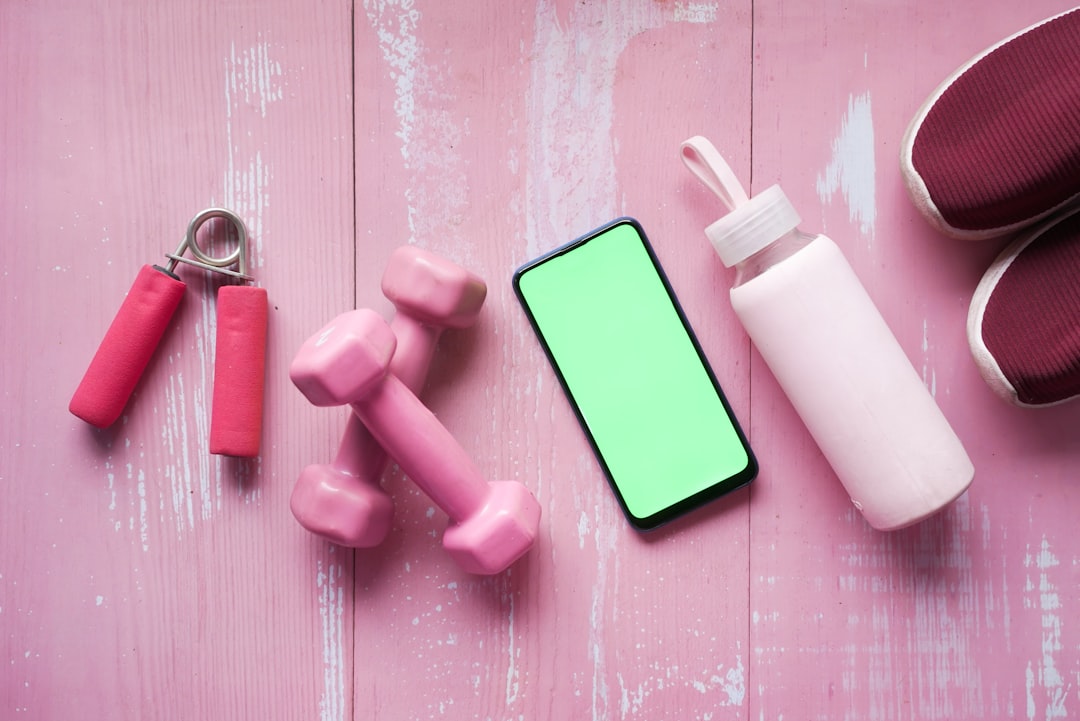
I used to think a real workout required a real gym. You know the kind — twenty thousand square feet of chrome machines, rows of dumbbells stacked from five to a hundred pounds, a dedicated kettlebell zone, a cable crossover station that could anchor a ship. I trained in places like that for fifteen years. And I loved it. But the monthly cost was bleeding me dry, and more importantly, I was spending forty minutes round-trip just getting there and back.
Then my schedule got chaotic. Coaching clients back-to-back, writing deadlines stacking up, volunteer mornings at the YMCA. I kept skipping sessions. Not because I lost motivation — because I couldn’t justify the drive for a forty-minute workout. Something had to change. So my team and I made a decision: build a complete training setup at home using only equipment that serves multiple purposes. No single-use machines. No decorative gear. Every item had to earn its square footage.
We called it the modular experiment. And six months in, I can tell you it has fundamentally changed how I think about strength training.
The Philosophy Behind Modular Training
Modular training is exactly what it sounds like. Instead of buying a fixed machine that does one movement — a leg press, a lat pulldown, a chest fly — you invest in tools that adapt to dozens of exercises. One adjustable dumbbell replaces an entire rack. One suspension trainer replaces a cable machine. One adjustable kettlebell gives you swings, goblet squats, Turkish get-ups, and presses without needing six different bells on your floor.
The beauty is in the compression. When I audited what I actually used at my commercial gym, the list was shockingly short: dumbbells, a bench, a kettlebell, some bands, and a pull-up bar. That was maybe 90% of my training volume. The leg press machine? Once a month. The cable crossover? Hardly ever. I was paying for access to equipment I barely touched.
If you’re starting from scratch or thinking about what to buy first for a home gym, modular thinking is the fastest way to get a complete setup without wasting money on gear that collects dust.
Tool One: Adjustable Dumbbells — The Foundation
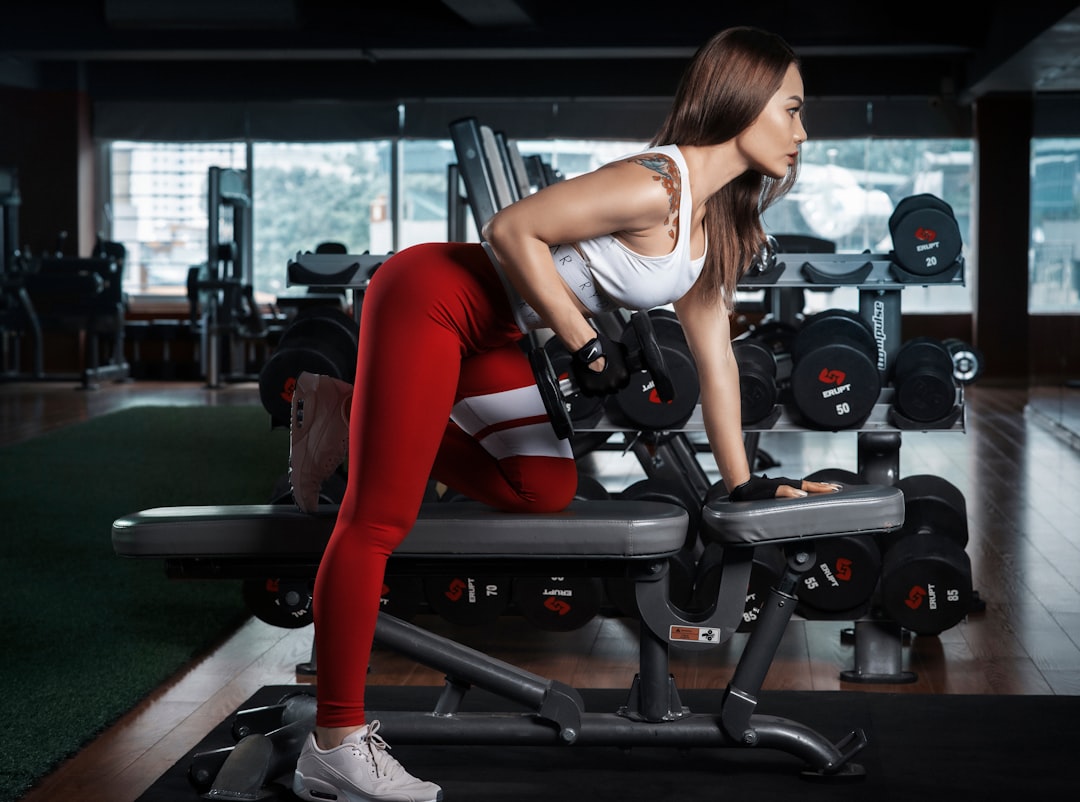
I’ll say this plainly: adjustable dumbbells are the single most important piece of home fitness equipment you can own. They are the cornerstone of any modular setup. A good pair replaces an entire rack of fixed dumbbells — I’m talking fifteen to twenty pairs — while taking up less space than a shoebox.
The team tested several options over the past year. The BowFlex Results Series 552 SelectTech Dumbbells remain the gold standard for most people. Each dumbbell adjusts from 5 to 52.5 pounds with a simple dial, and the adjustment takes about three seconds. I’ve dropped mine, knocked them against benches, and left them in a hot garage. They still perform flawlessly.
If you want something with even more range, the TAYATUO Adjustable 50LB Pair offers a dial system that goes up to 50 pounds per hand with a quick-change mechanism that feels nearly as fast as the BowFlex. The anti-roll design is a thoughtful touch — I’ve accidentally kicked mine more times than I’d like to admit.
For lifters who want a do-it-all system, the FDS1 5-in-1 Adjustable Dumbbell Set is fascinating. It converts from dumbbells to a barbell, kettlebell, and push-up stand. That’s an entire gym in one compact footprint. My assistant tested this for six weeks and was genuinely impressed by how stable it felt across all configurations.
And for those who want precision without complexity, the 2026 Upgrade Adjustable Dumbbell with its one-hand quick-dial and 3-6 pound increments hits a sweet spot for progressive overload without the clunky adjustment mechanisms of older models.
Tool Two: The Adjustable Kettlebell — Swing, Press, Carry
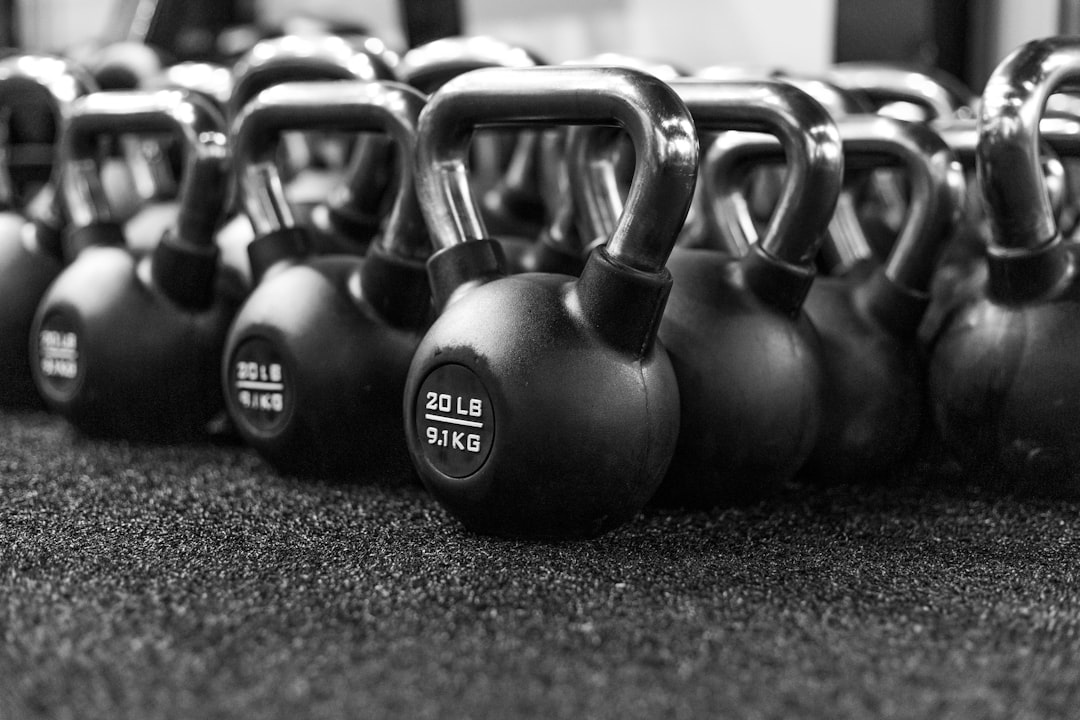
Kettlebell training changed my athleticism more than any other tool. The ballistic power, the grip demands, the core engagement — nothing else replicates it. But traditional kettlebells are a storage nightmare. You need an 18-pounder for warm-ups, a 35-pounder for swings, a 53-pounder for presses. That’s three hunks of iron taking up half your floor.
An adjustable kettlebell solves this beautifully. After testing several, I keep coming back to the BowFlex SelectTech 840 Adjustable Kettlebell. It adjusts from 8 to 40 pounds with a dial — same mechanism as their dumbbells — and the handle is wide enough for two-handed swings. It replaced three kettlebells in my setup.
The key thing with adjustable kettlebells is the feel. A traditional competition bell has a specific weight distribution that’s hard to replicate when the weight is shifting around inside a shell. But for 90% of your training — swings, goblet squats, cleans, presses — the difference is negligible. I notice it most on high-rep snatch sets, where the micro-movements of the internal weight can throw your timing slightly. For everything else, it’s a non-issue.
Tool Three: A Suspension Trainer — Your Portable Cable Machine
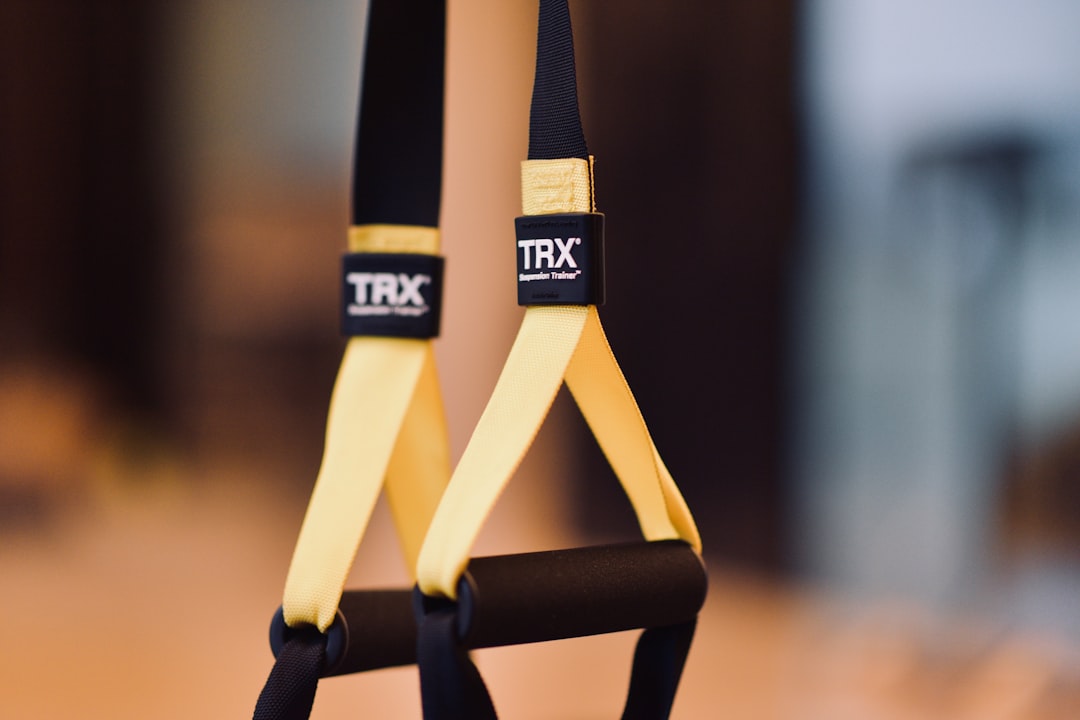
Here’s what most people don’t realize: a suspension trainer can replace nearly every cable machine exercise in a commercial gym. Rows, chest presses, flyes, face pulls, curls, tricep extensions, core work — all done with your own bodyweight as resistance. And the entire thing weighs under two pounds.
I’ve been using the TRX All-In-One Home Gym System for over a year now, and it has earned permanent real estate in my training bag. The build quality is outstanding — industrial-grade nylon straps, a bombproof carabiner, and a door anchor that I trust completely despite my initial skepticism. The system includes both indoor and outdoor anchors, so I can set it up in my living room, take it to the park, or loop it over a sturdy branch when I want to train outside.
What makes suspension training so valuable for a modular setup is the scalability. Want it harder? Step back. Want it easier? Step forward. No weight changes, no pins to move. The learning curve is short — most people get comfortable with the basic movements in two or three sessions. And if you’ve already started building a training corner like I wrote about recently, a suspension trainer is the perfect first add-on.
Tool Four: The Folding Bench — Platform for Everything
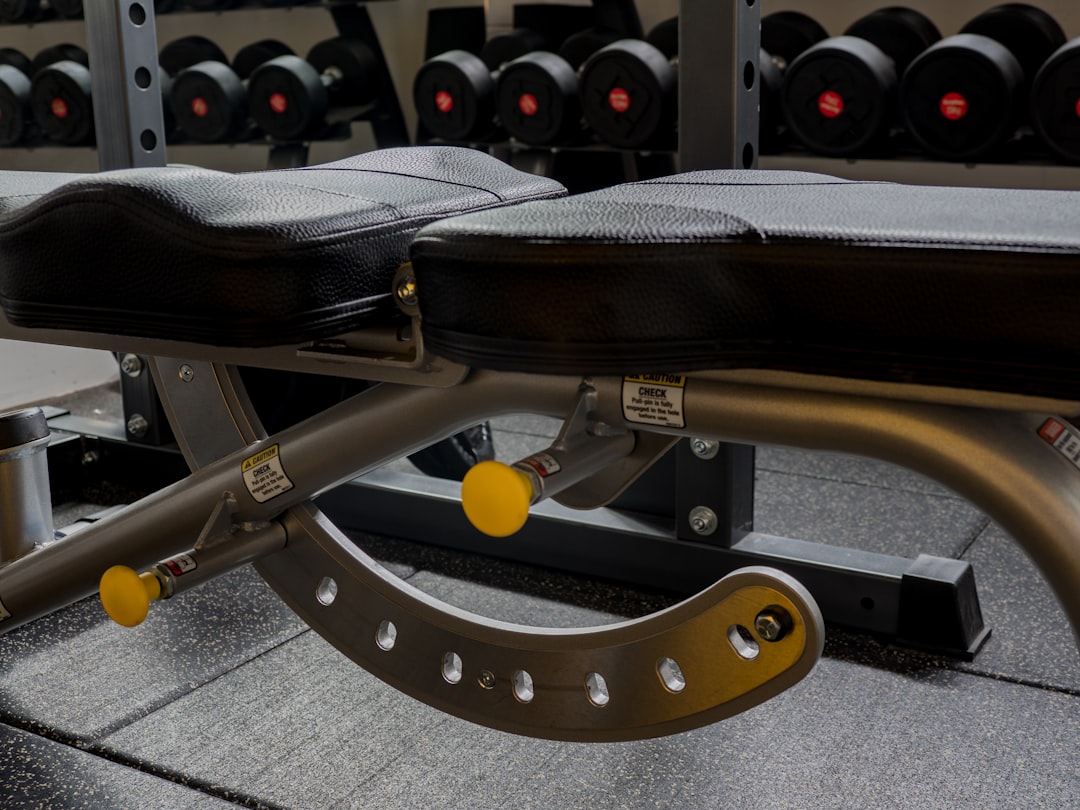
You can do a lot from the floor. But once you want to bench press, do seated overhead presses, incline work, or supported rows, you need a bench. The good news: modern folding benches collapse to the size of a large briefcase and slide under a bed or behind a door.
After testing four models, the YOLEO Adjustable Weight Bench is the one I recommend most. It holds 827 pounds (ASTM-certified), arrived 98% pre-assembled, and offers 84 adjustment positions from decline to full vertical. The seat is wide enough for heavy pressing without being so wide that it gets in the way during dumbbell rows.
If budget is tighter, the FLYBIRD WB5 Weight Bench is nearly identical in function — 800-pound capacity, 90-degree to negative-30-degree range — for about thirty percent less. My coaching colleague uses hers daily and reports zero wobble after eight months of heavy use.
Either way, look for two things: a built-in transport wheel and a pull-pin adjustment system. If changing incline requires a tool or more than five seconds, you won’t use it. Convenience is the entire point.
Tool Five: Resistance Bands — Warm-Up, Accessory, Travel
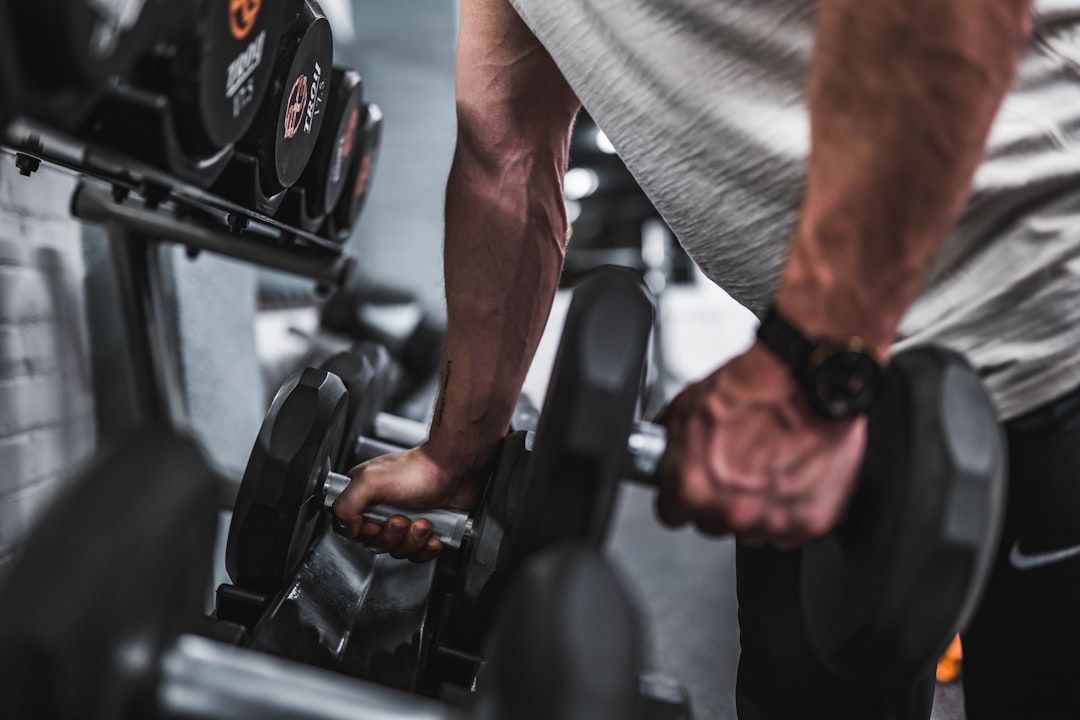
I’ll be honest — for years, I dismissed resistance bands as physical therapy tools. Not real training. That was arrogant and wrong. Once I started incorporating them for warm-up activation, mobility work, and accessory exercises, my performance improved measurably. My shoulder health alone took a noticeable jump.
A quality set like the WHATAFIT Resistance Bands with handles gives you five resistance levels, door anchor, and ankle straps for under $35. That’s less than a single physical therapy copay. My team uses them for glute activation before squats, face pulls between pressing sets, and lateral band walks to warm up the hips. I’ve written a complete resistance bands guide if you want to go deeper on which sets are worth your money.
The travel application is underrated. Bands take up zero space in a suitcase. When I’m on the road for coaching conferences, twenty minutes of band work in a hotel room keeps my joints happy and my muscles engaged. It’s not a replacement for heavy lifting, but it bridges the gap beautifully.
The Sixth Tool I Didn’t Expect to Love: Smart Jump Rope
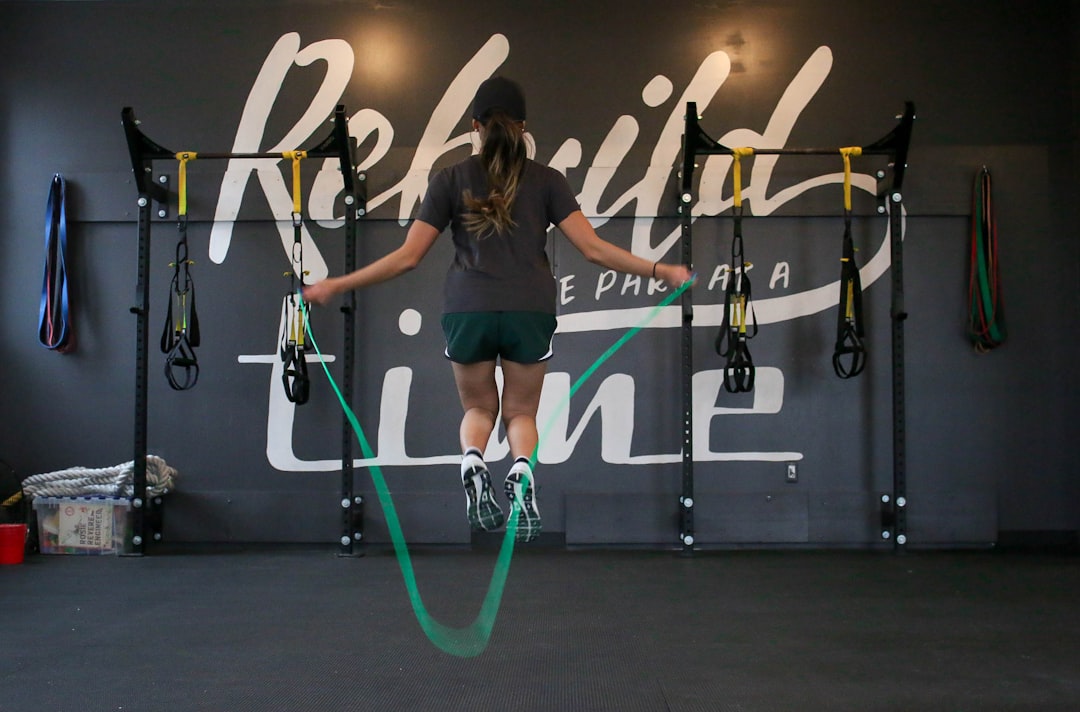
Cardio in a small space is the hardest puzzle. Treadmills are massive. Rowing machines are expensive. And while I love my walking pad, it doesn’t deliver the high-intensity intervals that build explosive power and torch calories efficiently.
Enter the RENPHO Smart Jump Rope. It tracks jump count, time, and calories through a companion app. It has a cordless mode (weighted balls instead of a rope) for when ceiling height is an issue. And a ten-minute interval session will absolutely demolish you — I was humbled the first time I tried to do five rounds of two-minute jumps with thirty seconds rest.
The beauty of a jump rope in a modular setup is the zero footprint. It lives in a drawer. You take it out, train for fifteen minutes, and put it back. No dedicated space. No power cord. No maintenance. For under $25, it might be the best cardio dollar you ever spend.
What This Setup Actually Costs (And What It Replaced)
Let me break down the math, because the economics are genuinely staggering. My old commercial gym membership was $89 per month. Over a year, that’s $1,068. Add the gas, the time, the occasional personal training session, and we’re easily at $1,500 annually.
Here’s what my complete modular setup cost:
- Adjustable dumbbells (pair): ~$300-500
- Adjustable kettlebell: ~$150-200
- Suspension trainer: ~$150-200
- Folding bench: ~$130-180
- Resistance bands with handles: ~$35
- Smart jump rope: ~$25
Total: roughly $790 to $1,140 depending on which tier of each product you choose. That’s less than one year of gym dues. And unlike a membership, you own this equipment forever. No renewal fees. No annual price hikes. No crowded January rush.
After two months of membership savings, the setup paid for itself. Everything after that is pure savings — or money redirected toward things like better food, recovery tools, or race entry fees.
The Workout Possibilities Are Endless
People sometimes ask if a modular setup can really deliver results comparable to a full gym. My answer: it depends on your goals. If you’re a competitive powerlifter chasing a 600-pound deadlift, you need a barbell and heavy plates. Full stop. But for 90% of adults who want to build strength, stay lean, move well, and feel athletic — this setup is more than sufficient.
Here’s a sample training week using only these six tools:
- Monday (Upper Body Push): Dumbbell bench press (flat and incline), overhead press from the bench, suspension trainer chest press and flyes, band push-downs for triceps
- Tuesday (Lower Body): Kettlebell goblet squats, dumbbell Romanian deadlifts, suspension trainer pistol squat progressions, band lateral walks, jump rope intervals
- Wednesday (Recovery/Mobility): Band-assisted stretching, suspension trainer face pulls, light kettlebell swings
- Thursday (Upper Body Pull): Dumbbell rows from the bench, suspension trainer rows (various grips), band face pulls, banded curls
- Friday (Full-Body Conditioning): Kettlebell swings and cleans, dumbbell complexes, jump rope intervals, band finishers
That’s a comprehensive, progressive training program using six pieces of equipment. No machine required. No waiting for equipment. No commute.
The One Lesson I Want You to Take Away
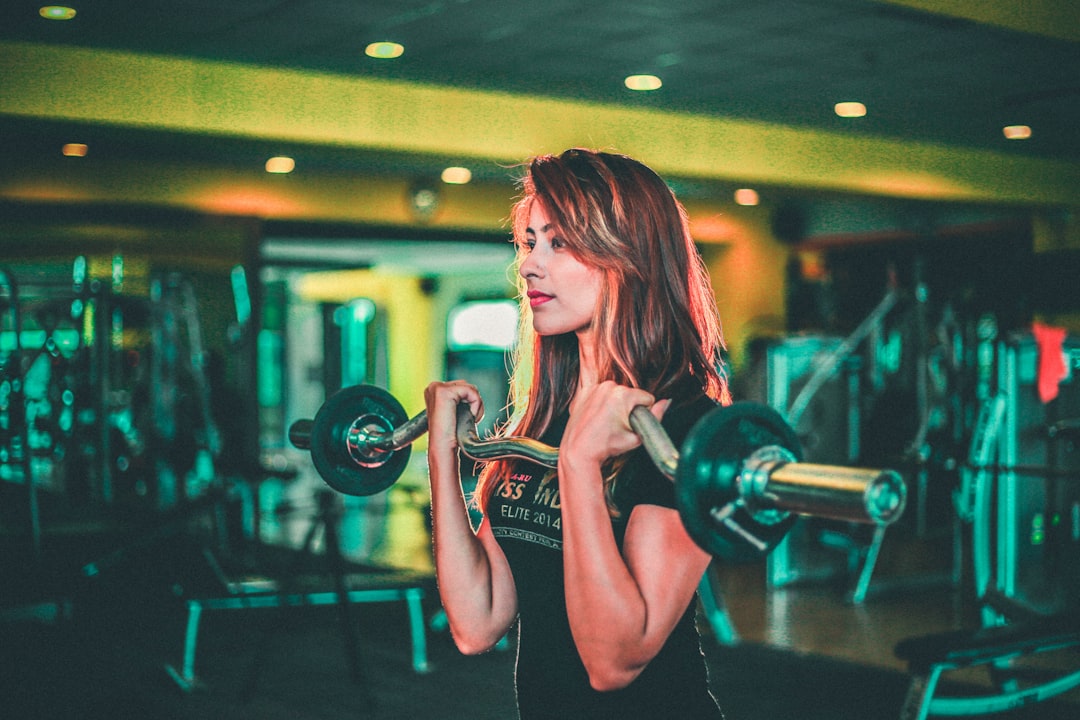
After two decades in fitness — competing, coaching, testing every gadget and trend — the biggest insight I can offer is this: consistency beats equipment every single time. The person who trains three times a week with a pair of adjustable dumbbells and a suspension trainer will outperform the person with a $50,000 home gym who uses it twice a month.
Modular training works because it removes barriers. No drive. No line for the squat rack. No one judging your form. You walk ten feet to your training corner, pick up your tools, and get to work. The friction between wanting to train and actually training drops to almost zero.
If you’re wondering whether one piece of equipment can change your training life, the answer is yes. But five or six carefully chosen tools can change your entire relationship with fitness.
Start with adjustable dumbbells. Add a bench. Then layer in the rest as budget allows. Before you know it, you’ll have a complete gym that fits in a closet — and you’ll wonder why you ever paid a monthly fee to train somewhere else.



2 Comments on “The Modular Home Gym: How Six Tools Replaced My $1,500 Gym Membership”