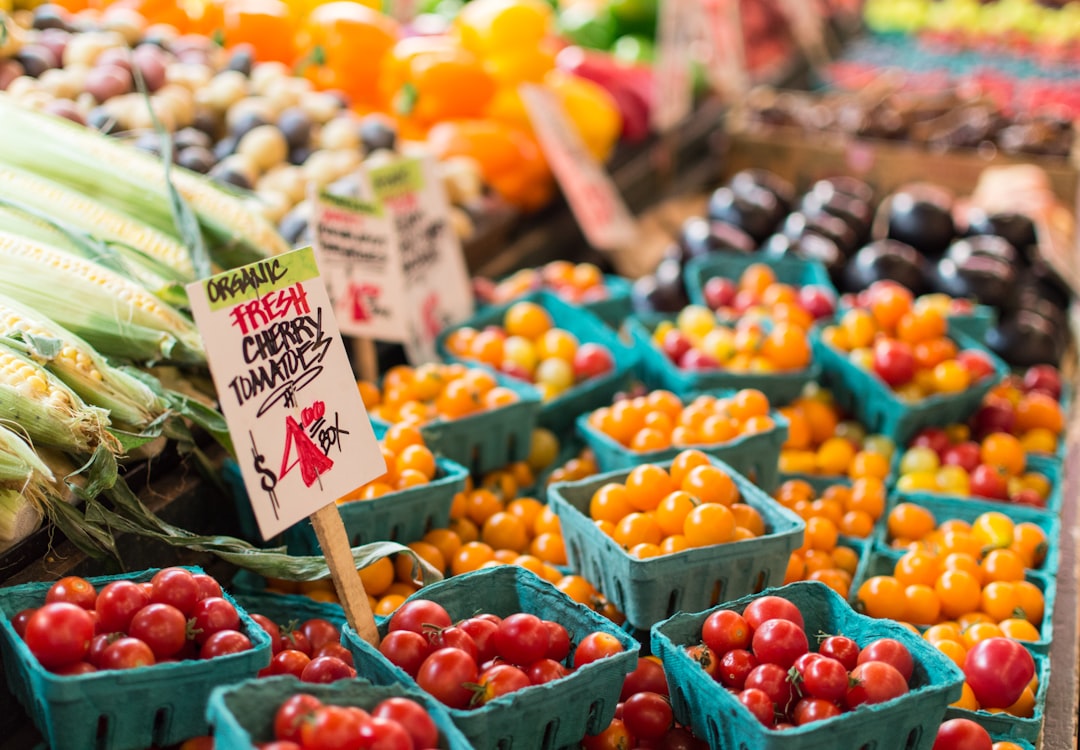
Every August, something happens that most athletes completely sleep on. The farmers markets explode. Not the modest stalls of June or the picked-over tables of October — I mean the real, bursting-at-the-seams, can’t-carry-it-all harvest that makes produce managers nervous about shelf space. Tomatoes so ripe they barely hold their shape. Peaches that drip down your forearm. Corn, zucchini, bell peppers, berries, basil, eggplant — all hitting peak nutrition at the exact moment your training cycle needs it most.
I spent years treating food as fuel without thinking about when that fuel was at its best. Protein powder, electrolyte mix, the same rotation of chicken and rice. It worked fine. But five summers ago, my coaching team and I decided to rebuild my entire nutrition plan around what was actually growing within fifty miles of my kitchen. The results changed how I eat year-round.
Why August Produce Outperforms Everything in Your Supplement Drawer
Here’s the thing nobody tells you about seasonal eating: the nutrient density of a tomato picked from vine-ripened August soil is categorically different from the gas-ripened sphere you buy in February. And I’m not just talking about flavor. Studies on polyphenol content in seasonal produce consistently show that fruits and vegetables allowed to ripen naturally — in season, in real sunlight — contain significantly higher levels of antioxidants, vitamins, and minerals than their out-of-season counterparts.
When my team started tracking my micronutrient intake against my training output, the correlation was almost embarrassingly obvious. During the weeks I ate high volumes of fresh, in-season produce, my recovery markers improved. My HRV ticked up. My sleep scores were more consistent. The only variable that changed was the food on my plate.
August is special because it bridges the gap. You still have the tail end of summer berries and stone fruits, but you also get the first wave of heartier harvest — squash, late-season greens, root vegetables starting to sweeten. It’s the one month where you can build a complete athletic nutrition protocol without relying on a single imported ingredient.
The Five Staples I Load Up On Every August
I’ve refined this list over years of experimenting, and these five categories form the backbone of my late-summer training fuel:
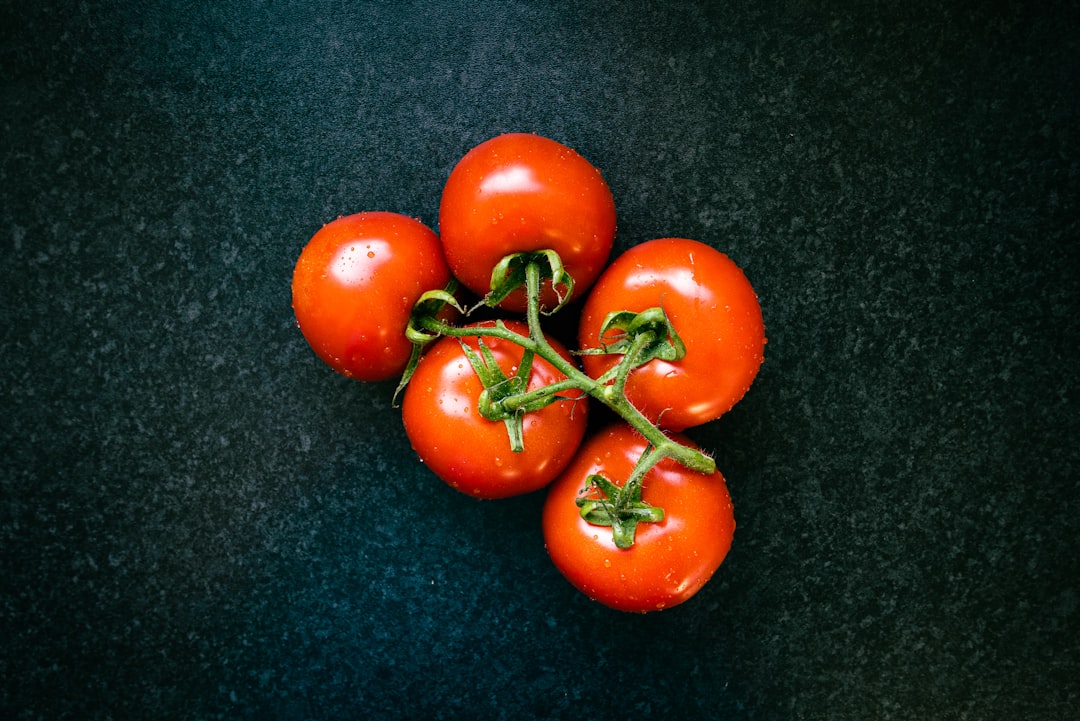
1. Tomatoes and Bell Peppers — The Recovery Duo
Vitamin C content in August tomatoes is roughly double what you’ll find in January grocery store specimens. That matters more than most people realize. Vitamin C is essential for collagen synthesis — the process your body uses to repair tendons, ligaments, and connective tissue after hard training sessions. Bell peppers, especially the red and orange varieties hitting markets right now, pack even more.
I dice them raw into salads, roast them in large batches with olive oil and sea salt, or blend them into a post-workout gazpacho that tastes like summer in a glass. My team turned me onto adding a solid scoop of unflavored collagen peptides to savory dishes like roasted pepper soup — it dissolves completely and adds the amino acids your joints are begging for after heavy squat days.
2. Stone Fruits — Nature’s Energy Gels
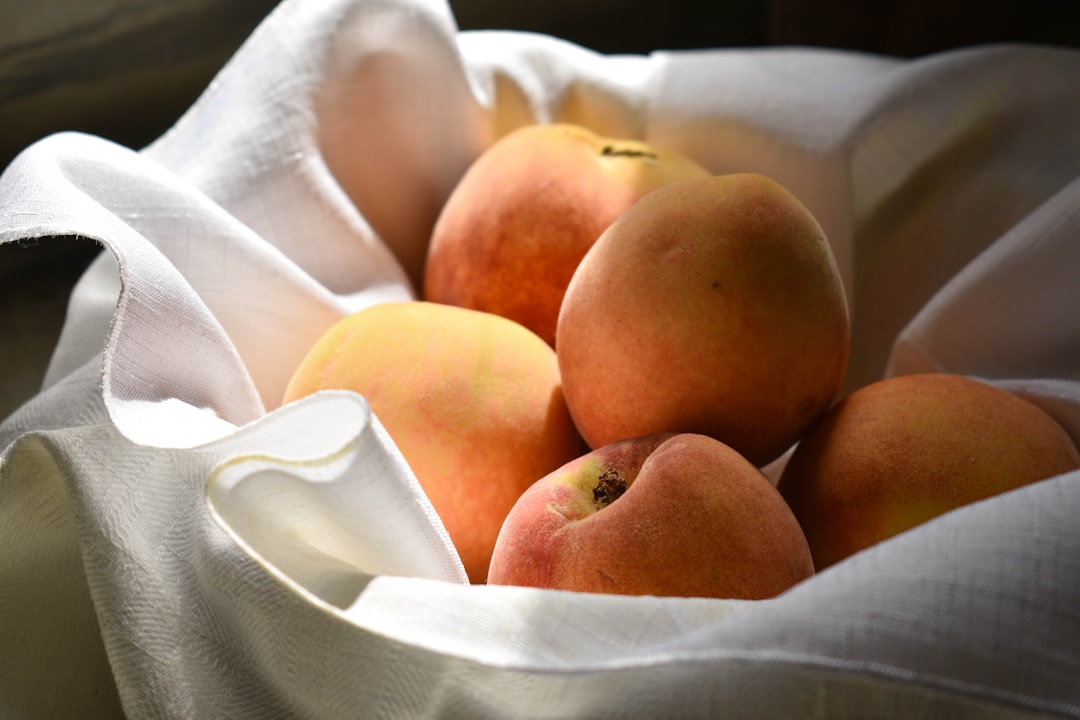
Peaches, nectarines, and plums are the most underrated pre-workout food in existence. A medium peach delivers about 15 grams of quickly digestible carbohydrates, plus a healthy dose of potassium — roughly the same electrolyte profile as a gel packet, but with fiber, antioxidants, and zero weird aftertaste. I eat one thirty minutes before interval sessions and the energy release is noticeably smoother than anything I’ve gotten from a packaged product.
The trick is buying them slightly firm and letting them ripen on your counter for two to three days. If you’re buying for the whole week, grab a mix of ready-to-eat and not-quite-there fruit so you have a rolling supply. I keep mine in a proper insulated market bag for the drive home — August car interiors will cook delicate fruit faster than you’d believe.
3. Zucchini and Summer Squash — The Volume Vegetables
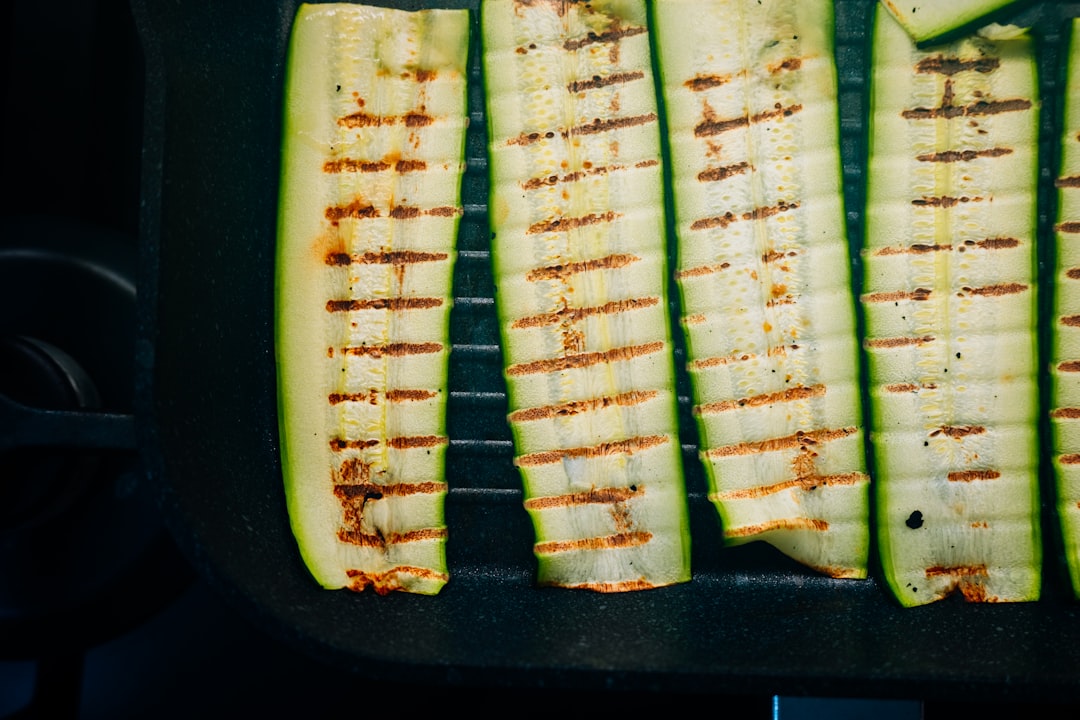
When you’re training hard and eating in a caloric range that supports performance, hunger becomes a real logistical challenge. Zucchini is the answer. At roughly 20 calories per cup, it lets you eat enormous portions of food without blowing past your daily targets. I spiralize it into noodles, grill it in planks, shred it into muffin batter, and roast it by the sheet pan.
But here’s where it gets interesting for athletes: zucchini is surprisingly rich in manganese, a trace mineral that plays a critical role in bone formation and recovery. Most people are walking around mildly deficient without knowing it. When I started loading up on summer squash during heavy training blocks, the nagging shin soreness I’d carried for months quietly disappeared. Could be coincidence. Could be the six cups of vegetables I was eating daily.
4. Berries — The Anti-Inflammatory Arsenal
Blueberries, blackberries, and raspberries are still going strong in early August, and they are quite possibly the most performance-relevant fruit you can eat. The anthocyanins that give berries their deep color are potent anti-inflammatory compounds that work at the cellular level to reduce exercise-induced muscle damage. The research here is robust — athletes who consume berries before and after intense training show measurably lower markers of oxidative stress.
I buy them in bulk at the market, freeze what I can’t eat fresh, and work through the frozen stash all fall. A morning smoothie with a cup of frozen blueberries, a scoop of clean whey protein, a handful of spinach, and almond milk is my non-negotiable training-day breakfast. If you’re someone who struggles with post-workout inflammation, adding berries to your daily rotation is one of the highest-ROI changes you can make.
5. Fresh Herbs — The Overlooked Powerhouses
Basil, cilantro, parsley, and mint are growing like weeds right now, and most people treat them as garnish. Big mistake. Fresh herbs are among the most concentrated sources of antioxidants in the entire produce kingdom. A half-cup of chopped parsley has more vitamin K than a cup of kale. Basil contains eugenol, a compound with documented anti-inflammatory properties. Mint aids digestion and can soothe the GI distress that plagues endurance athletes.
I buy massive bundles at the market and use them like vegetables — blended into sauces, chopped generously over every plate, muddled into post-workout electrolyte drinks. When I wrote about rebuilding my daily fiber intake, fresh herbs were the secret weapon that made high-fiber meals actually taste good.
The Kitchen Setup That Makes Harvest Eating Effortless
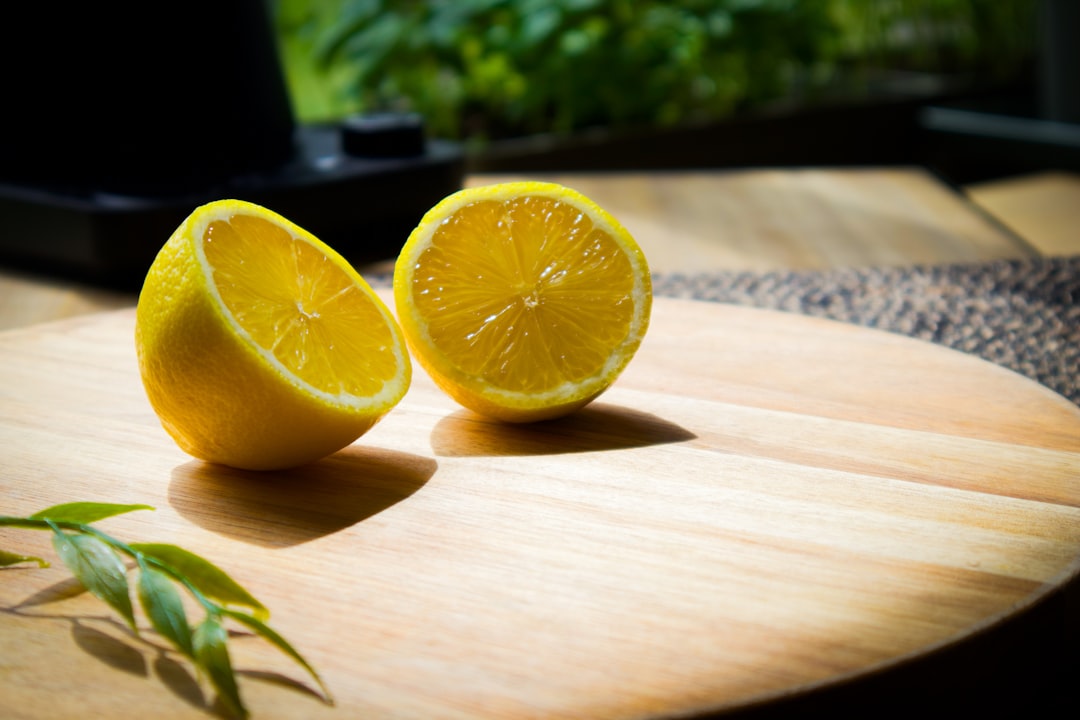
Eating this way requires exactly zero fancy equipment, but a few smart tools will save you hours every week. After years of testing, here’s what my team and I have settled on:
A blender that actually handles frozen fruit. Cheap blenders turn frozen berries into a lumpy mess. I use a high-speed model with enough torque to pulverize frozen peaches, kale stems, and ice without straining. If your daily smoothie takes three minutes of stopping and stirring, you won’t keep the habit. A blender that works on the first pass removes the friction.
Glass containers that don’t leak. When you’re roasting three pounds of vegetables on Sunday, you need somewhere to put them. I switched to glass meal prep containers with locking lids two years ago and never looked back. They don’t absorb odors, they go straight from fridge to microwave, and you can see exactly what’s inside without opening anything. Prep once on Sunday, eat well through Thursday.
A digital food scale. I know, I know — weighing your food sounds tedious. But when you’re trying to hit specific protein and carbohydrate targets around training, a compact kitchen scale takes the guesswork out of portioning. After about two weeks, you develop an accurate eye and barely need it. But during the learning phase, it’s invaluable.
A ceramic nonstick skillet. August cooking should be fast, light, and require minimal cleanup. A PFAS-free ceramic pan lets you sear vegetables, scramble eggs, and flash-fry greens with almost no oil and zero sticking. I use mine twice a day during harvest season — quick blistered tomatoes for breakfast, sauteed zucchini for dinner. Thirty seconds to wash.
The Sunday Harvest Prep Protocol
Here’s the system that keeps me fed all week without thinking about it. Every Sunday morning, I hit the farmers market early, come home, and spend ninety minutes prepping. This is the single habit that makes seasonal eating sustainable for someone who trains hard and works full days.
Step one: Wash and dry everything. Greens get soaked and spun. Berries get a vinegar-water bath (one part white vinegar to three parts water) that extends their fridge life by nearly a week. Stone fruits sit on the counter to finish ripening.
Step two: Roast a massive sheet pan of vegetables. Zucchini, bell peppers, onions, tomatoes — tossed in olive oil, salt, and pepper, then roasted at 425 degrees for thirty minutes. This becomes the base for grain bowls, wraps, and dinner sides all week.
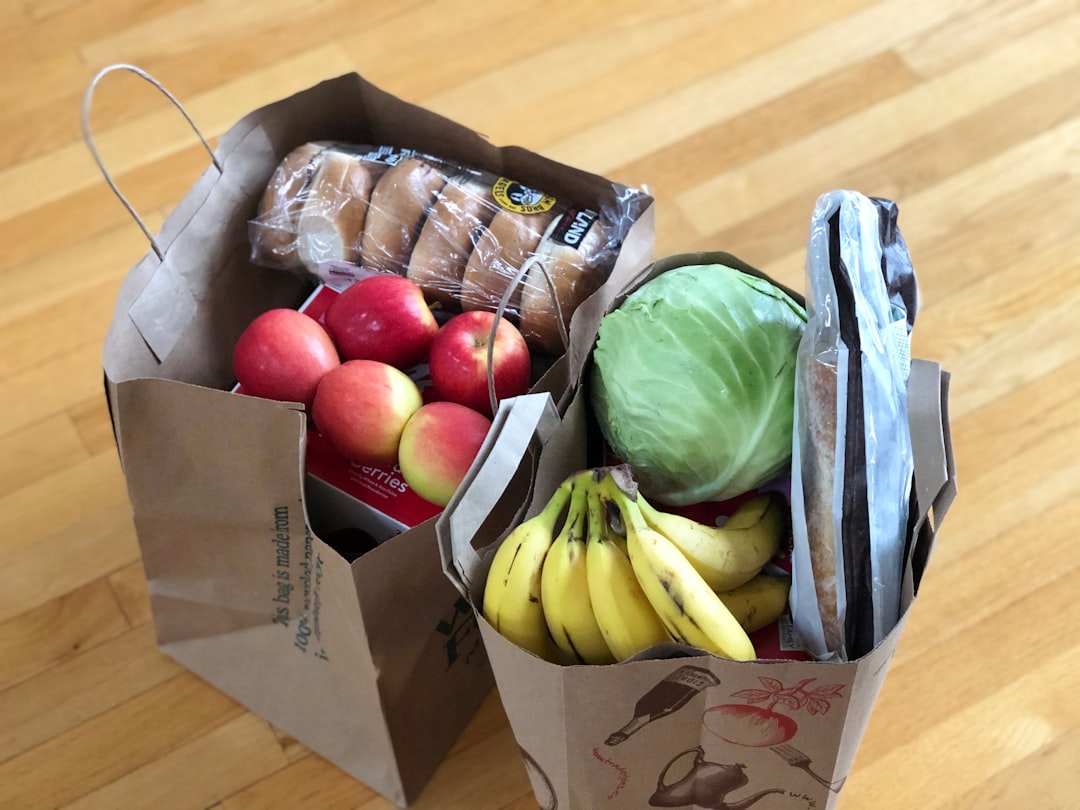
Step three: Blend and freeze smoothie packs. I portion frozen berries, spinach, and half a banana into individual containers. Each morning, I dump one into the blender with protein powder and liquid. Ninety seconds to a complete meal.
Step four: Make one big batch of something. Usually a vegetable-heavy soup, a grain salad, or a protein-rich dish that I can portion into those glass containers. If you’re also working on resetting your fitness habits this month, having ready-to-eat meals is what prevents the 3 PM “I’m too tired to cook” takeout spiral.
The Performance Smoothie I’m Obsessed With Right Now
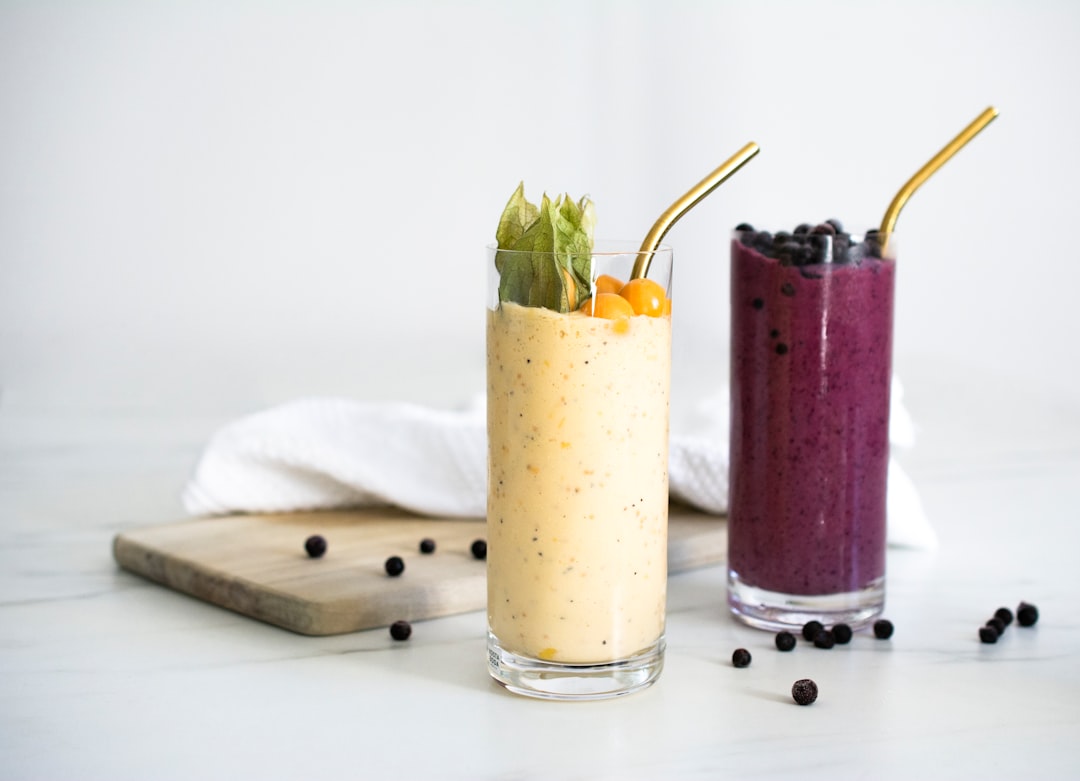
I’m not going to give you a recipe — I’m going to give you a formula, because the whole point of seasonal eating is using what’s available. Here’s the framework:
- Liquid base: 12 oz unsweetened almond milk or coconut water (coconut water adds potassium and natural electrolytes — great for replacing that overpriced pre-workout)
- Protein: One scoop of a clean whey isolate or plant-based equivalent. I rotate between Levels grass-fed whey for workouts days and Transparent Labs isolate when I want something lighter
- Frozen fruit: One cup of whatever berries or stone fruit you prepped. August’s frozen peaches and blueberries are my current go-to
- Greens: One large handful of fresh spinach or kale — you genuinely cannot taste it once blended
- Recovery booster: One tablespoon of unflavored collagen peptides for connective tissue support
- Electrolyte insurance: A pinch of sea salt or a quarter-scoop of a clean electrolyte powder if you sweat heavily
Blend until smooth. Drink within thirty minutes of finishing your session. This combination hits the protein window, replenishes glycogen with real fruit sugar, floods your system with antioxidants, and supports joint repair — all from ingredients that grew within driving distance of your house.
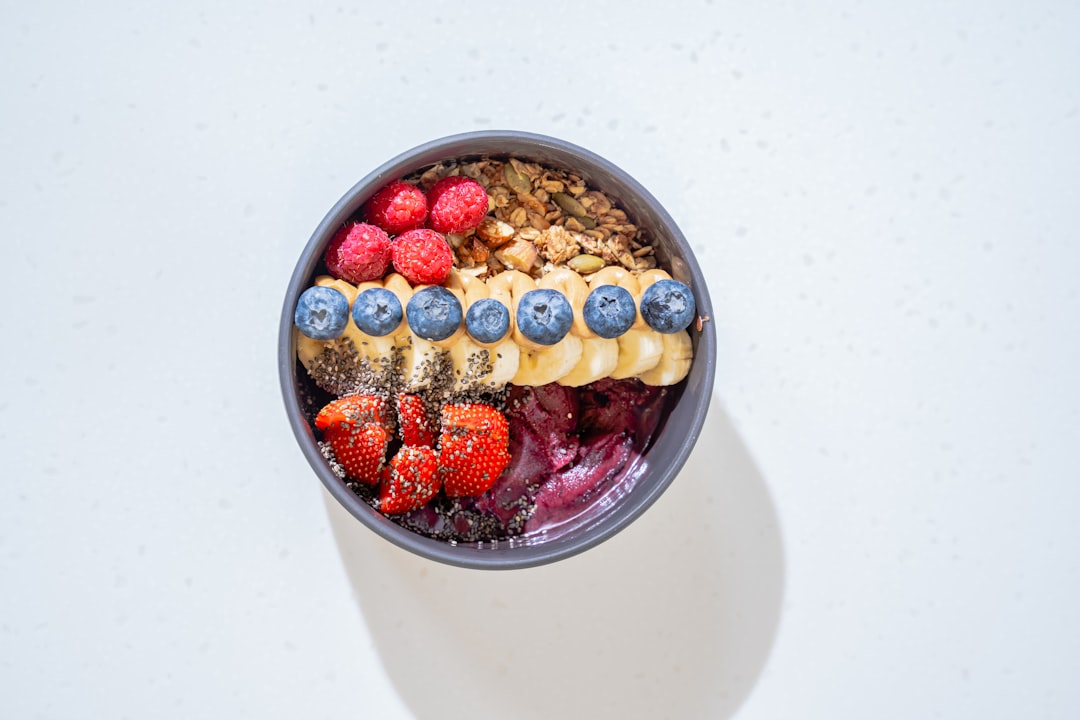
What This Actually Looks Like in a Training Day
People always ask me what a day of harvest-fueled eating looks like in practice. Here’s a real training day from last August, lightly annotated:
6:00 AM — Pre-workout: One ripe peach, black coffee. The simple sugars from the peach hit my bloodstream right as I start my warmup. Twenty grams of carbs, zero GI distress, and it tastes like dessert.
8:30 AM — Post-workout smoothie: The formula above. Roughly 35 grams of protein, 45 grams of carbs, minimal fat. My body absorbs it like a sponge after a hard session.
12:30 PM — Lunch: A massive grain bowl — roasted August vegetables over quinoa, leftover grilled chicken, fresh basil, a squeeze of lemon, olive oil. I use the glass containers from my Sunday prep so this assembles in two minutes.
4:00 PM — Snack: Fresh berries with a handful of almonds, or sliced tomatoes with mozzarella and fresh basil. Light, refreshing, doesn’t sit heavy before evening activities.
7:00 PM — Dinner: Grilled zucchini and summer squash, a piece of wild-caught fish or pastured chicken, a big salad with fresh herbs. Cooking the vegetables in my ceramic skillet takes about four minutes.
9:00 PM — Recovery: Herbal tea with a small spoonful of collagen. I sleep better when I’m not eating heavy meals late, and the glycine in collagen supports sleep quality.
The Window Is Closing — And That’s the Point
Here’s what I’ve learned from years of eating this way: the temporary nature of seasonal produce is exactly what makes it powerful. When tomatoes are this good, you eat them every day. When peaches are this ripe, you can’t get enough. The built-in scarcity of harvest season naturally creates a pattern of eating more plants, more variety, more nutrients — without willpower or discipline.
If you’re also building your fall training base right now, the fuel you choose in these next six weeks directly impacts the work you can do in September and October. The fields are doing the hard part for you. All you have to do is show up to the market.
Go this weekend. Buy more than you think you need. Prep it on Sunday. Eat it all week. Your training will tell the story.