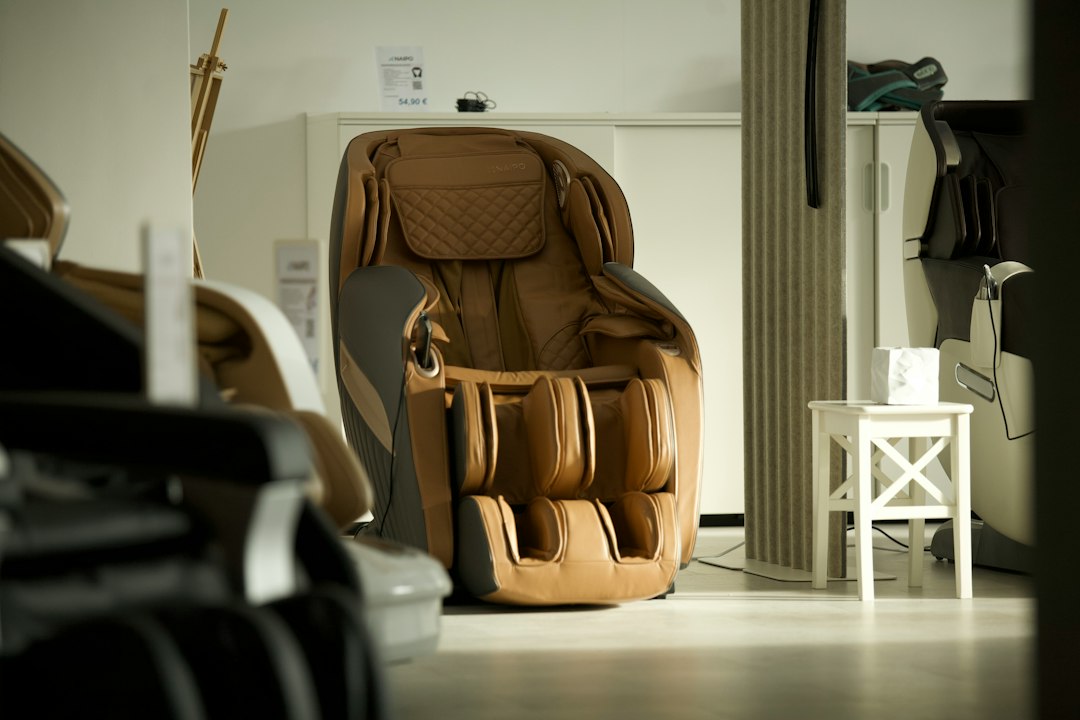
Every October, without fail, at least three clients corner me after a session and ask the same question: “Should I buy a massage chair?” The holidays are coming, their backs are stiff from desk jobs and school pickups, and the deal emails start landing the moment the calendar flips. This year, my team and I decided to stop guessing at answers. We borrowed two chairs, bought one for the studio at a deep discount, and put every model we could reasonably get our hands on through sixty days of post-workout, post-travel, post-everything testing.
What follows is the guide I now hand to anyone considering the leap — especially with Amazon’s Big Deal Days landing October 6–7. Massage chairs are one of the few big-ticket wellness purchases that genuinely dip in price during that window, and a little preparation goes a long way toward not wasting four figures on a fancy coat rack.
Why October Is the Month This Purchase Finally Makes Sense
I coach people to buy gear in the offseason, and chairs are no different. Retailers know that massage chairs are gift-season items, so they hold prices high through spring and summer, then cut aggressively in early fall to move inventory before the holidays. Big Deal Days is the first real salvo of that cycle — and it’s exclusive to Prime members, so if you’ve been on the fence about a membership, this is the week it pays for itself in a single purchase. Free delivery on a 250-pound crate matters more than free delivery on a phone case.
My strategy with clients is simple. Research now, bookmark the specific models that fit your body and budget, and pull the trigger when prices drop. Panic-buying a chair at 11:58 p.m. on deal night is how people end up with rollers that stop at their shoulder blades.
Rollers: Decoding 2D, 3D, and 4D Before You Spend a Dime

Roller dimension is the single most important spec on the spec sheet, and the naming is deliberately confusing. A 2D roller moves up and down and side to side — fine for a gentle rub, but it can’t press deeper into a knot than into the muscle beside it. A 3D roller adds forward pressure, meaning the chair can actually push into your traps and rhomboids the way a therapist’s thumbs would. 4D adds speed and rhythm variation to that pressure, so strokes can slow and deepen rather than jackhammering at one tempo.
My honest take after sixty days: 3D is the sweet spot for most people. One of my coaches runs the Real Relax 2026 3D model in her home office, and it handles post-lifting shoulders better than chairs twice its price. 4D is lovely, but it’s a luxury, not a necessity — save the upgrade money unless you already know you love deep, slow work.
The Track Beneath You: S, L, and Why SL Won Me Over
The track is the rail the rollers travel along, and it decides how much of your body gets touched. An S-track follows the spine’s natural curve from neck to lower back. An L-track keeps going, curving under the seat to reach your glutes and hamstrings. An SL-track does both, and once I felt the difference on recovery days after hill sprints, there was no going back — my hips and glutes take as much of a beating as my back, and pretending otherwise is just marketing for chairs that quit at the belt line.
If you sit all day or run or lift regularly, insist on SL. The Real Relax SL-track zero gravity recliner is the value benchmark I point beginners toward; it covers neck to hamstrings without the four-figure premium. Budget chairs with plain S-tracks can still be fine for pure upper-back tension, but know exactly what you’re giving up.
Zero Gravity Isn’t Marketing Fluff — Body Scans Might Be

NASA-inspired zero gravity recline sounds like gimmick-speak, but mechanically it’s straightforward: the chair tilts you back so your thighs sit level with your heart, which spreads your weight across the seat and lets rollers work deeper without you bracing against them. My clients over 6’2″ and under 5’4″ both reported the same thing — the recline is what makes long sessions feel like a treatment rather than a ride.
Body scanning, meanwhile, is the feature the brochures oversell. A good scan maps shoulder height and adjusts the roller start position, which genuinely matters on chairs shared by two differently sized people. But a bad scan adds twenty seconds of humming before every session for no perceptible benefit. The FURNIMAT full-body zero gravity recliner and the VireoNest with its ten-point roller system both handle the basics well; just don’t pay a premium for scan tech on a chair under $1,500, because that’s usually where it’s most decorative.
Airbags, Heat, and the Foot Rollers Nobody Warns You About

Airbags are the squeeze. They inflate around your calves, arms, and hips to mimic compression therapy — and as someone who lived in recovery compression boots for a season, I can tell you the chair versions are gentler but real. Lumbar heat is the quiet overperformer: it turns a twenty-minute session into something that actually loosens a stiff lower back, and I’d trade almost any flashy feature to keep it.
Then there are foot rollers. Some chairs hide spinning cylinders under the soles that range from pleasant to borderline medieval. Test the intensity setting before you commit — or if footwork is your main complaint, a dedicated shiatsu foot massager with heat for a fraction of the price will out-perform the foot program on most mid-range chairs.
What Three Budgets Actually Buy
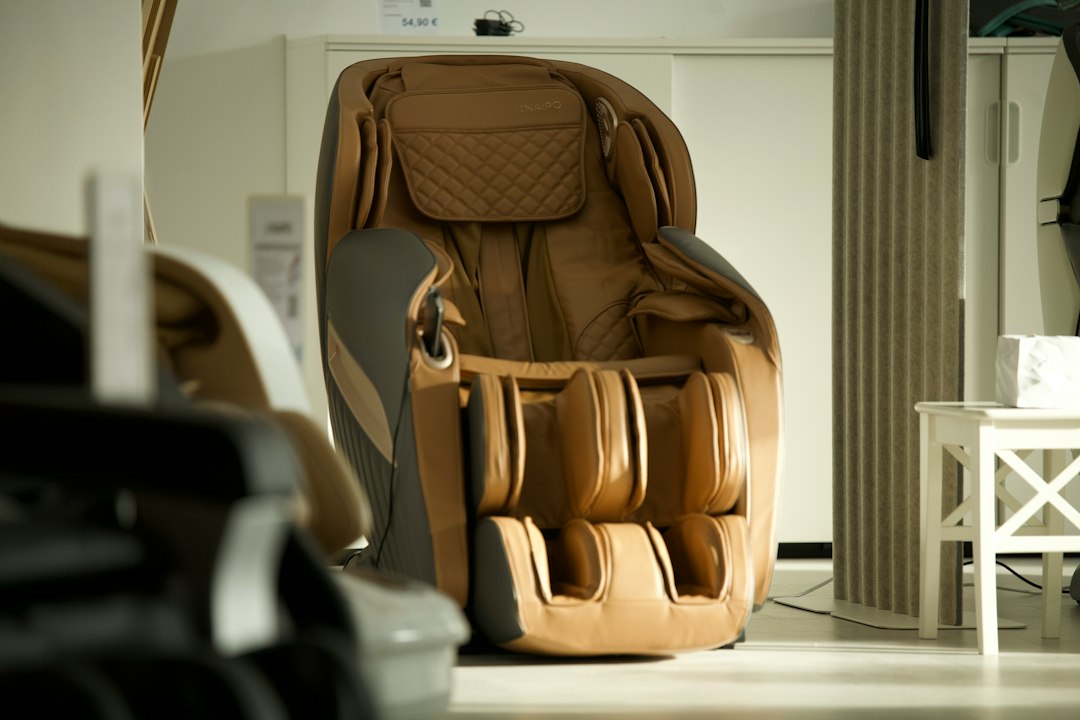
Under $1,000, you’re shopping for one job done well: solid 3D rollers, an SL-track if you can find it, heat, and skip the rest. Around $1,500–2,500 is where the experience gets genuinely good — stronger motors, better airbag placement, real foot programs. The 55-inch SL-track 4D chair my team tested in this tier became our studio workhorse. Above $3,000, you’re paying for polish: quieter mechanisms, premium upholstery, and programs that sequence techniques the way a therapist would. The Osaki OS-3D Champ II sits right at that line, and the Osaki Vibe 4D is the chair I’d put in my own living room if my studio budget allowed a second one.
One budget note from experience: the cheapest chair that meets your body’s actual needs beats the most expensive chair bought on impulse. I’ve watched a $700 chair get used daily while a $5,000 showpiece collected laundry.
When Your Floor Plan Says No: Chair-Free Alternatives That Genuinely Work
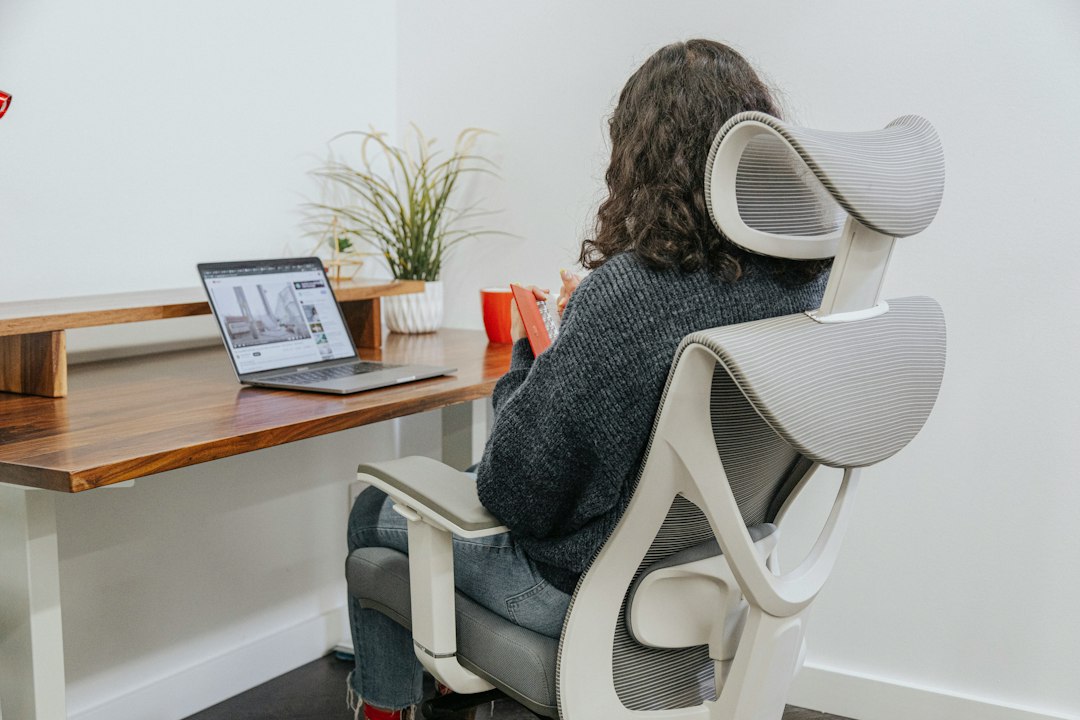
Not everyone has 250 pounds of floor space and a doorway wide enough to accept it. That’s not a consolation prize — for some people it’s the smarter buy. A shiatsu seat cushion like the Snailax with heat straps onto any office chair and handles commuter-back duty admirably; the comrelax cushion with eight rotating nodes is the one my desk-bound clients rave about most. For neck and shoulders, a Mo Cuishle shiatsu neck and shoulder massager costs less than two massages and lives in a desk drawer.
These aren’t equivalents to a full chair — the pressure and coverage aren’t comparable. But if eighty percent of your tension lives between your shoulder blades, spending $80 instead of $2,800 is not compromise. It’s math.
Delivery Day: The Part No Brochure Mentions

Here’s what the product pages bury: massage chairs arrive in a single crate that can weigh more than two of my heptathlon-era training partners, and “curbside delivery” means exactly that. Measure your doorways, stair turns, and the hallway to the room before you order. My team measured twice for the studio chair and still ended up removing a door from its hinges — a twenty-minute fix that would have been a deal-breaking surprise at 9 p.m. on a weeknight.
Assembly is usually modest — a few bolts for the armrests and footrest — but budget ninety unhurried minutes, and don’t let anyone sign for the crate until it’s inspected. Chair returns are possible during deal events, but nobody enjoys re-crating 250 pounds of machinery.
Who Should Save Their Money Instead

A massage chair is not a plan. If your back pain comes from eight desk hours and no mobility work, a chair treats the symptom while the cause bills you monthly. Before any client shops, I run them through the same screen: can you hang from a bar, touch your toes, and get up off the floor without using a hand? If not, start with movement — a doorway hanging station, ten minutes of stretching, and a sixty-dollar massage wheel cost less than one month of chair financing. The same logic applies if you’re deciding between a chair and a vibration plate for recovery — pick the tool that matches your actual bottleneck, not the one with the better showroom demo.
The chair earns its keep when recovery time is your scarcest resource: two working parents trading twenty-minute sessions, an athlete in heavy training, a grandparent whose hands can’t manage a foam roller anymore. For those households, it’s not a splurge. It’s infrastructure.
So do your homework this weekend, shortlist your models, and when the prices drop on Big Deal Days, you’ll be buying with a plan instead of a pitch. That’s the difference between furniture that changes your evenings and furniture that holds coats — and I’d bet my old heptathlon spikes you already know which one you deserve.