Three different clients asked me the same question within a single week this September, and none of them knew the others had asked it. “Should I buy a reformer?” Not a treadmill. Not a fancy watch. A Pilates reformer — the sliding carriage, the springs, the footbar, the whole pulled-straight-from-a-studio apparatus — for their house. When a question shows up three times in seven days, I stop treating it as small talk and start treating it as an assignment. So my team and I spent the past few weeks pulling spec sheets, checking weight capacities, folding and unfolding machines, and grilling two studio-owner friends about what actually breaks first. Here is everything I wish someone had handed my clients before they started shopping.
One thing before we dig in: this first week of October is also when big retailers drop their fall deal events, and reformers are exactly the kind of large-ticket fitness gear that gets quietly marked down. If you’re going to buy this year, the timing conversation matters as much as the specs — more on that at the end.
The Machine That Ate the Fitness Internet
You’ve seen the videos. A woman in matching activewear glides back and forth on a padded carriage, legs pressing against a bar, springs stretching and recoiling in a rhythm that looks equal parts dance and machinery. Reformer Pilates has quietly become the fastest-growing corner of the boutique fitness world, and the boom has spilled into living rooms. Manufacturers noticed. Amazon noticed. Prices that used to start around $1,500 for anything studio-adjacent now start under $300 for legitimate beginner machines.
Why the obsession? Because the reformer is genuinely one of the most versatile pieces of equipment ever built. It gives you resistance in both directions — the springs load the pushing and the returning phase of every movement — which builds control instead of momentum. It supports your body while challenging it, which is why physical therapists love it for rehab and I love it for clients who need joint-friendly strength work. It’s cardio on the jump board, mobility on the long box, and strength on the footbar, all in a footprint smaller than a couch.
Five Terms That Unlock Every Spec Sheet
Shopping for a reformer gets confusing fast because the listings assume you already speak the language. You don’t need a certification — you need five words. The carriage is the moving platform you sit or lie on; a smooth-gliding carriage is the single biggest quality difference between cheap and quality machines. The footbar is the adjustable bar your hands or feet press against. The springs provide resistance, and more spring options means more workout variety. The gear bar lets you adjust the carriage starting position for your leg length and the exercise. And the straps and ropes — the handles you pull in arm and leg work — should adjust easily and feel grippy, not slick.
Once you know those five, spec sheets stop being intimidating and start being genuinely useful. You’ll also spot marketing fluff instantly. A listing that brags about “6 resistance levels” but hides the weight capacity is telling you where the money went — and didn’t.
How Much Spring You Actually Need
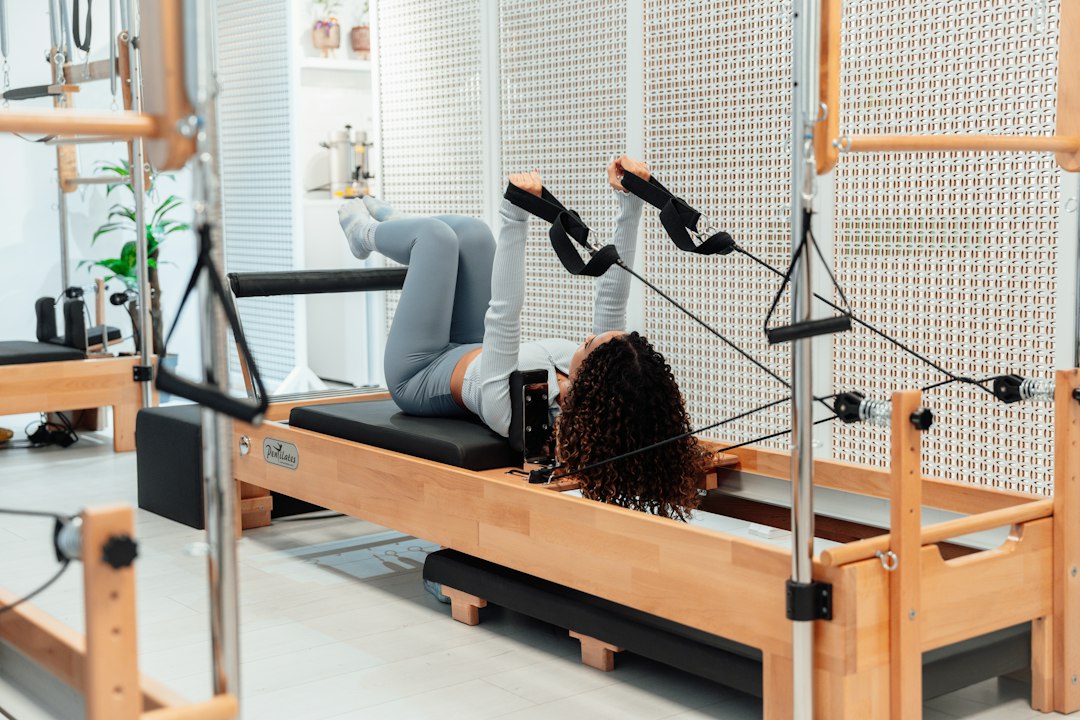
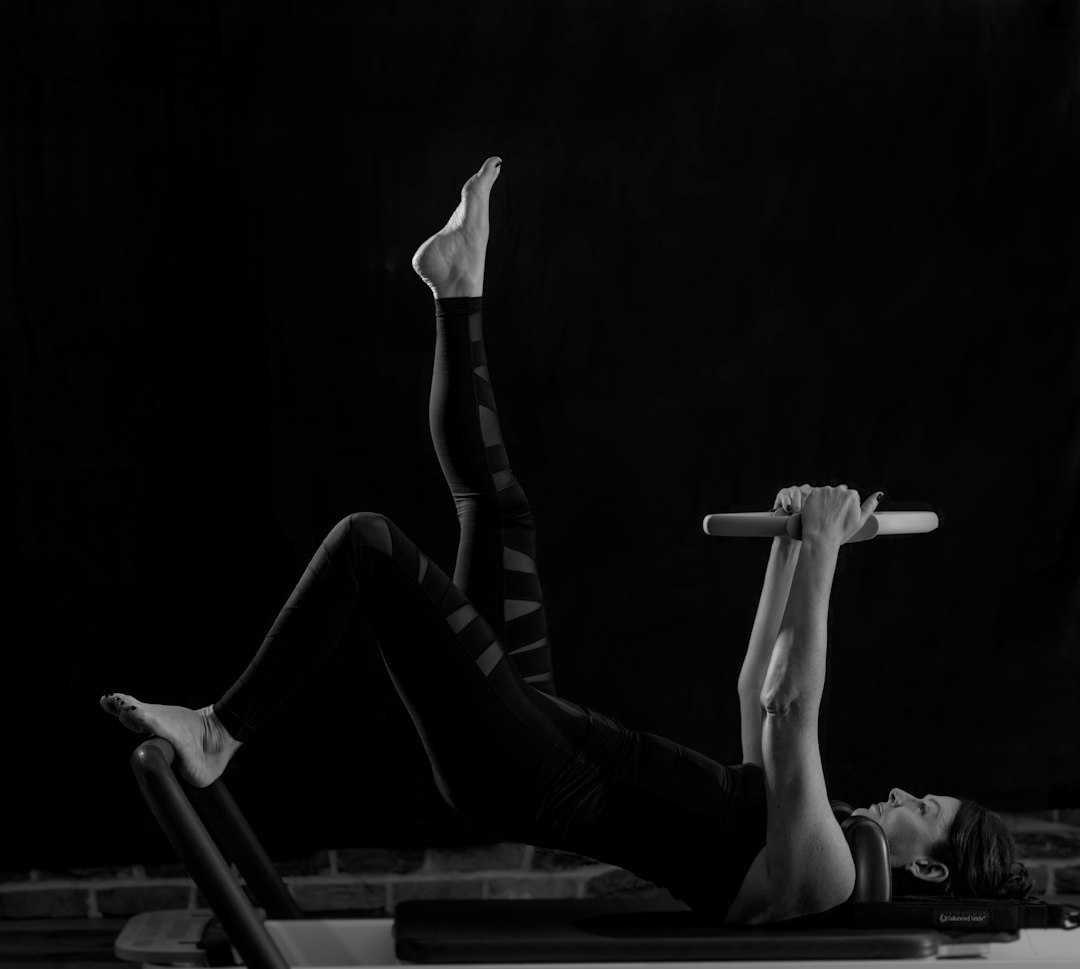
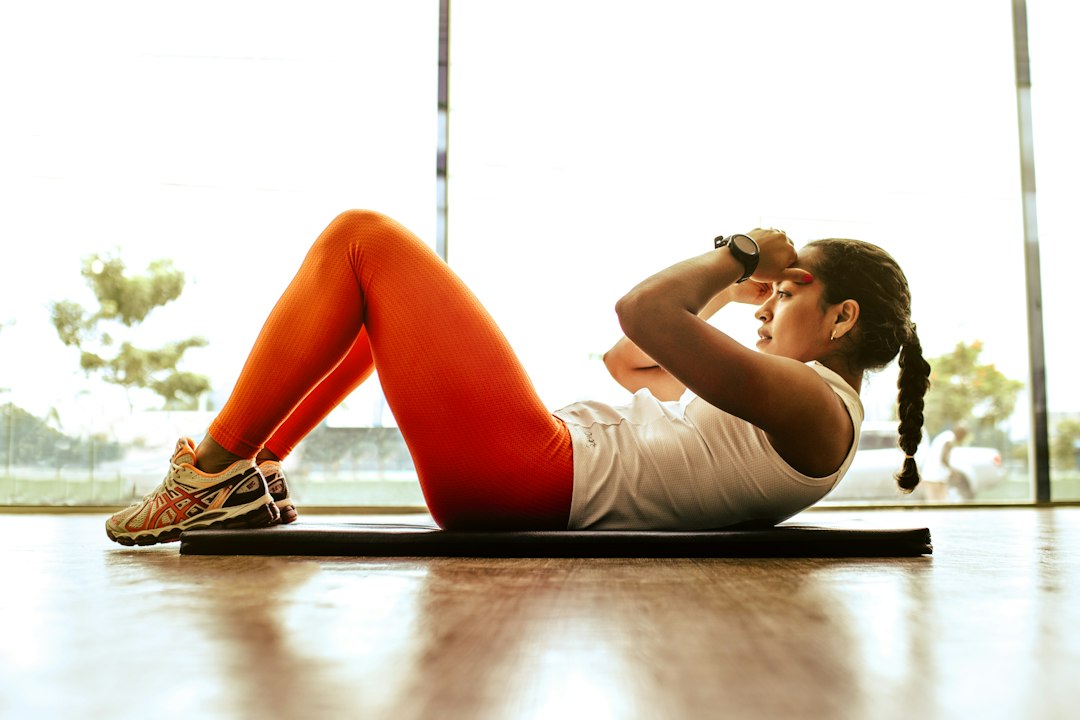
Here’s the mistake I see constantly: buying maximum resistance because more must be better. It isn’t. Pilates springs are progressive — they get harder as they stretch — and most of the work that makes reformer training special happens at light-to-medium tension. Footwork, the hundred, arm circles, the long stretch series: all of them teach control at modest spring loads. If a machine offers three to five spring settings, you have everything you need for years of progress. The B&W shot below is a classic medium-spring core series — legs elevated, abs doing the honest work.
What matters more than spring count is spring quality and the carriage glide. A machine that stutters through its glide will ruin rhythm and, eventually, your patience. Metal-frame home machines use wheels on rails; better ones use sealed bearings and quieter rails. Wooden frames — like the studio originals — tend to glide more smoothly at the budget end, which is one reason the PAETA wooden foldable reformer keeps winning comparisons: solid wood frame, real spring stack, sitting box and jump board included, and it folds upright for storage. It’s the closest thing to a studio machine I’ve found at a non-studio price.
Wood or Metal? A Question of Floor and Faith
Wooden reformers look beautiful and glide beautifully, but they’re heavy and they want a dedicated spot. Metal frames are lighter, cheaper, and often fold — the trade-off is a slightly rougher ride and a weight capacity you must actually read. I’ve watched a 250-pound-rated machine wobble under a 200-pound client doing energetic long stretches, so when my team checks folding models now, we start at a 350-pound capacity minimum and feel better at 500. The Buytime 91-inch foldable reformer hits that 500-pound mark, ships with a jump board and dual resistance system, and still slides under a bed or stands against a wall. For apartment dwellers who refuse to sacrifice performance, it’s the folder I’d put my own money on.
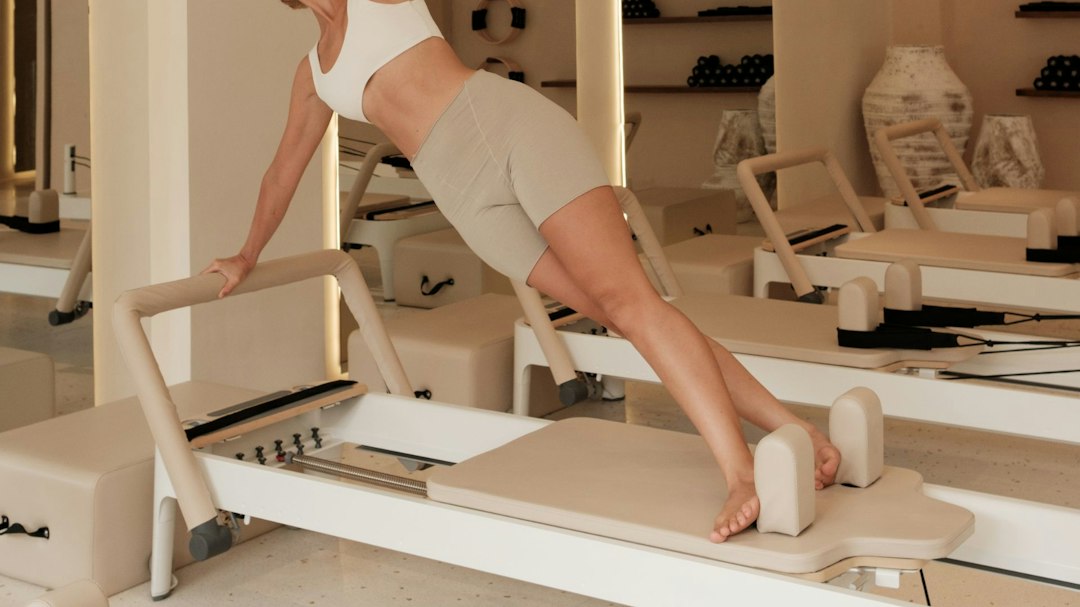
Be honest with yourself about the footprint question before you buy, not after. A reformer in use needs roughly eight feet of length and two to three feet of width, plus clearance to move around it. If you’re working with less, a compact folding model or even the sub-$300 mat-and-accessories route I laid out in my spare-bedroom Pilates studio build is the smarter first step. I’ve also written a full guide to carving a training corner out of a small home — measure twice, order once.
What I’d Buy at Three Budgets
Under $400 — the honest starter. The AeroPilates Reformer 287 is the machine I recommend to curious beginners more than any other. It’s light, it’s affordable, the resistance comes from cords instead of coiled springs, and it includes three workout DVDs and a safety rail setup that’s friendly for true beginners. Will you outgrow it if you fall in love? Maybe. But “maybe outgrowing a $300 machine” beats “never starting because I couldn’t justify $2,000,” every single time.
$400–700 — the committed regular. Step up to the AeroPilates 4420 and you get a wider carriage, four resistance cords, a taller frame that’s easier to get on and off, and a rebounder bar on some configurations that turns cardio days into low-impact intervals. This is the tier where a reformer stops being an experiment and becomes your favorite piece of furniture. If you want real springs at this price instead of cords, the Dpiolrcag foldable spring reformer is the value pick my team keeps flagging — spring tension, folding frame, sub-$600 price.
$700 and up — the forever machine. This is where the PAETA wooden model lives, and where brand-name studio machines start. If you already know you’ll train on it three times a week for years, buy once and buy right. If you’re not sure yet, don’t. Nobody has ever regretted upgrading from a starter machine; plenty of people have regretted a $2,000 clothes rack.
The Accessories That Earn Their Shelf Space
Every reformer listing tries to upsell you. Most of it is noise, but four accessories genuinely change what your machine can do. A sitting box (sometimes called a long box) unlocks an entire category of exercises — seated arm work, back extensions, the stretches that make people fall in love with reformers in the first place. If your machine doesn’t include one, the VEVOR Pilates box is padded, sturdy, and priced sanely. A jump board replaces the footbar for cardio intervals and is non-negotiable if you’re a runner who wants impact-free conditioning; the Balanced Body padded jumpboard is the studio standard, and it’s what I’d buy.
Off the machine, a Pilates ring — that squeeze-able magic circle — costs less than a yoga class and adds a serious inner-thigh and arm burn to any mat session. The ProBody Pilates circle has been in my gym bag for two years. And grip socks are the small thing everyone forgets until their feet slide mid-exercise; a five-pack like these grippy crew socks lives in my client kit and my own drawer. Follow-on sessions at home run smoother with a good mat underneath your reformer too — my mat buying guide covers what actually matters there.
Do You Even Need a Reformer Yet?
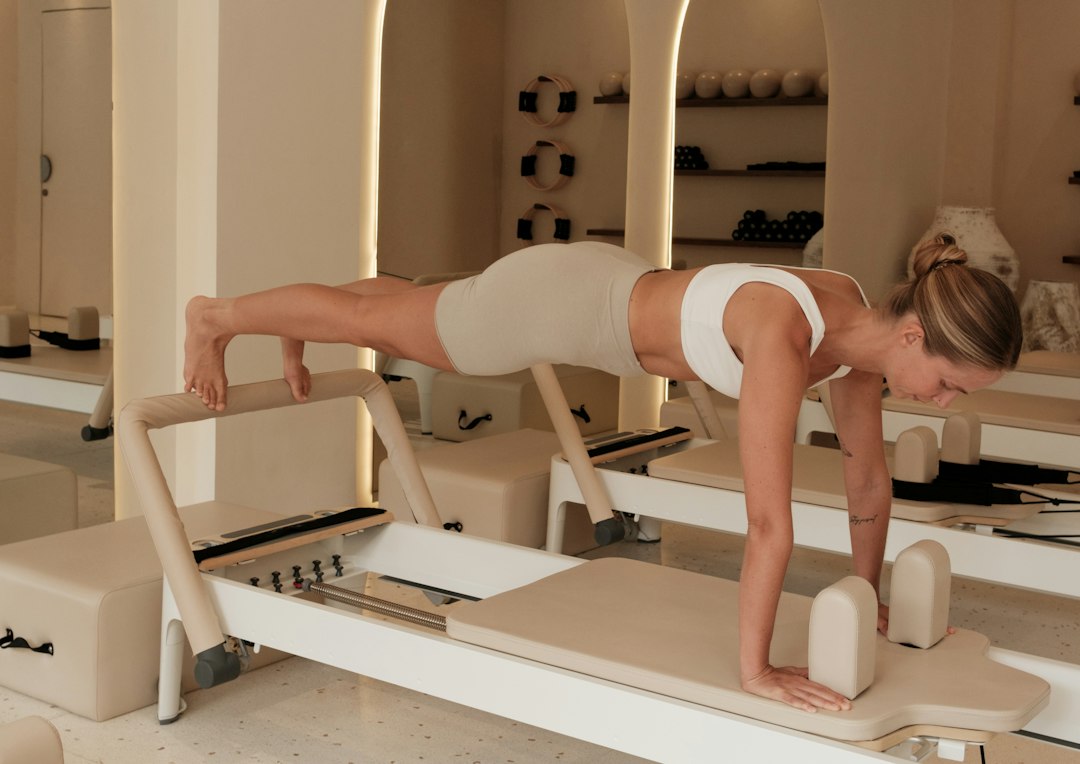
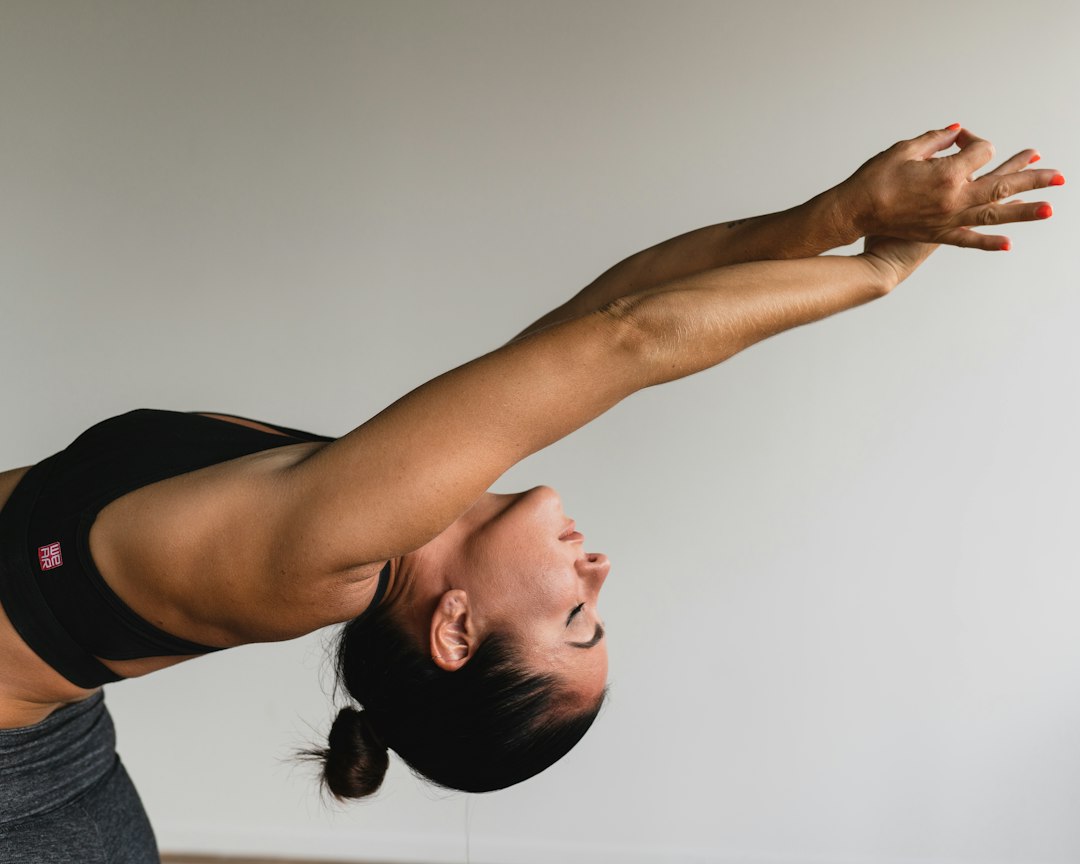
Honest coach moment: some of the people asking me this question don’t need a machine yet — they need four weeks of consistency on a mat. The reformer magnifies the Pilates principles (control, precision, breath, flow), but it can’t install them. If you’ve never done a rollout or a teaser, spend a month with free mat sessions first. Your body will learn the vocabulary, and then the machine will teach you the poetry. That foundation work on the floor — like the core series below — transfers directly to the carriage.
And if you’re reading this during the fall deal window, one practical note: heavy fitness equipment is exactly where shipping fees and delivery headaches love to hide. Prime members get free delivery on most oversized gear, which on a 90-pound crate is not a small perk — if you’ve been on the fence about signing up for Prime before buying big, this is the week it pays for itself. Fast shipping on the machine, the accessories, and the returns window if the carriage glide isn’t what you hoped — that’s real money on a purchase this size.
My Final Answer
Buy the reformer if you’ve done a month of mat work and still want more. Buy the budget machine if you’re new, and the wooden one if you already know you’re all-in. Measure your space first, start spring-light, and put the box and the socks in the cart with the machine so you’re not improvising week one. And whoever you are, the third client who asked me this month — yes, you made the right call waiting for October. Now go glide.