Every January, gyms fill with people who made resolutions. By March, those same gyms are ghost towns. I’ve watched this cycle repeat for over fifteen years of coaching, and I’m here to tell you something that might surprise you: January is the worst time to rebuild your fitness. August is where the magic happens.
I learned this the hard way. After missing my Olympic qualifying mark in the heptathlon by a margin so small it still stings, I spent most of that summer sulking. I didn’t train. I didn’t eat well. I barely left my apartment. Then one muggy August morning, my old track coach called and said something I’ll never forget: “The athletes who win in the fall are the ones who start when it’s still uncomfortable outside.” She was right. That August, I rebuilt my entire foundation — strength, mobility, nutrition, sleep — and by October, I was in the best shape of my life. Not because I did anything extreme. Because I started when nobody else was paying attention.
There’s something powerful about this particular window. The back-to-school energy is infectious, even if you haven’t sat in a classroom in decades. Stores are stocked with planners and organizers. The mornings are getting crisper. There’s a natural shift in rhythm that makes structure feel less like a punishment and more like a relief. So let me walk you through exactly how I help my clients use August as the ultimate fitness reset — the gear, the habits, and the mindset shifts that actually stick.
Start With Movement You Actually Miss
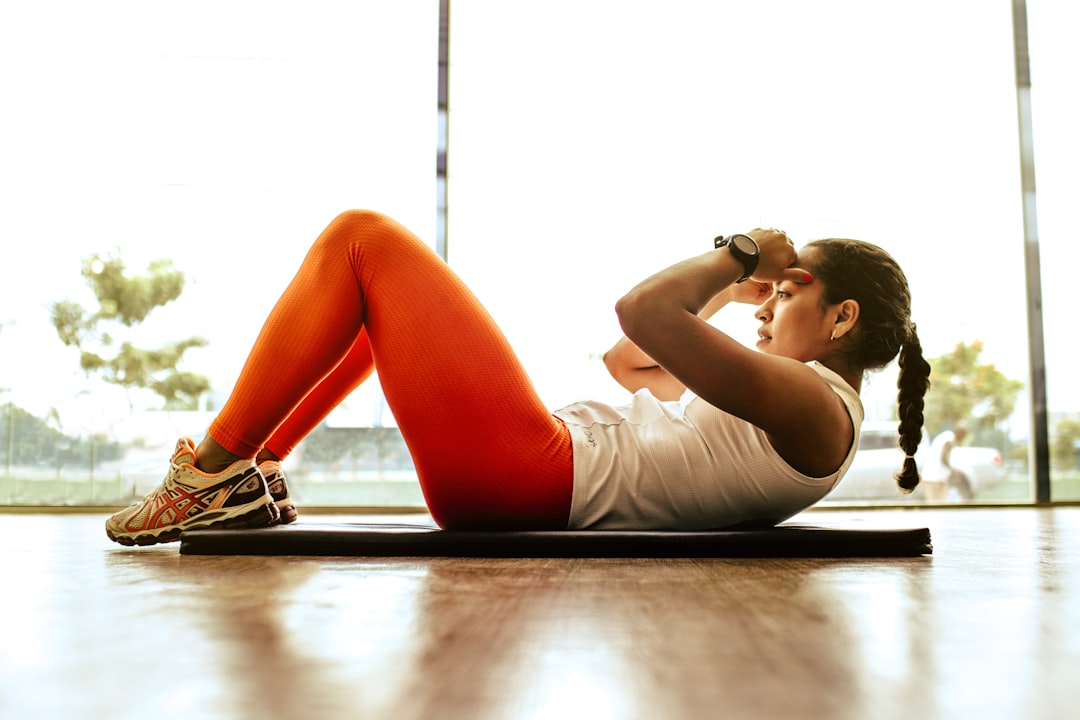
The biggest mistake people make when restarting a fitness routine is going from zero to sixty. They sign up for six days a week of intense training, get sore, burn out by week two, and conclude that fitness just isn’t for them. My approach is the opposite. I have my clients start with the kind of movement their body actually craves after a lazy summer.
For most people, that’s walking, light stretching, and maybe a few bodyweight exercises in the morning before the day takes over. The goal isn’t to set records. It’s to remind your body what it feels like to move with intention. I tell my clients to aim for twenty minutes a day for the first week. That’s it. Twenty minutes where you’re not checking your phone, not thinking about work, just moving.
A good yoga mat is genuinely the first thing I recommend, even if you never do a single downward dog. Having a dedicated surface on your floor changes the psychology of your space. It says, “this is where I move.” I’ve had the same one for three years, and it still signals to my brain that it’s time to work. Roll it out the night before and you’ve already removed the friction from your morning.
Build Your Minimal Home Arsenal
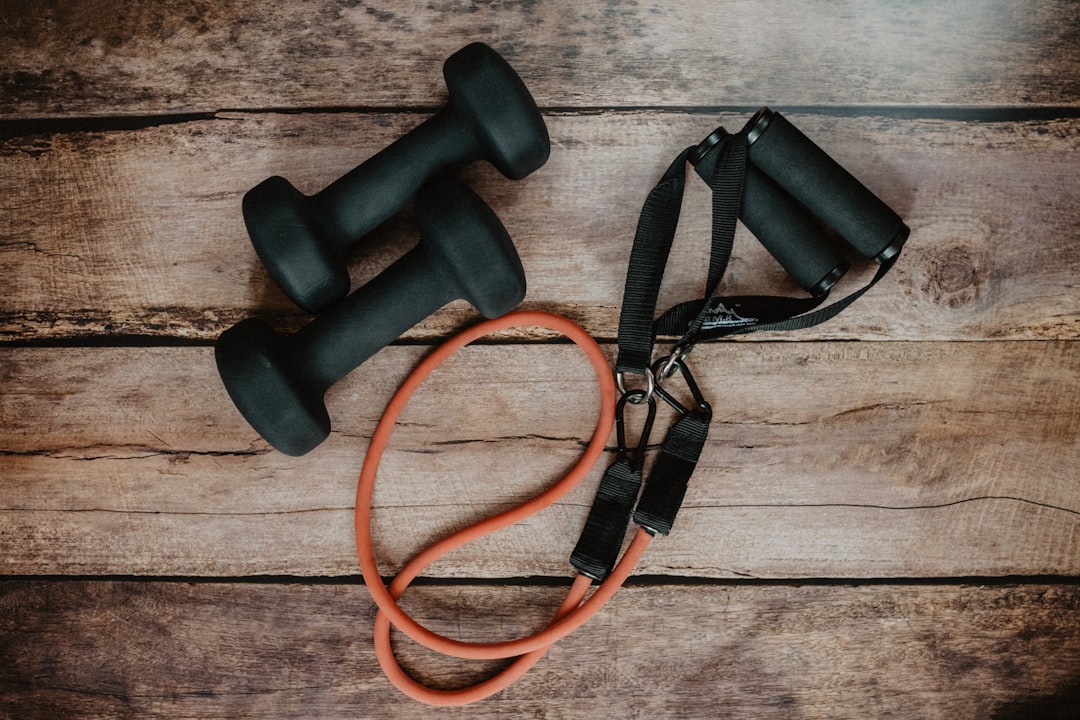
Once you’re moving consistently — even if it’s just those twenty minutes — it’s time to add resistance. You don’t need a full gym. You need three things: something to lift, something to pull against, and something to roll out on. That’s your starter kit, and it fits in a closet.
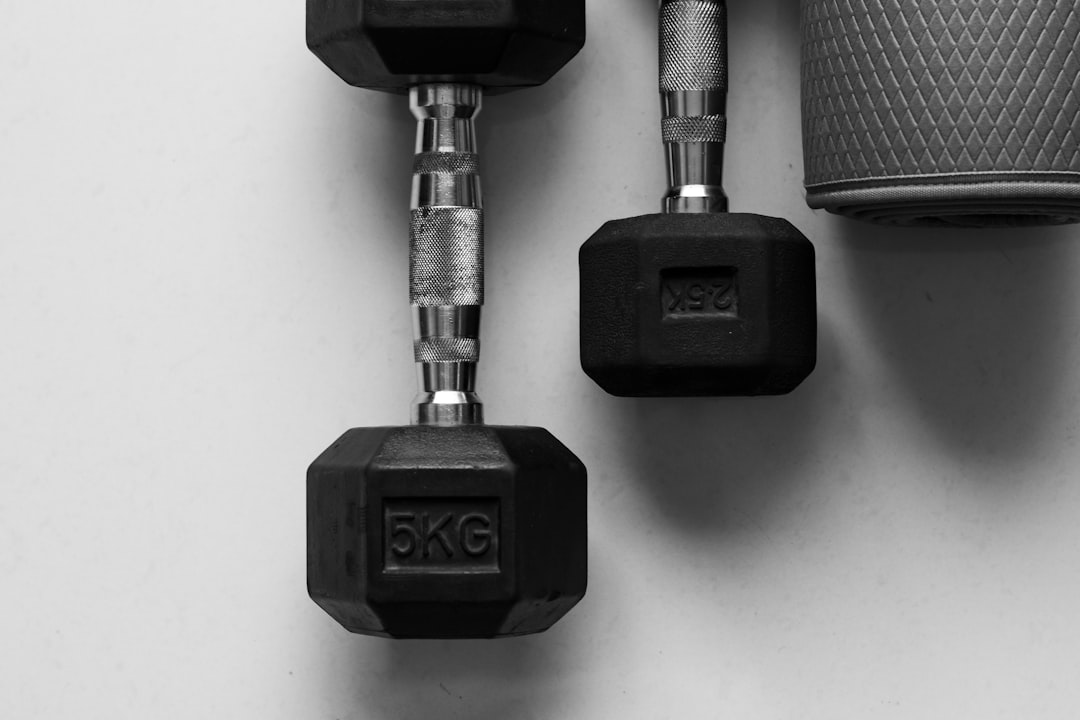
Adjustable dumbbells have come so far in the last few years that I genuinely believe they’re one of the best investments you can make in your health. I wrote about this in detail when I replaced my entire wall of iron with a single pair, and six months later, I haven’t looked back. A quality set like the FDS1 adjustable dumbbells gives you fifteen weight options in the footprint of a shoebox. For someone restarting their training in August, that means you can begin with five-pound curls and work your way up to full-body compound movements without ever needing to buy another piece of equipment.
Pair those with a solid set of resistance bands with handles, and you’ve got a full-body training system that travels with you. Bands are incredibly underrated for rebuilding strength after a break. They provide accommodating resistance, meaning the movement gets harder at the top where you’re naturally stronger, which is perfect for reconnecting your nervous system to your muscles after a sedentary stretch. I use them for warm-ups, accessory work, and even full sessions when I’m traveling.
The Three-Session Weekly Framework
Here’s the structure I give every client who’s restarting in August. Three sessions a week. No exceptions, but also no additions. The restraint is the point.
Session One: Full-body strength. Five exercises — squat, hinge, push, pull, carry. Three sets each. Done in forty minutes. Your dumbbells and bands cover every one of these movements. The goal isn’t to crush yourself. It’s to move heavy things with control and leave feeling like you could do a little more.
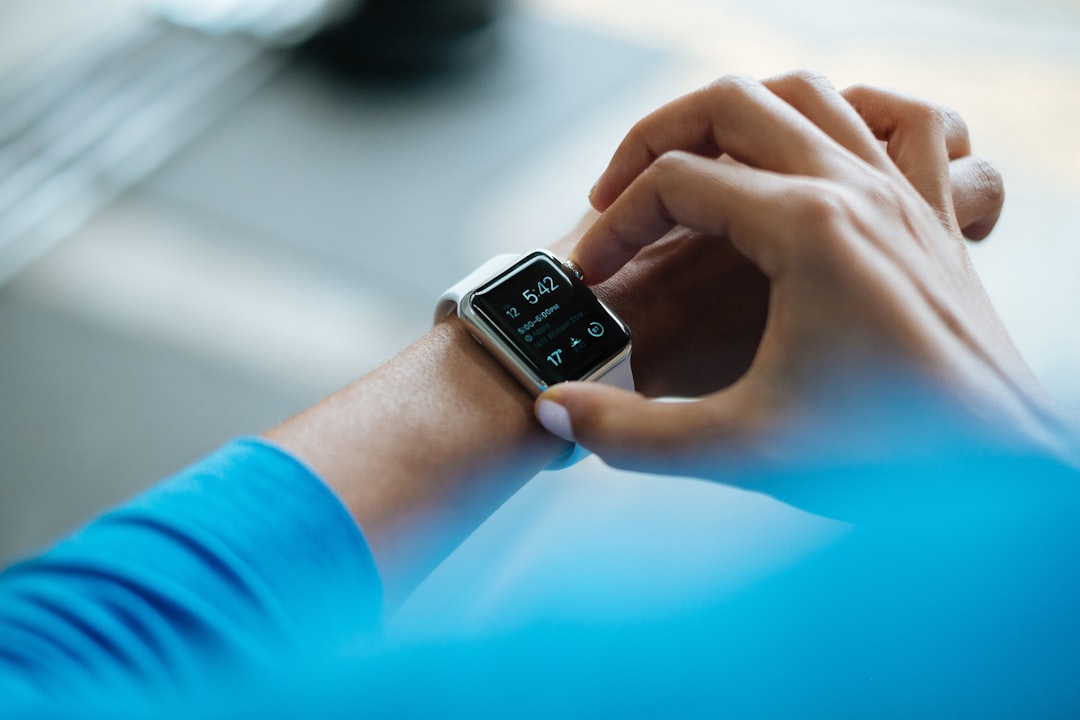
Session Two: Zone 2 cardio. Thirty to forty-five minutes of steady, conversational-pace movement. This could be walking, cycling, swimming, or even an easy hike. Zone 2 training is having a massive moment right now, and for good reason — it improves mitochondrial density, fat oxidation, and cardiovascular efficiency without beating up your recovery. If you’re looking for a way to track your effort without staring at a screen, a simple fitness tracker with heart rate monitoring takes the guesswork out of staying in the right zone.
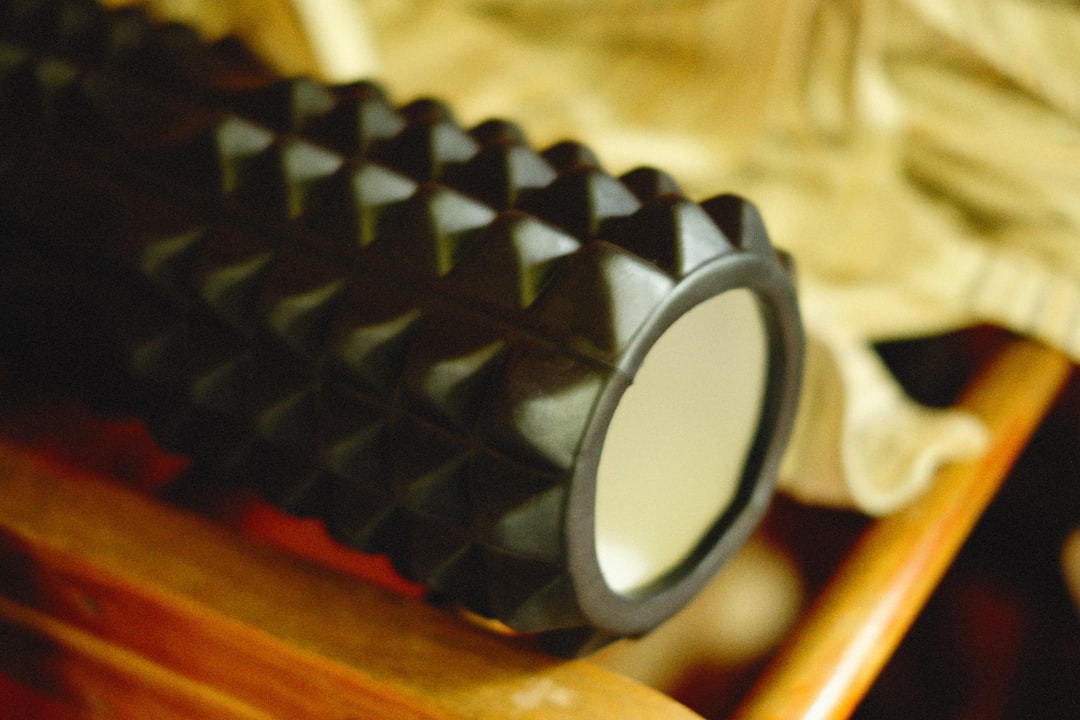
Session Three: Mobility and active recovery. This is the session everyone skips and the one that matters most. Twenty minutes of foam rolling, dynamic stretching, and corrective work. A quality TriggerPoint Grid foam roller costs less than a single physical therapy copay and addresses the exact tissue restrictions that derail comebacks. Spend extra time on whatever area tends to tighten up first — for most people, that’s hips, thoracic spine, and calves.
Rebuild Your Kitchen Habits Before Your Workout Habits
I’m going to say something controversial: nutrition matters more than training during a restart. You can train perfectly, but if your nutrition is chaos, your body won’t recover, your energy won’t improve, and you’ll quit by week three. So before you worry about your workout split, fix your food infrastructure.
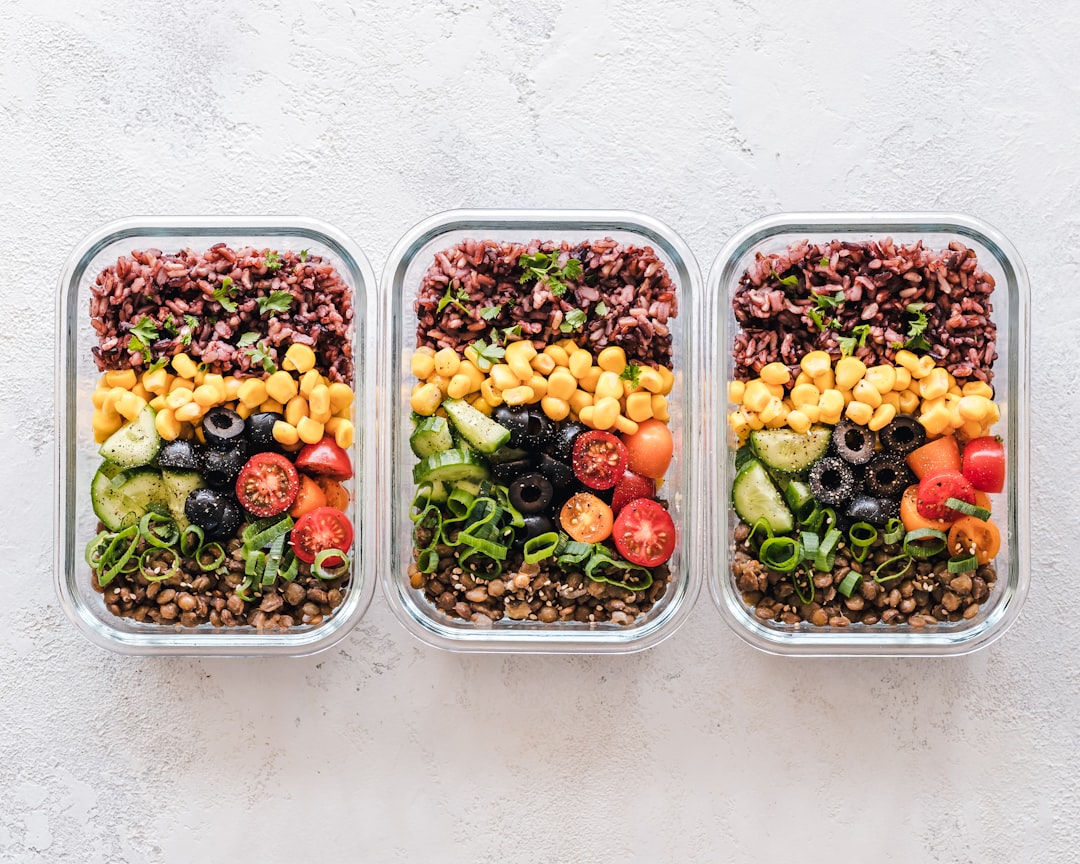
August is the perfect time for this because produce is at peak abundance. Farmers markets are overflowing. Your kitchen naturally leans toward lighter, fresher meals. Use that momentum to establish a simple meal-prep rhythm that will carry you through fall when comfort food starts calling. A set of portion-controlled meal prep containers — I’ve been using the same Bentgo set for two years — makes it dramatically easier to portion protein, carbs, and vegetables without overthinking every meal.
Protein is the non-negotiable. I aim for thirty grams per meal, which sounds like a lot until you realize that’s a chicken breast, a cup of Greek yogurt, or a scoop of quality whey protein in your morning smoothie. My team tested dozens of protein powders last year, and the ones with no artificial ingredients consistently performed better across digestion, satiety, and taste. Levels Grass-Fed Whey remains my daily driver — clean ingredients, reasonable price, and it actually mixes into coffee without turning into cement.
Hydration: The Easiest Win You’re Ignoring
If I could make one change for every client who walks through my door, it would be drinking more water. Not flavored water. Not water with seventeen supplements added. Just water, consistently, throughout the day. Most people are walking around mildly dehydrated and confusing it with hunger, fatigue, or brain fog.
I switched to an Owala FreeSip bottle earlier this year and the difference in my daily intake is almost embarrassing to admit. The design genuinely matters — a bottle you enjoy drinking from is a bottle you’ll actually use. I keep mine on my desk, beside my bed, and in my gym bag. Three full refills a day covers my baseline needs, and a fourth covers training days. If you want to get scientific about it, I wrote about my sweat rate testing protocol last month, which walks you through calculating your exact fluid needs.
Track Something — But Only One Thing
The wearable tech industry wants you to track everything: sleep, HRV, steps, calories, oxygen saturation, blood glucose, stress scores, recovery metrics. It’s exhausting. And for someone just restarting their fitness journey, it’s paralyzing. Too much data creates anxiety, and anxiety kills consistency.
My rule for August restarters: track one metric. Just one. Pick whatever resonates — steps, workouts completed, hours of sleep, grams of protein. Write it down in a simple fitness journal at the end of each day. That physical act of writing matters. Research on behavior change consistently shows that the act of tracking — not the specific metric — is what drives improvement. When you write it down, you’re telling your brain that this matters. You’re creating a record of investment.
I wrote recently about why August is the most overlooked window in wellness, and tracking is a big part of why my six-week protocol works. It’s not about perfection. It’s about visibility. You can’t improve what you won’t look at, and a journal on your nightstand is infinitely more reliable than an app you’ll delete in three weeks.

The Schedule That Makes It Stick
Here’s what a realistic August reset week looks like. Not aspirational. Not optimized for an Instagram post. Just a sustainable structure that a busy adult can actually follow.
- Monday: 20-minute morning walk + 20-minute evening strength session (dumbbells)
- Tuesday: 40-minute Zone 2 walk, bike, or swim
- Wednesday: Rest day — 10 minutes of stretching before bed
- Thursday: 20-minute morning walk + 20-minute evening strength session (bands)
- Friday: Rest day — foam roll while watching TV
- Saturday: Long outdoor activity — hike, run, bike ride, paddleboard (60+ minutes)
- Sunday: Meal prep + 15-minute mobility session + plan the week ahead
That’s roughly three hours of structured training and another two hours of light activity per week. Anyone can find five hours. And notice what’s missing: no gym membership required, no hour-long commutes, no equipment beyond what fits in your closet.
If you’re thinking about training for a fall race, this is exactly the base you need. My complete blueprint for fall race prep builds directly on top of this foundation. But even if you never line up for a starting line, this schedule will make you stronger, leaner, and more energized by the time October rolls around.
Don’t Wait for Perfect Conditions
The reason August works better than January isn’t physiological. Your muscles don’t care what month it is. It’s psychological. August has momentum built into it — the academic calendar conditions us to associate this time of year with fresh starts. The weather is still good enough for outdoor training. The holidays are far enough away that you can build six solid weeks of consistency before temptation season arrives.
I’ve been coaching long enough to know that the people who succeed aren’t the ones with the most willpower. They’re the ones who set up their environment to make good choices easier. The dumbbells by your bed. The water bottle on your desk. The meal prep containers in your fridge. The journal on your nightstand. Each one is a small vote for the person you’re becoming.
So no, you don’t need to wait until January. You don’t need to wait until Monday. You just need to start — imperfectly, with whatever you have, wherever you are. Your future self is already grateful you didn’t put it off another month.