There is a specific smell that takes me straight back to 2004: old rubber track, deep heat liniment, and the faintly earthy funk of beet juice. Our club physio kept a cooler of the stuff behind the training shed, and he guarded it like state secrets. Drink your purple, he’d bark at us forty minutes before repeat 400s. Most of us grimaced through it. One of my training partners swore the beets were why she closed her last lap a second faster that season, and I rolled my eyes at her every single time.
Twenty-odd years later, I owe that woman an apology. This past August I finally ran the beetroot experiment I’d been lecturing clients about for a decade — six weeks, every format I could get my hands on, my own training group as unwilling taste-testers, and my mother’s cuff numbers as the control group nobody expected. September is peak beet season and peak base-training season, which made it the perfect collision of calendar and curiosity. Here is what actually earned shelf space, and what I poured down the drain.
Why Your Body Treats Beets Like a Chemistry Set
The reason beets matter at all comes down to one molecule: nitric oxide, the compound that tells your blood vessels to relax and widen. Your body makes it on its own through an enzyme pathway, but that machinery gets sluggish with age — research on aging blood vessels has documented more than a fifty percent loss of endothelial function in the oldest adults studied. And that matters whether your goal is a faster 5K or simply a calmer reading at the doctor’s office.
Beets offer a back door. They’re loaded with dietary nitrate, and here’s the part that still fascinates me: the first step of the conversion doesn’t happen in your stomach at all. It happens on your tongue. Bacteria living in your saliva convert nitrate to nitrite, and once that nitrite hits the acidic environment of your stomach, it becomes nitric oxide. You are, quite literally, fermenting performance chemistry in your mouth every time you eat a salad. Hold that thought — it becomes important later, and it’s the detail most supplement marketing completely ignores.
For endurance work, the practical result is a measurable drop in the oxygen cost of exercise. Your muscles do the same work for slightly less respiratory effort. We’re not talking about a new engine — think of it as a tune-up on the one you already own. For blood pressure, the effect shows up more slowly but more reliably, which is why my most interesting data over these six weeks didn’t come from a track watch at all.
The Dose That Actually Shows Up in the Studies
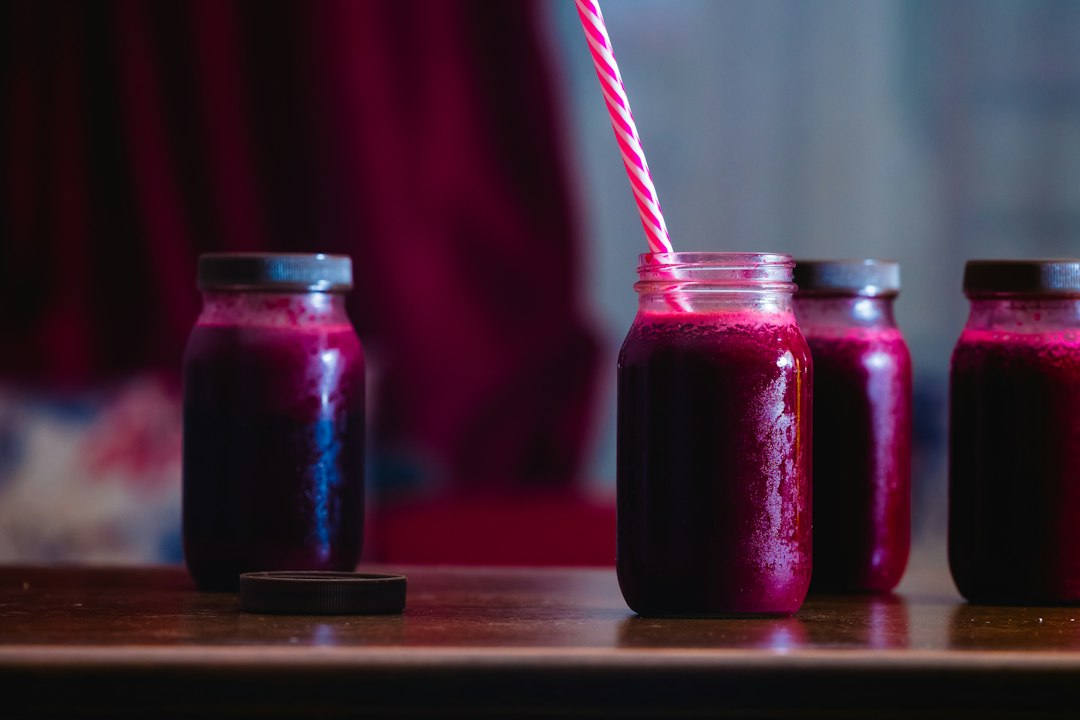
Almost every credible study on beetroot and performance lands in the same neighborhood: roughly 6.4 millimoles of nitrate — about 400 milligrams — consumed two to three hours before exercise. For blood pressure, the research favors smaller daily doses stacked over four to six weeks rather than one heroic chug. My protocol ended up being a shot most mornings and a bigger dose before hard sessions, which my assistant coach tracked in a spreadsheet with frankly embarrassing enthusiasm.
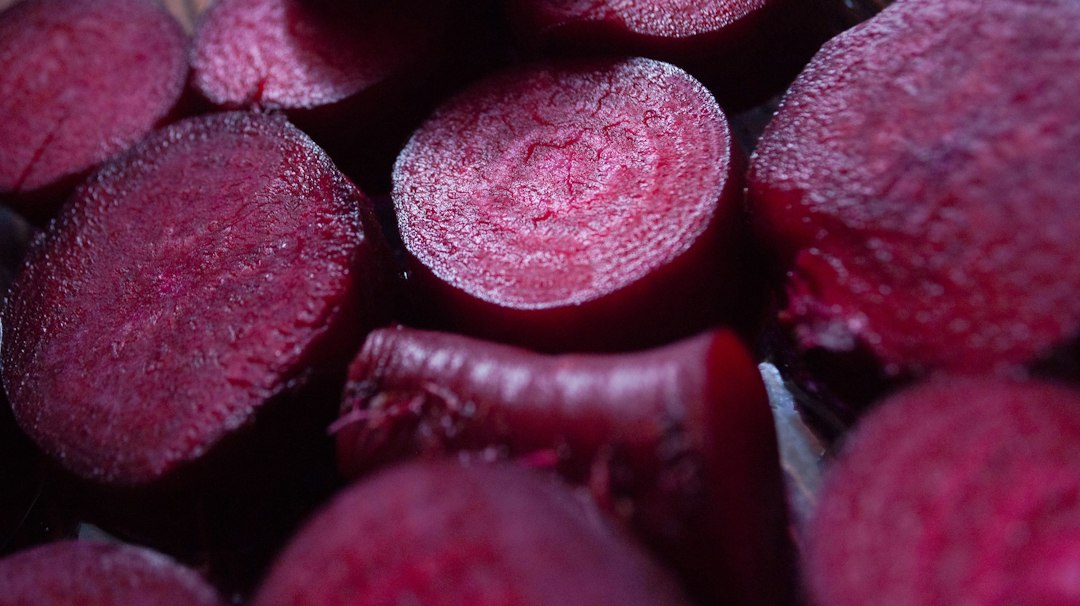
Getting 400 milligrams from whole food is more beets than you’d guess — about three medium roots — which is exactly why concentrated beet shots exist. I’m not going to pretend roasting and peeling three beets at 5:30 a.m. is a sustainable habit for anyone with a job. The whole point of this experiment was figuring out which shortcuts preserve the chemistry and which ones just make expensive purple water. If you want one number to carry into the store: under 300 milligrams of nitrate per serving, and the research effect starts getting murky.
Six Weeks of Purple Tuesdays: What Moved and What Didn’t
Every Tuesday for six weeks I ran the same session: 5 x 800 meters at threshold on the same road loop, same warm-up, same Tuesday-night dinner the night before. I logged heart rate, perceived effort, and my watch’s pace. My training group — four of us still chasing the ghost of our competitive years — did the same on their respective days. We were, I’ll admit, a hopelessly unscientific sample, and I say that as someone who has read enough exercise science to know better.
The honest result? My average heart rate at threshold pace dropped about three beats per minute by weeks four through six, and my final repetition felt noticeably more controlled. One training partner reported nothing. Another took fifteen seconds off his loop and blamed the beets loudly and often. That scatter is exactly what the research predicts — responders and non-responders, with age, fitness level, and even oral bacteria explaining who lands where. If you’re already highly trained, expect a whisper. If you’re forty-five and building an aerobic base, expect something more like a conversation.
Race day has its own format now, too. Concentrated beet gels solve the awkwardness of carrying a shot bottle in a shorts pocket, and I’ve started handing them to my fall marathon group before their long tempo blocks. The gel isn’t magic — it’s the same chemistry in a race-friendly wrapper.

The Client Whose Cuff Told the Better Story
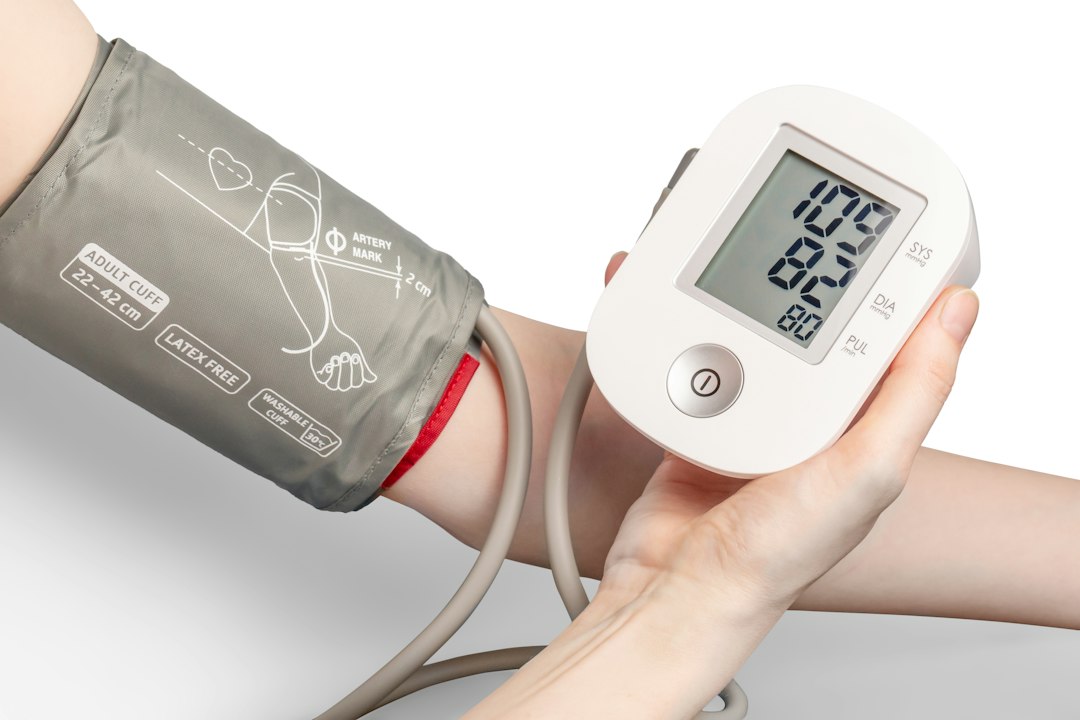
Midway through the experiment, my mother — seventy-one, stubborn, and newly obsessed with her home monitor after my blood pressure showdown — asked what she should do with the beet powder I’d left on her counter. I gave her the boring answer: one small scoop daily, same time each morning, log your numbers. Six weeks later her averages were down six points systolic, her doctor nodded approvingly, and she has now appointed herself the beet evangelist of her entire book club.
That tracks with the clinical literature better than my track data does. Daily beetroot juice has shown meaningful blood pressure reductions in multiple trials, particularly in older adults, and the mechanism — vessel relaxation — is the same one athletes chase. If you try this at home, please measure properly: seated, arm supported, two readings, same time of day. A decent cuff like the Omron Bronze removes all the guesswork, and this is the one metric where I refuse to let clients rely on how they feel.
The Ladder I Build for Clients, Rung by Rung
After six weeks of tasting, cost-per-serving math, and one truly regrettable smoothie, my coaching team and I settled on a ladder. Where you land depends on your budget, your gag reflex, and how much you enjoy your kitchen counters staying their original color.
The bottom rung is whole beets, and it’s where I live. Roasted on Sunday, sliced into salads all week — you get the nitrate plus fiber, folate, and potassium, at roughly a dollar a pound in September. The compromise is dose control and stained hands; food scale people can manage the math. If juicing is your route, a cold-press machine preserves more of the nitrate than high-speed blades, which is why my kitchen finally got its juicer upgrade this month.
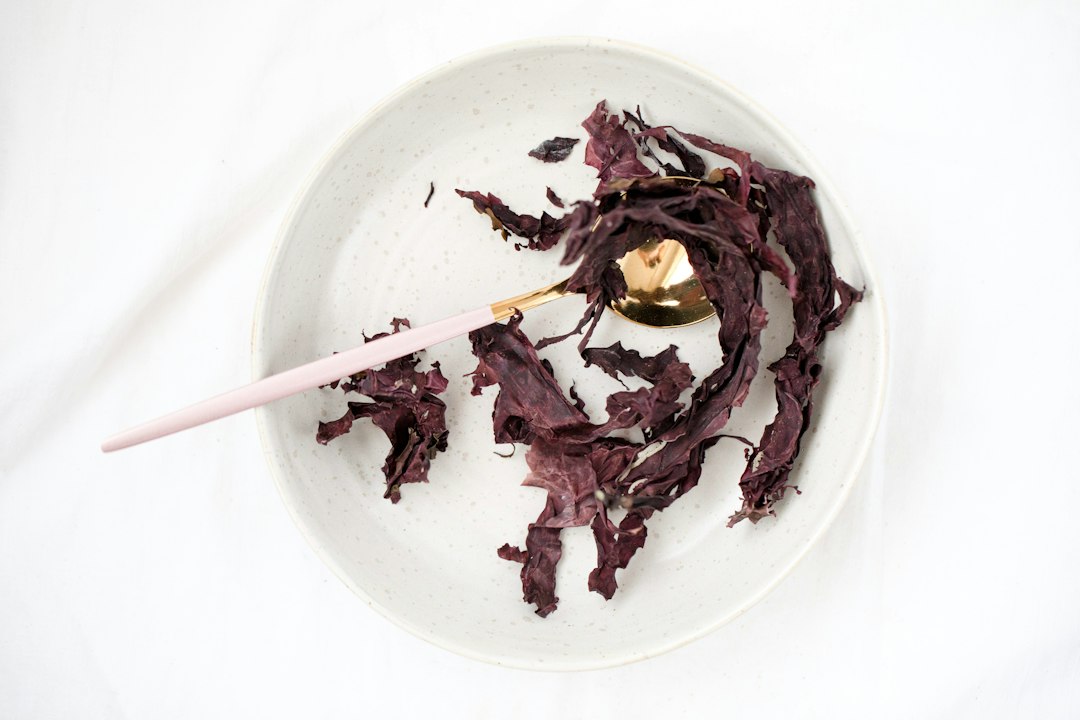
The bulk powder rung is the value play. A four-pound bag of organic beetroot powder costs less per month than a weekly latte habit, mixes into anything, and keeps forever. The catch is that plain powder varies wildly in actual nitrate content — brands rarely certify it — so treat bulk powder as your daily-maintenance dose rather than your pre-race dose.
The flavored powder rung exists for compliance. Black cherry SuperBeets costs considerably more per serving, but it’s the version my most supplement-averse client actually looks forward to mixing, and the version she’ll still be taking in February. The best protocol on paper loses to the one you follow.
The capsule rung is for travelers. Standardized beetroot capsules slip into a Dopp kit, survive airport security, and cost nothing in willpower. On a two-week trip last month they kept my streak alive when packing a powder tub was never going to happen.
The gummy rung is the gateway. Beet cardio gummies with CoQ10 taste like actual candy, which is both their superpower and their trap — check the added sugar if that matters for your goals, and don’t eat them like actual candy. I hand these to clients who have failed every other habit.
The top rung is the certified shot. Nitrate-certified beet shots deliver that research-grade 400-milligram dose with third-party verification, which is why they’re what I take before hard efforts and what I stack during racing blocks. You pay for precision — sometimes a dollar or more per serving — but when the entire point is a specific chemical dose, precision is the product.
Two Habits That Quietly Cancel the Whole Project
Here is where I tell you about the week I nearly threw away six weeks of data. Remember the bacteria on your tongue doing the nitrate-to-nitrite conversion? Antibacterial mouthwash kills them. I spent week three swigging an antiseptic rinse every morning because a dentist had told me to, and my Tuesday numbers went flat — exactly as the studies on chlorhexidine and mouthwash predict. If you’re invested in this pathway, alcohol-based and antiseptic rinses are working against you. My compromise now: rinse at night, never in the morning before my shot, and let the daytime bacteria rebuild.
You can actually watch this chemistry work. Saliva test strips turn pink when your nitrite levels rise, and they’ve become my favorite party trick with skeptical clients — swab, wait ten seconds, and watch a tongue turn a strip the color of bubblegum. If a strip won’t turn after two weeks of daily beets, either your product is dead or your mouthwash habit is the culprit. One side door worth knowing: L-citrulline feeds the other nitric oxide pathway entirely, and a plain citrulline powder stacks neatly with nitrates for clients focused on training performance.
Who Should Keep Their Money
Beets are food, and that’s mostly the safety story — but not entirely. If you’ve had kidney stones, beets are high in oxalates and worth discussing with your doctor first. If you’re on blood pressure medication, daily beet products can stack with your prescription; loop in your physician rather than freelancing, because my mother’s doctor knew about her purple habit before her book club did. And a small public service announcement from someone who has fielded the panicked phone call: beeturia. Roughly one in seven people can’t fully break down beet pigment, and their urine runs alarmingly red for a day. It looks terrifying. It is harmless. You may now un-clutch.
Where the Beets Land in My Fall Plan
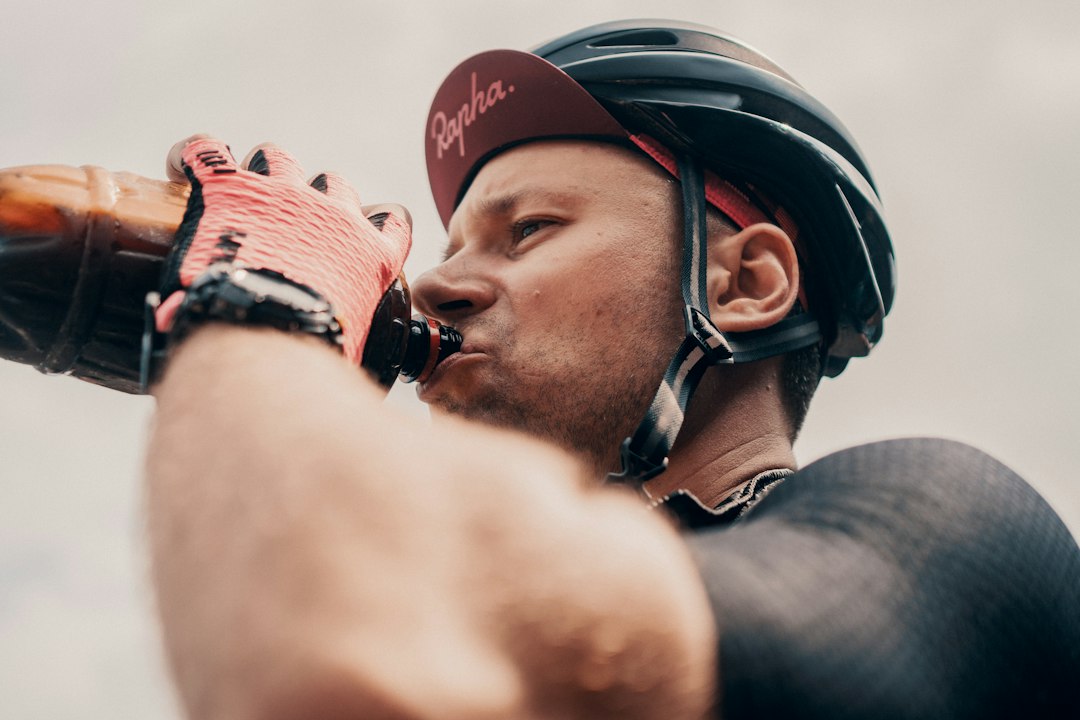
My verdict after six stained weeks: daily maintenance from cheap powder or Sunday roasting, certified shots before hard sessions, and the ladder matched to each client’s personality rather than my own preferences. The endurance effect is real but modest — it stacks on top of consistent aerobic work, it doesn’t replace it, which is why my rower habit and my October training plans haven’t moved over for it. Hydration still does the heavier lifting in late-summer heat, and no supplement has ever out-earned a good night of sleep.
But for a few dollars a week, the dose that helped my mother’s cuff, steadied my last 800 rep, and made my training partner insufferable with confidence? That’s the kind of boring, purple, evidence-backed win I’ll keep recommending long after the trendier bottles on the shelf have moved on. The physio with his cooler was twenty years ahead of the research. Don’t tell him I said so.