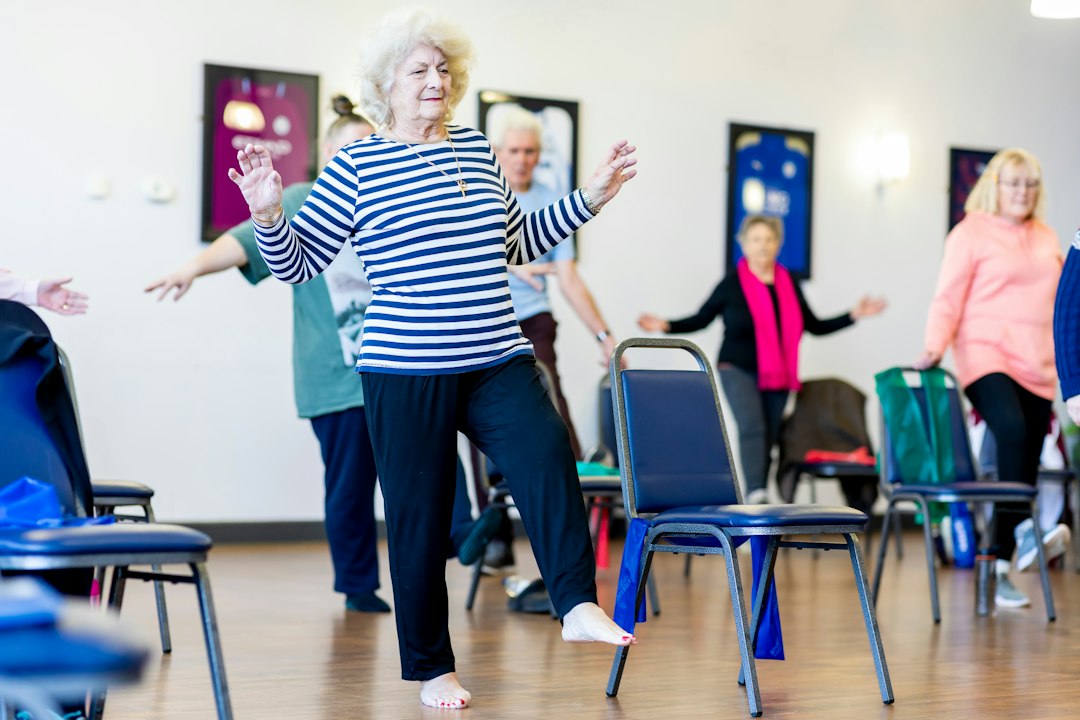
Every new client who walks into my studio gets the same first assignment, and it has nothing to do with weights, bands, or the fancy recovery gear leaning against the wall. I point at a clear patch of floor and say: sit down, then get back up. However you want. That’s it. Some people drop into a easy cross-legged fold and rise like they’re being pulled by a string. Others lower themselves in stages, catch themselves with a palm, roll to a knee, and push up with a look that says please never speak of this. In thirty seconds I usually learn more about that person’s next decade of health than anything a questionnaire could tell me.
My coaching team runs this little ritual with every intake now, and I’ll admit we’ve turned it into a quiet competition in the office — guessing someone’s score before they attempt it. But the reason we do it is dead serious. There’s a body of research hanging on this one movement, and the latest numbers stopped even my most gadget-loving colleagues mid-scroll.
What the Sitting-Rising Test Actually Measures
Researchers in Brazil have been studying this exact move — formally called the sitting-rising test, or SRT — for years as part of their exercise-medicine cohort work. The setup is almost comically simple: from a standing position, cross your feet, lower yourself to sit cross-legged on the floor, then rise back up. The whole thing is scored out of ten points, five for the descent and five for the return. Every time you use a hand, knee, forearm, or thigh to support yourself, you lose a point. Every noticeable wobble costs you half a point.
Back in 2012, the team published findings on 2,002 adults between the ages of 51 and 80, each scored on this test and then followed for a median of about six years. The people who scored below eight — meaning they needed more than a little help getting down or up — died at two to five times the rate of the top scorers over the follow-up window. That result has been quoted in every coaching certification I’ve sat through since.
What made me sit up straighter was the 2025 follow-up in the European Journal of Preventive Cardiology, which tracked a larger group out to ten years. People with a perfect score of ten showed roughly 97 percent survival. Score eight, and it drifted to about 88 percent. Down in the zero-to-four range, it fell to 73 percent. I’m careful about turning one test into a crystal ball — the researchers themselves note it’s a signal, not a sentence. But as a snapshot of strength, flexibility, balance, and body composition all folded into one motion you’ll perform, ideally, every day for the rest of your life? I can’t think of a cheaper screening tool. If you enjoyed our piece on the single-leg balance test, this is its bigger, blunter sibling.
How to Take It Without Embarrassing Yourself (or Worse)
A few ground rules before you try this at home. Do it barefoot or in socks, never in slippers. Clear a space roughly the size of a yoga mat, and park a sturdy chair or wall within arm’s reach — not because you’ll necessarily need it, but because the fastest way to ruin a mobility assessment is a wrist injury. Warm up for five minutes first; a cold hover-and-plop tells us nothing except that you skipped the warm-up.
Cross your ankles, lower with control, sit, pause a beat, then rise the same way. Videotaping it on your phone helps enormously, because most people genuinely don’t know where their hands went. One palm flash on the way down? Minus one. Knee tapped? Minus one. Did you list sideways like a sailboat in a gust? That’s your half point gone. If you have significant knee or hip issues, recent surgery, or true osteoporosis concerns, skip the floor version entirely and have a physical therapist score you on a supervised version instead — the test is a diagnostic, not a dare.
Reading Your Score Like a Coach
Here’s the shorthand I use with clients. Eight to ten points: your floor relationship is healthy — our job is to keep it. Six to 7.5: the foundation is there, but the margins are thinning, and thinning margins are exactly what we train. Below six: no drama, no shame, and genuinely no time to waste — this becomes the headline of your program, ahead of any bench press or five-kay time you’ve been chasing. I re-test people about once a month. It moves faster than almost any metric I track, especially in the first ninety days, because the fix is refreshingly direct: get on the floor more.

The Habit That Fixes the Test: Living at Floor Level
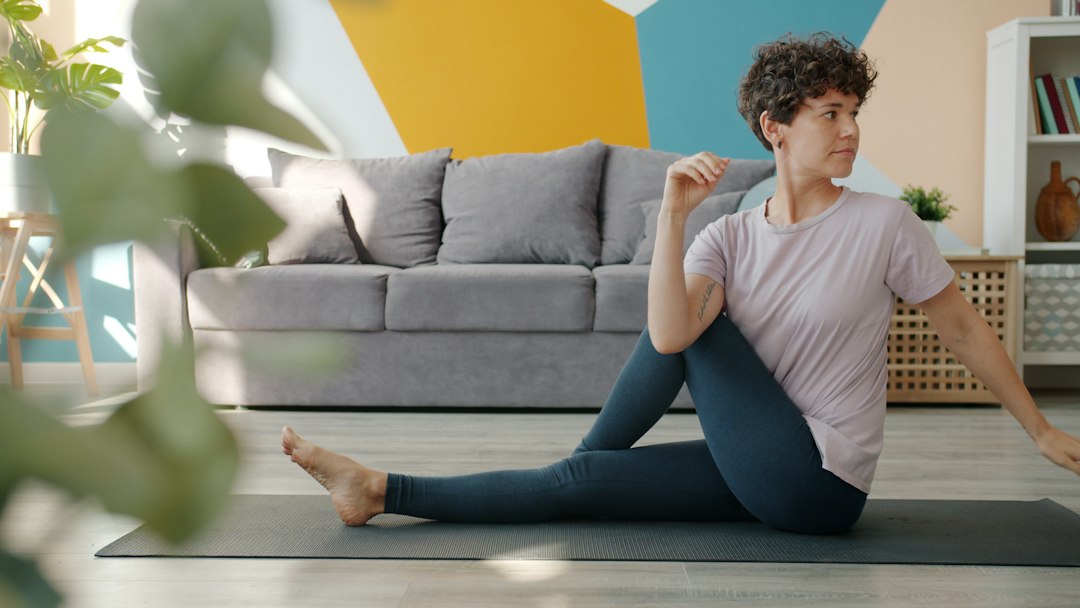
Here’s the part nobody wants to hear, then everybody loves once they try it. The best training for getting off the floor isn’t a gym exercise at all — it’s sitting on the floor. Not for an hour. Ten to fifteen minutes a day, ideally stitched onto something you already do. Stretch a cushion out during the evening news, fold laundry down there, do your scrolling cross-legged instead of sinking into the couch. The average adult has essentially furnished their home to eliminate floor contact, and the body quietly takes the hint: systems you never ask to work, stop working.
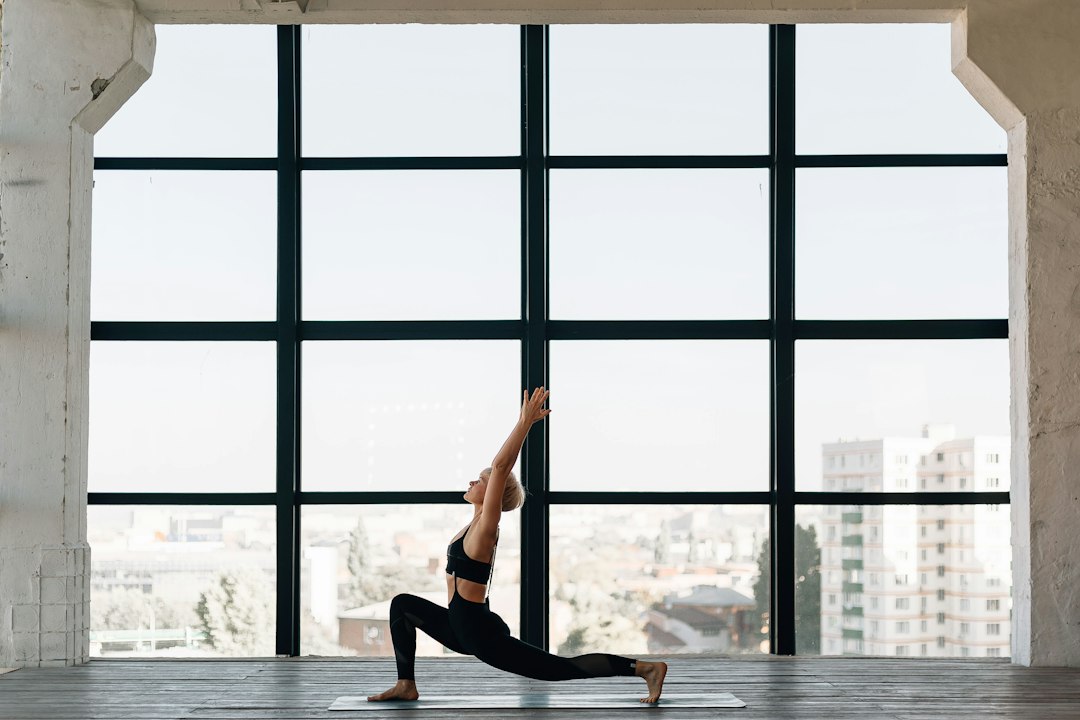
Rotate your positions like you’d rotate exercises. Cross-legged one night, kneeling (seiza, if you’ve ever taken a martial arts class) the next, then long-sitting with legs extended, then side-sitting with both knees folded to one side. Each position loads the hips, knees, and ankles differently, and each one is its own gentle mobility session. A firm zabuton floor cushion makes the first month dramatically more comfortable for stiff hips — I keep a stack in the studio corner and clients fight over the thicker meditation mats. If kneeling is the position your knees veto, a wide foam kneeling pad under the shins changes the entire conversation.

Build the Strength Half of the Equation

Floor sitting buys you the flexibility and the familiarity. The rise is still a strength movement — essentially a deep squat from a dead stop — and it responds to strength training the way you’d hope. Three of my favorite non-negotiables for clients chasing their first clean rise:
- Sit-to-stand repeats. From the edge of a firm seat, stand fully, lower with a three-second count, barely touch down, and rise again. Ten reps, three rounds, a few times weekly. When the seat feels easy, drop its height — a low wooden stool gives you honest intermediate steps between chair height and floor.
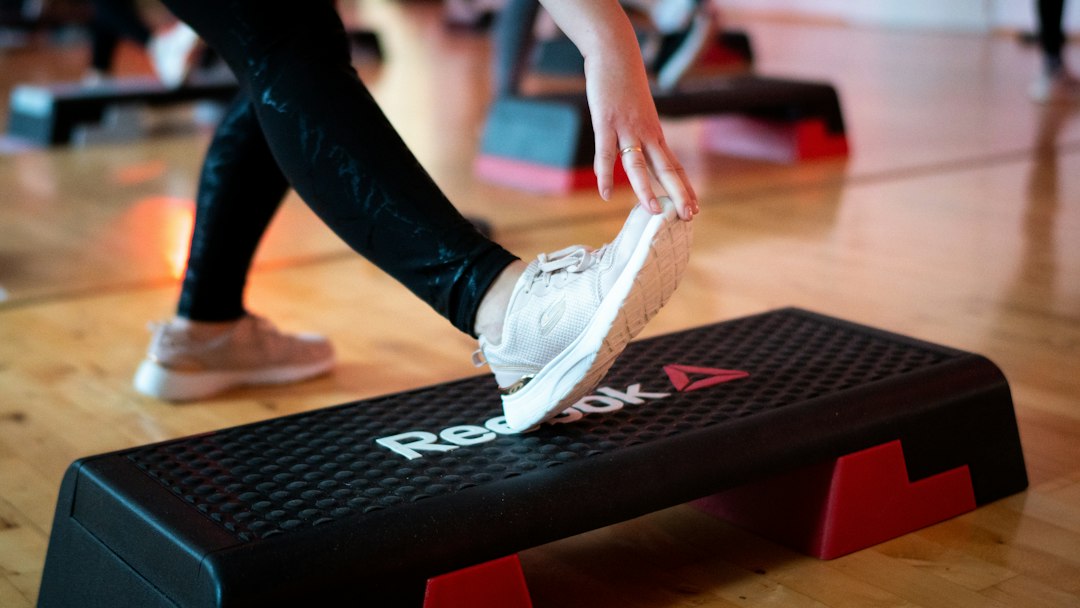
- Step-ups. Plain, boring, magnificent. An adjustable aerobic step platform lets you climb at exactly the height your hips can currently own, then add risers as strength improves. Step-ups build the single-leg drive that quietly powers a hands-free rise.
Stack this on top of the strength work you should already be doing — our pieces on the weekly strength dose that rewrote my coaching playbook and why bone is a verb cover the bigger picture. The floor test is one thread in that fabric — a thread that happens to pull on grip strength, leg power, and hip mobility all at once.
Cheating Is Training (When You Do It on Purpose)
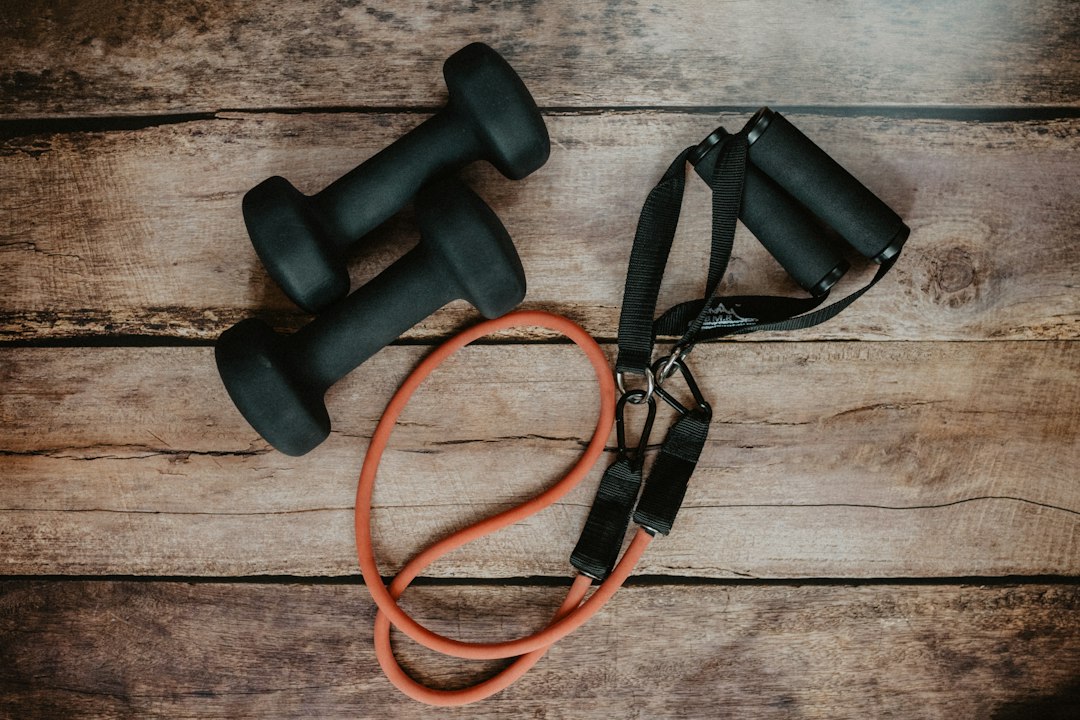
If your score is low, don’t spend weeks avoiding the floor while your strength catches up — regress the movement instead. This is where a little gear earns its shelf space. A pair of firm cork yoga blocks becomes a taller floor: place one under each hand and lower the height as your hips open. A supportive yoga bolster under the hips turns an impossible cross-legged sit into a doable one, and shortens the distance you have to travel on the way up. This is the same logic behind assisted pull-ups — you’re training the exact pattern at the exact angle your body can currently control.
The one purchase I make for clients who need real assistance (or confidence) is a suspension trainer anchored in a doorway. Gripping the handles lets you offload exactly as much body weight as you need during the descent and rise, and you dial the assistance down week by week until one day the handles are just spectators. I’ve watched a 67-year-old client go from a rolling, two-knee, furniture-assisted exit to a clean rise in four months using mostly that setup and her wooden stool. She re-tested at nine and a half and framed the scorecard. I’m not crying, you’re crying.

Wobble Work: The Balance Layer
Half the points people lose on this test aren’t strength points at all — they’re stability points, lost sideways in that listing-sailboat moment halfway down. Once you can descend and rise with control, add a deliberate wobble tax: do your sit-to-stands on a foam balance pad, slow enough that the pad’s give forces your ankles and hips to negotiate constantly. Single-leg drills — slow, high-knee marches, unhurried Zone 2 work on tired legs once a week — sharpen the same reflexes. Ten focused minutes beats an hour of distracted wobbling.
Your First Month, Written on a Sticky Note
Because I can already hear someone asking for the plan, here is the version my team staples to client folders. Daily: ten to fifteen minutes of floor sitting, rotating positions, ideally during something you already do. Three times a week: sit-to-stands and step-ups, three rounds each, plus five minutes of banded hips. Twice a week: balance-pad wobble work and a filmed SRT attempt — no scoring, just practice, hands allowed. Every four weeks: film a real test, score it honestly, write the number somewhere you’ll see it. That’s the whole program. No subscription, no twelve-week guarantee, just a floor and a sticky note.
The clients who stick with it all say the same thing somewhere around week six: they stopped thinking about the floor as a place you fall and started treating it as furniture. That mental flip — from hazard to habitat — might be the real health upgrade hiding inside this test. The score will follow you up off the ground.