Every November my inbox fills with the same message, typed in slightly different words by a dozen different clients. “The massage gun is 40% off. Do I need it?” Sometimes it’s a red light panel with a countdown clock on the product page. Sometimes it’s a pair of compression boots that costs about as much as a used car payment. The question underneath is always the same: will this thing make me recover faster, or am I about to pay for a very nice-looking drawer ornament?
I love recovery gear. I spent years in heptathlon, where you run, jump and throw across two long days, and I learned early that the athlete who recovers best between events usually beats the athlete who trained hardest. But I also learned that most of recovery is boring: sleep, food, water, easy movement and time. Tools can help around the edges. They can’t replace any of it, and a Black Friday discount doesn’t change what a tool can actually do for your legs.
So my team and I did what we do every year before the deal pages go live. We went back through the newest research, looked hard at what each category really delivers, and set the walk-away prices I give my clients. Black Friday lands on November 27 this year, which gives you two weeks to decide calmly instead of at 11:58 p.m. with a timer blinking at you.

The Question I Ask Before Anything Goes in the Cart
Before we get to any single product, here’s the filter. I ask clients to finish this sentence out loud: “I will use this on these days, for this body part, for this many minutes.” If you can’t fill in all three blanks, the tool isn’t solving a problem yet. It’s solving a feeling.
The second question is about what you’ll stop doing. A foam roller that replaces five minutes of scrolling after your run is a great buy. A massage gun that replaces your cooldown walk is a step backward, because easy movement does more for stiff legs than almost anything you can plug in. And a red light panel that tempts you to stay up 20 minutes later to “get your session in” is costing you the single best recovery tool you already own, which is sleep.
The third question is about price. Deal pages love to show a crossed-out “list price” that nobody has paid in months. My friend over on the tech site has a great system for this, and I send clients to his ten-minute price check for Black Friday deals because it works just as well for a massage gun as it does for a laptop. If the price history says the “deal” has been the normal price since August, it’s not a deal. It’s a costume.
Foam Rollers: The Cheapest Tool With the Most Honest Evidence
Good news first, and it’s also the cheapest news. Foam rolling has some of the most consistent research of any recovery tool, and it costs less than a dinner out. A 2025 study in the Journal of Functional Morphology and Kinesiology put 60 healthy adults through a calf-fatigue protocol designed to make them sore, then compared foam rolling, percussive massage and plain rest over several days. Foam rolling brought muscle tone and stiffness back down faster than rest, and it was the only option that improved muscle elasticity. What it didn’t do was make the soreness hurt less than simply resting did.
That’s the honest picture of almost every recovery tool, so let’s sit with it for a second. Rolling changes how the muscle feels and moves. It loosens you up so the next session or the next flight of stairs feels less creaky. It is not a soreness eraser, and anyone who sells it to you as one is overselling.
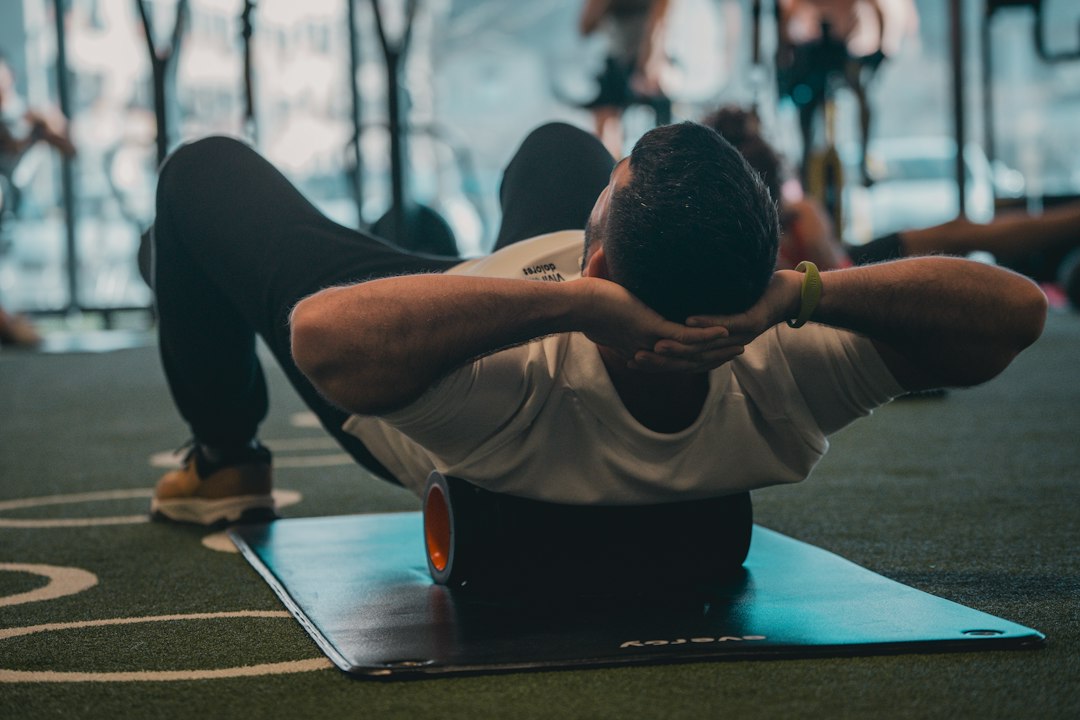
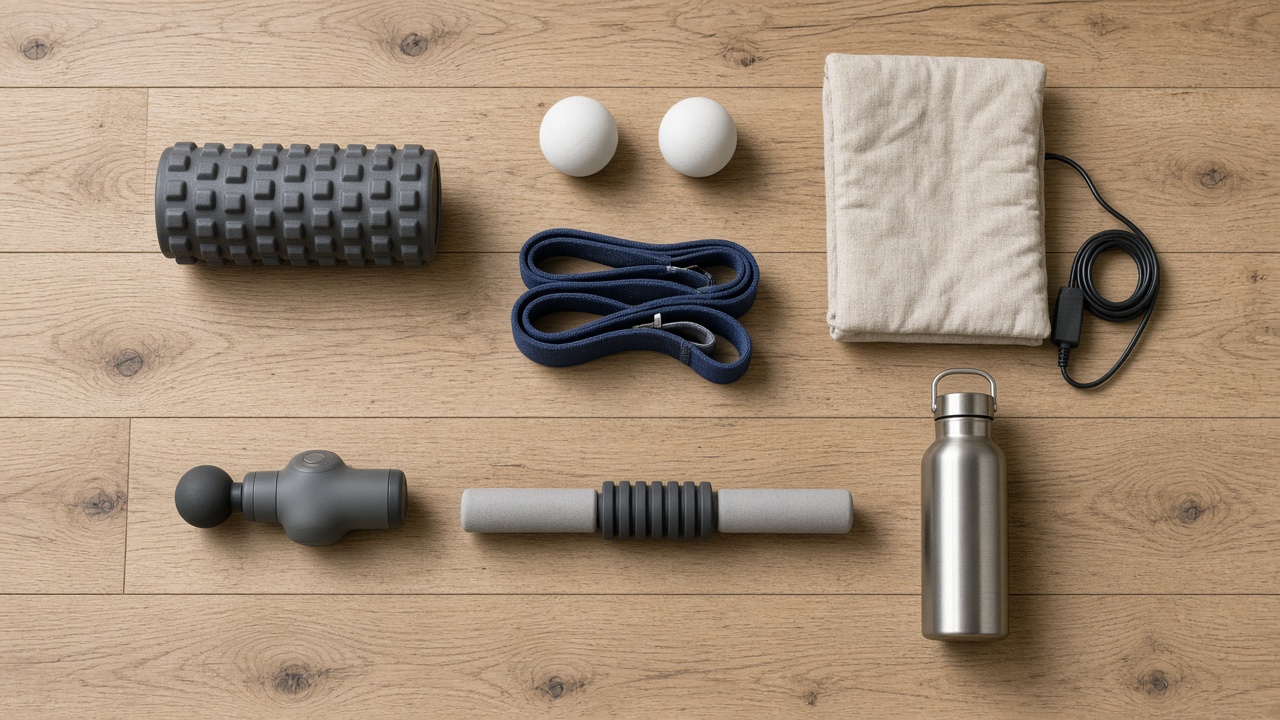
For most of my clients, a firm, textured roller is the only roller they ever need. The sixty-dollar wheel my physical therapist talked me into still lives next to my mat for my upper back, but the everyday workhorse is a 13-inch grid roller like the TriggerPoint GRID Foam Roller. It has a hollow core, so it holds its shape for years, and the raised pattern gives you a little more bite on the outer thigh and calves. If you’re brand new or want something softer for a sensitive back, a smooth Amazon Basics High-Density Round Foam Roller is a perfectly good starting point and often costs less than a pair of socks.
My walk-away price: I don’t pay more than about $40 for a standard textured roller, deal or no deal. Vibrating rollers go on sale this week too, but nothing shows they beat a plain roller by enough to justify triple the price.
The two small tools I’d add for under $25
A roller is clumsy on the bottom of the foot, the glutes and the spot between your shoulder blades. That’s where a pair of Kieba Massage Lacrosse Balls earns its keep. Stand on one for a minute while your coffee brews, or put one between your back and a wall and lean in. For calves and shins after a run, a Idson Muscle Roller Stick lets you work while sitting on the couch, which is where most of my clients actually do their recovery, if we’re being honest.
Massage Guns: Great at One Job, Oversold at Three Others
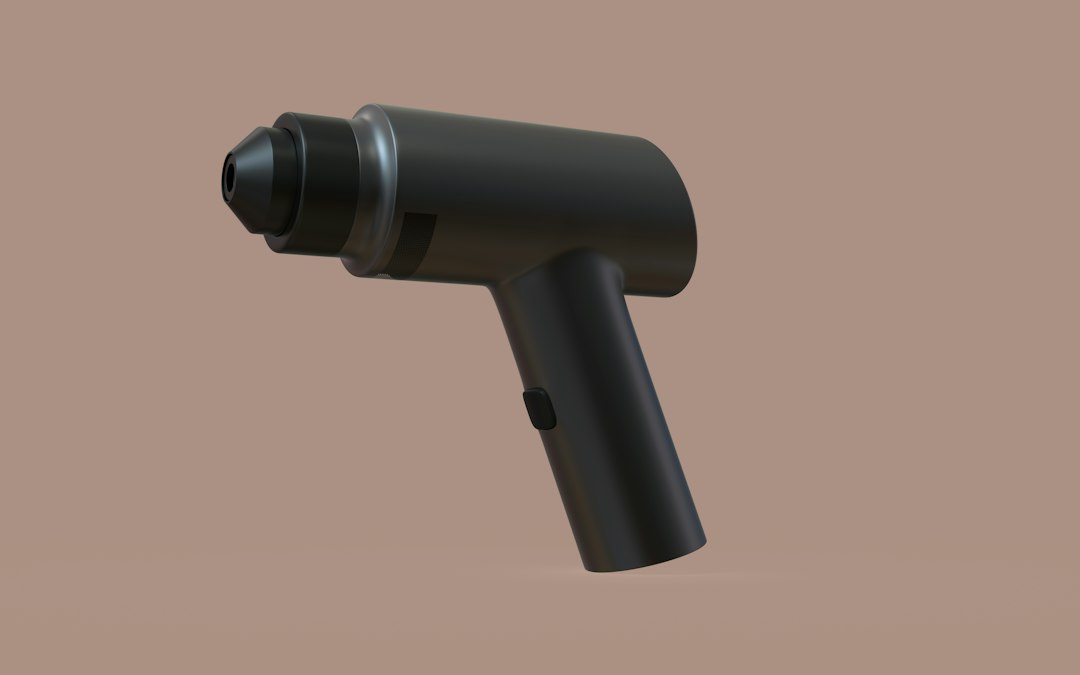
In 2026, a systematic review and meta-analysis in Chiropractic & Manual Therapies pooled 12 randomized trials on percussive therapy after hard exercise. The guns helped jump performance come back faster, and they lowered an early blood marker of muscle damage called creatine kinase. They did not clearly help maximum strength recover, and they did not clearly reduce soreness. One detail I loved: longer sessions, more than about five minutes on a single muscle group, were linked with more soreness, not less. I see it at the YMCA every winter: someone gets a new gun and spends 15 minutes hammering one quad.
So what is a massage gun good for? In my coaching, it shines in three spots. It’s a fast warm-up tool when you’re short on time, a minute or two per muscle before you lift or run. It’s a nice way to calm a tight upper back after a long day at the desk. And it’s satisfying, which matters, because the tool you enjoy is the tool you’ll use. What it’s not good for is “fixing” soreness from a workout that was too hard, or replacing an easy day.
Here’s my sizing advice. Most people don’t need a full-size gun. A compact model is lighter, quieter, fits in a gym bag and travels well. The Therabody Theragun Mini is the one I hand to clients who want a well-built pocket option and are willing to pay for it. On a tighter budget, the Bob and Brad Q2 Mini Massage Gun does the same basic job for a fraction of the price. If you’re a big-framed lifter or you want more speed settings for your legs, a full-size model like the Hyperice Hypervolt 2 has the power, but it’s heavier in the hand than most people expect.
I also wrote about guns that add heat and cold to the percussion back in August. They’re clever, and I still use mine, but they’re a nice-to-have, not the place I’d start.
My walk-away price: For a big-name mini gun, I wait for a price that’s clearly below its usual price on a price-history chart, not just below the made-up “list price.” For a budget mini, I don’t go much over $70, because the basic motor in that tier is all most people need. And whatever you buy, set a phone timer for two minutes per muscle. The research is telling us more isn’t better.
Red Light Panels: Real Science, Murky Devices
Red and near-infrared light therapy, also called photobiomodulation, is the trickiest category on the list. The science is more real than the skeptics think, and the devices are more hit-or-miss than the ads admit.
A 2024 meta-analysis in the Archives of Physical Medicine and Rehabilitation looked at 21 studies of near-infrared light applied to the legs before exercise. On average, it reduced the drop in strength after hard work, lowered muscle-damage markers and cut soreness a bit. A 2026 meta-analysis of 23 placebo-controlled trials found small boosts in muscle endurance and strength, too. So this isn’t snake oil.
Now the caveats, and they matter. Nineteen of those 21 studies came from a single country, and the results varied a lot from study to study. Most used clinic-grade lasers or carefully calibrated LED arrays at specific doses, not the consumer panel on sale in your feed. The light dose that seemed to work is measured in irradiance (milliwatts per square centimeter) and total energy delivered (joules per square centimeter) at a specific distance. Plenty of consumer panels advertise “watts” instead, which tells you how much power the panel pulls from the wall, not how much useful light reaches your thigh.
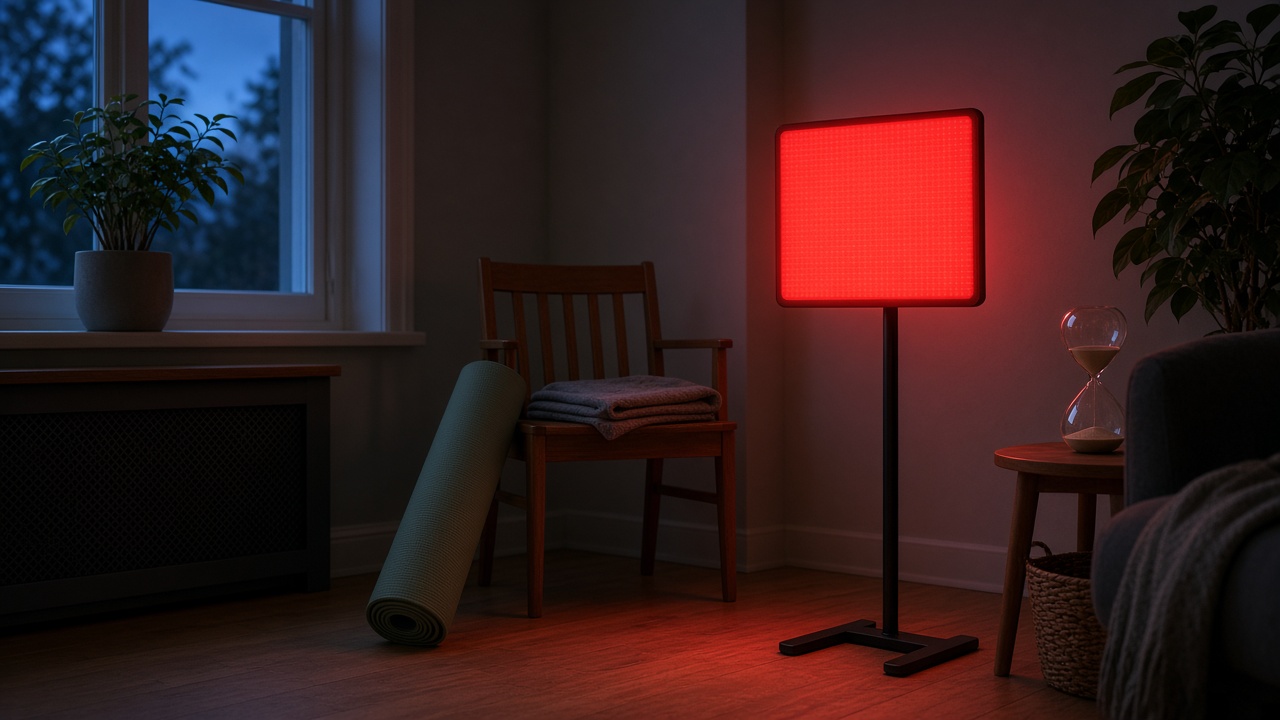
My rule for clients is simple. If a panel doesn’t publish its irradiance at a stated distance, and the wavelengths it uses (you’ll usually see something in the red range around 630 to 660 nanometers and near-infrared around 810 to 850), I skip it. A panel like the Hooga HG300 Red Light Therapy Panel is a reasonable entry point because it’s small enough to use on one body part at a time and the company lists its specs. Use it before training, not as a sleep-stealing late-night ritual, and protect your eyes with the goggles that come in the box.
My walk-away price: Red light is the one category where I tell most people to wait unless they already know exactly what they’re treating. If you have a specific nagging spot and you’d use a panel four or five days a week for two months, a small panel at a real discount can be worth trying. If it’s a “maybe I’ll get into it” purchase, it will end up behind the vacuum.
Compression Boots: The Luxury Purchase That Still Can’t Beat a Nap
Pneumatic compression boots feel wonderful. You zip into them, they inflate in waves from your feet up, and 30 minutes later your legs feel lighter. I wrote about why I first fell for them in a physical therapy clinic. But I want to be clear about what that “lighter” feeling is and isn’t.
The evidence for boots speeding true muscle recovery in healthy people is thin and mixed. What they reliably do is feel good and help you sit still, which for some of my type-A clients is genuinely therapeutic. But that’s a lot of money for a feeling, and a legs-up-the-wall rest gets you much of the same calm for free.
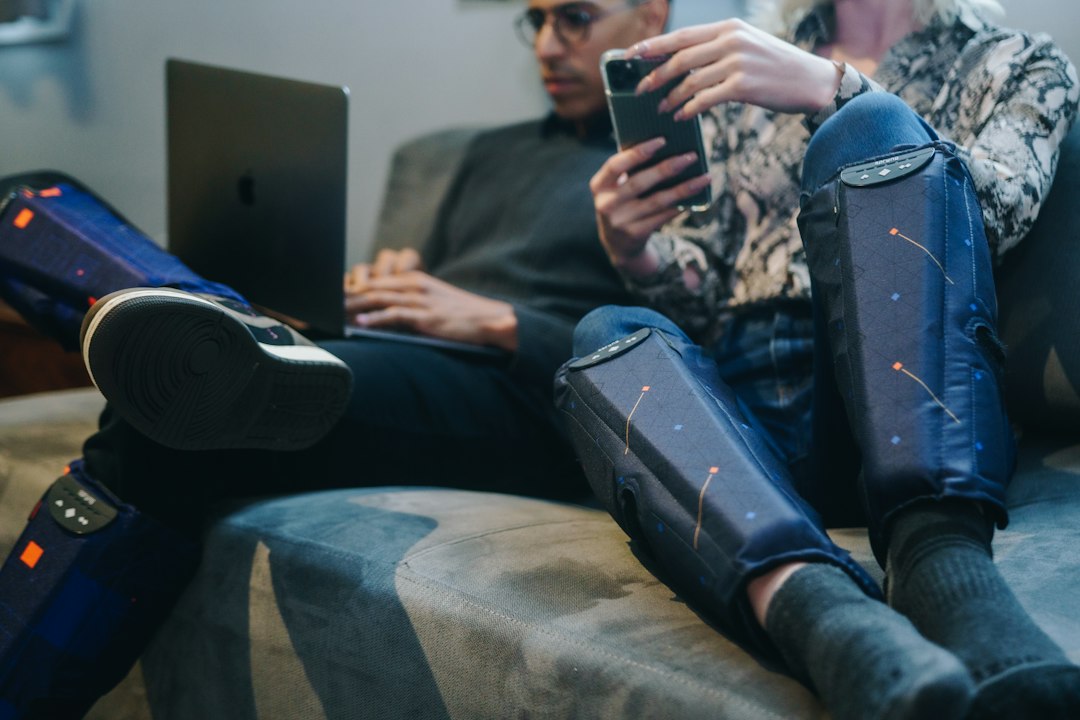
If you’re an endurance athlete stacking big weeks, or you stand all day at work and your legs ache every night, a budget wrap is the smarter experiment before you spend on premium boots. Something like the FIT KING Leg Air Compression Massager lets you find out whether you’ll actually use compression three nights a week. If you do, then a premium system becomes a reasonable upgrade conversation. If you don’t, you’ve saved hundreds.
One safety note I give every client. If you have a history of blood clots, poor circulation, diabetes with nerve issues in your feet, or you’re pregnant, check with your doctor before using any pneumatic compression device.
The Boring Basics That Outperform Everything on Sale
I’d be a bad coach if I wrote a whole gear guide without saying this part plainly. The things that move recovery the most don’t come in a box. Seven to nine hours of sleep. Enough protein spread across the day. Water. A walk on your rest day instead of the couch. A training plan that doesn’t make every session a test. You can’t buy any of that this Friday, and that’s exactly why it gets forgotten.

That said, two inexpensive tools support those basics better than any premium gadget. A long OPTP Stretch Out Strap with loops makes hamstring, calf and hip stretches easier for anyone whose hands don’t reach their toes yet. And a good Sunbeam King-Size Heating Pad is one of the most-used recovery items in my house from November to March. Heat won’t heal a muscle, but it relaxes you, eases a stiff low back after a long drive to Grandma’s, and gets you to lie down for 15 minutes. Use it on a low or medium setting, never fall asleep on it, and keep it off any area that’s freshly swollen or bruised.
When Sore Isn’t Just Sore
This week is also when a lot of people buy a tool to “fix” something that isn’t simple muscle soreness. Normal post-workout soreness peaks one to three days after a new or harder session and fades steadily. Sharp pain, pain that wakes you up at night, pain in a joint rather than a muscle, swelling, numbness or tingling, or soreness that gets worse instead of better after a few days all deserve a visit to a physical therapist or doctor before a visit to the checkout page.
Percussion and heavy rolling right on top of an acute injury can make things worse. When a nagging pain hasn’t budged in two weeks, the best purchase is almost always an appointment, not a device.
How I Spend a Recovery Budget at Different Price Points
Here’s how I’d split the money, depending on what you’re working with.
Under $50: A textured foam roller and a pair of lacrosse balls. That’s it. You now own the tools with the best evidence per dollar, and you can work every major muscle group in ten minutes.
Around $100 to $150: Add a budget mini massage gun or a roller stick and a stretch strap. Use the gun as a warm-up tool and for tight upper backs, not as a soreness cure.
Around $250 to $400: This is where a premium mini gun or a small, well-specified red light panel enters the conversation. Only buy the panel if you have a specific use in mind and the specs are published.
Above $500: Compression boots, but only if you’ve already proven you’ll sit in a budget wrap several nights a week. Otherwise, spend the money on a few sessions with a good physical therapist or a better mattress. Seriously.
If the bigger home-gym items are on your list, too, the same patience applies. I laid out when home gym gear actually goes on sale in September, and that calendar still holds through the holidays.
My Black Friday Recovery Short List
If you only skim one part of this, make it this list. Every item here is something I’d actually buy, with the job it does best.
- Best everyday roller: TriggerPoint GRID Foam Roller, for quads, IT band area, calves and upper back.
- Best budget roller: Amazon Basics High-Density Round Foam Roller, for beginners or sensitive backs.
- Best small spot tool: Kieba Massage Lacrosse Balls, for feet, glutes and between the shoulder blades.
- Best couch tool: Idson Muscle Roller Stick, for calves and shins after a run.
- Best premium mini gun: Therabody Theragun Mini, for quick warm-ups and travel.
- Best budget mini gun: Bob and Brad Q2 Mini Massage Gun, for the same job at a lower price.
- Best full-size gun: Hyperice Hypervolt 2, for bigger lifters who want more power.
- Red light, only with a plan: Hooga HG300 Red Light Therapy Panel, used before training on one target area.
- Compression test drive: FIT KING Leg Air Compression Massager, before you spend on premium boots.
- Best stretching helper: OPTP Stretch Out Strap, for hamstrings, calves and hips.
- Best cold-month comfort: Sunbeam King-Size Heating Pad, for stiff backs after long drives and long days.
The Recovery Tool You Already Own
When I missed the Olympic team by a sliver all those years ago, I spent a long time wondering what I could have bought, tried or added that would have closed the gap. The answer, when I finally got honest about it, was that I needed to sleep more and race less often. No device would have fixed that. The same is true for most of us in December, when the parties stack up, the days get short and training gets squeezed.
So enjoy the sales. Buy the roller, because it’s cheap and it works. Get the mini gun if it’ll make you warm up more often. Be choosy about the glowing panels and patient about the boots. Then go to bed a little earlier on Thanksgiving week, take a walk after the meal, and let the most powerful recovery tool you own do its job for free.