
Three times this week a client has walked up to me after the Tuesday class at the Y, phone in hand, and shown me the same thing: a magnesium bottle in an online cart with a bright Black Friday banner over it. One was a 500 mg tablet for a few dollars. One was a “brain magnesium” for almost forty. One was a gummy that tasted, I’m told, like a lemon drop. Every one of them asked me the same question. “Is this the good kind?”
Here’s my honest answer. The front of the bottle almost never tells you. The back does. Magnesium is one of the few supplements I actually keep in my own kitchen, and the season we’re walking into right now, with short days, a full calendar, a Thanksgiving table on November 26 and Black Friday the morning after, is exactly when people start reaching for it. Sales numbers say the same thing. Magnesium is the one sleep-and-stress ingredient still growing fast while melatonin and ashwagandha slide, and “magnesium glycinate for sleep” is one of the fastest-climbing health searches of the year.
So before the deal pages go live, my team and I sat down with the research, a pile of real labels and a calculator. This is the guide I give clients: the three forms I use, what each one is actually good for, the cheap tablet I leave on the shelf, and the label math that tells you how much you’re really getting.
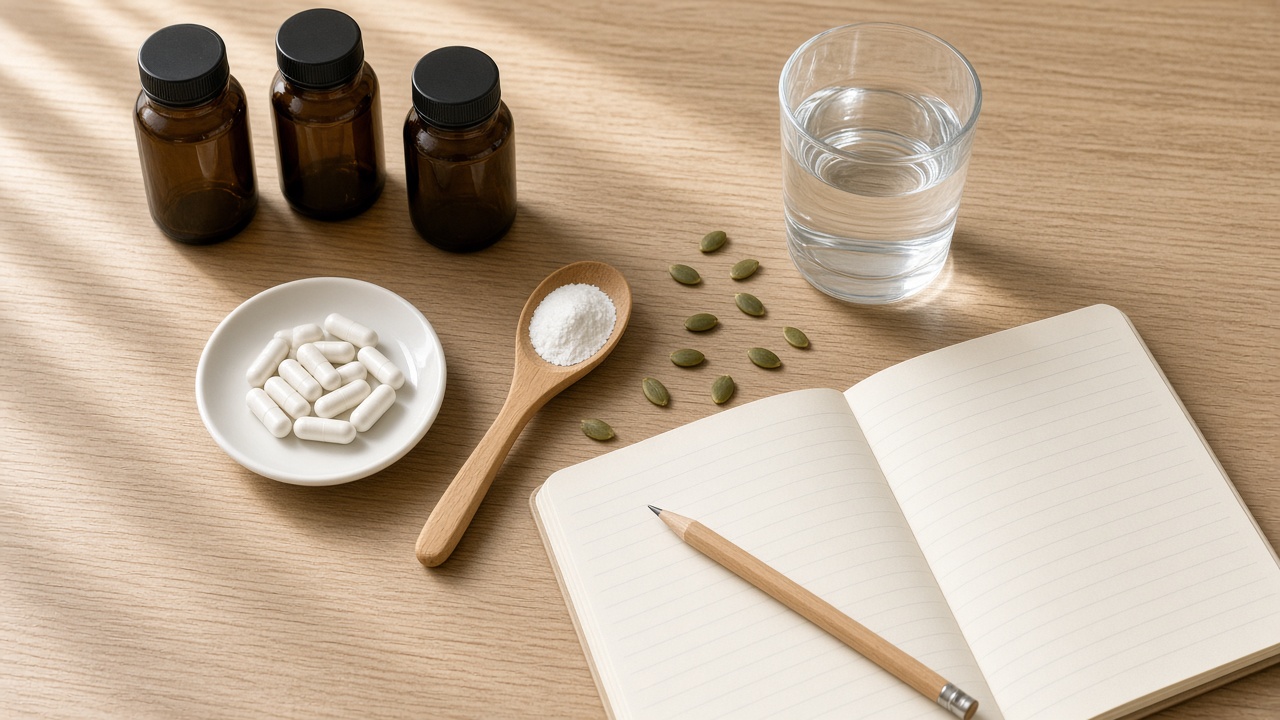
Why Everyone Wants Magnesium in November
Magnesium is a mineral your body uses in hundreds of reactions, from making energy in your muscles to helping your nerves settle down after they fire. It shows up in sleep, in muscle cramps, in blood sugar control and in how wired you feel at 10 p.m. after a day of back-to-back obligations. That’s a big job description, and supplement marketing has stretched it into a promise that magnesium will fix your sleep, your stress, your focus and your mood all at once.
The real story is quieter and more useful. A large share of adults eat less magnesium than they need, mostly because the foods richest in it, like seeds, beans, nuts, leafy greens and whole grains, are the foods that disappear first when life gets busy. The holiday stretch makes that worse. Stuffing, rolls, pie and the cheese board are lovely, but none of them are carrying much magnesium. If you’re running low, getting back to a normal intake can genuinely help you sleep a little deeper and cramp a little less. If you’re already eating well, a supplement is unlikely to feel like magic.
That’s why I don’t start with the bottle. I start with the plate, and then I ask what job the supplement is supposed to do. The job decides the form.
The Number on the Back That Matters Most
Turn any magnesium bottle around and find the Supplement Facts panel. You’re looking for one line: magnesium, followed by a number in milligrams. That number is the elemental magnesium, the actual mineral, and it’s the only number that counts toward your daily total. Everything else, the glycinate or the citrate or the threonate, is the carrier the mineral is attached to.
Here’s where people get tripped up. Some front labels advertise the weight of the whole compound. A capsule that says “magnesium glycinate 1,000 mg” in big letters might deliver only about 140 mg of actual magnesium, because glycine is a big, heavy molecule. Roughly speaking, glycinate is about 14 percent magnesium by weight, citrate about 16 percent, threonate only around 7 to 8 percent, and oxide about 60 percent. That last one looks like a bargain on paper. It isn’t, and I’ll get to why in a minute.
The second number to know is the ceiling. For adults, the tolerable upper limit for magnesium from supplements is 350 mg a day. That limit doesn’t include the magnesium in food, which your body handles easily. It exists mainly because too much supplemental magnesium at once pulls water into your gut, and you find out quickly. Most of the clients I work with do best somewhere between 100 and 300 mg from a supplement, with the rest coming from what they eat. The daily target from all sources is about 310 to 320 mg for adult women and 400 to 420 mg for adult men.
I learned to read labels this carefully the hard way, with fish oil. If you want to see how far a front label can drift from what’s really inside, read about the time a finger-prick test called my fish oil’s bluff. Same lesson, different aisle.
Form One: Glycinate, the Bedtime Form
Magnesium glycinate, sometimes sold as bisglycinate, is magnesium bound to the amino acid glycine. It’s the form I take most nights from November through March, and it’s the one I recommend most often for people whose main goal is winding down. The reason is mostly practical. Glycinate is gentle on the stomach, so you can take a reasonable dose in the evening without a 2 a.m. surprise. Glycine itself also has a small body of research behind it for sleep quality, which is a nice bonus.
Let me be straight about the sleep evidence, because the internet isn’t. Studies on magnesium for sleep are mixed and mostly small. The clearest benefit shows up in older adults and in people who weren’t getting enough magnesium to begin with. A recent randomized trial using magnesium bisglycinate found a modest improvement in insomnia scores, and the people who ate the least magnesium at the start improved the most. That’s a real effect. It’s also not a sedative, and it won’t outwork a phone in your face at midnight.

My go-to is Thorne Magnesium Bisglycinate Powder. I stir half a scoop into warm water about an hour before bed, and it’s become my signal that the day is over. If you hate powders, Pure Encapsulations Magnesium Glycinate capsules are clean and easy to dose in small steps. For a budget pick, Doctor’s Best High Absorption Magnesium tablets give you 100 mg of elemental magnesium per tablet, which makes the label math wonderfully simple.
My magnesium drink is part of a bigger evening ritual I wrote about this summer. If you want the whole recipe, with tart cherry and the extra glycine, it’s in my four-minute 9 p.m. wind-down drink.
Form Two: Citrate, the Form That Absorbs and Also Moves Things Along
Magnesium citrate is magnesium bound to citric acid. It dissolves easily in water and has some of the best absorption data of any common form. In one well-known 60-day trial comparing citrate, an amino-acid chelate and oxide at the same dose, citrate raised blood magnesium the most, and oxide did no better than the placebo.
Citrate has a second personality, and you need to know about it. At higher doses it acts as a gentle osmotic laxative, which is exactly why it’s sold as a constipation remedy in liquid form at the pharmacy. For some of my clients that’s a feature, not a bug. Holiday travel, less water, more bread and a disrupted schedule can slow digestion right down, and a modest evening dose of citrate can help with both your magnesium intake and your comfort. For everyone else, it means starting low.
The most popular version is Natural Vitality Calm Magnesium Powder, which fizzes in hot water and makes a pleasant tea-like drink. I tell people to start with a quarter of the suggested serving for the first few nights and work up. If you’d rather swallow a capsule, NOW Foods Magnesium Citrate capsules are inexpensive and give you more control over the dose.
My rule of thumb: glycinate if your stomach is sensitive, citrate if your stomach could use a nudge. Both are good forms. Neither is “the best” for everyone.
Form Three: Threonate, the Expensive One I Use Sparingly
Magnesium L-threonate is the form you’ll see sold as brain magnesium. It’s often made from a patented ingredient, and the pitch is that it crosses into the brain better than other forms. Most of that evidence comes from animal studies, and most of the human trials were funded by companies tied to the ingredient. It also carries the least magnesium per capsule of any form. A typical daily serving of three capsules delivers about 144 mg of elemental magnesium, at a cost per milligram several times higher than glycinate or citrate.
So why use it at all? Honestly, mostly curiosity and a few clients who swear they feel clearer on it. I’ve taken it during heavy writing weeks and I liked it, but I can’t separate the effect from the fact that I was also sleeping more and drinking more water. If you want to try it, Life Extension Neuro-Mag Magnesium L-Threonate is a reputable version. Treat it as an experiment, not a foundation, and count its magnesium toward your 350 mg ceiling like any other form.

If you do experiment, write it down. Bedtime, how long it took to fall asleep, how many times you woke up, how sharp you felt at 3 p.m. the next day. Two weeks of honest notes beat any review on a product page. I keep a little log on my desk for exactly this, and it has talked me out of more “game-changing” supplements than I can count.
The Bargain Tablet I Leave on the Shelf
Magnesium oxide is the cheap tablet with the impressive number. Because oxide is about 60 percent magnesium by weight, a manufacturer can fit 400 or 500 mg of elemental magnesium into a single small tablet and sell 100 of them for the price of a latte. It’s also the form hiding in most multivitamins.
The catch is absorption. Oxide doesn’t dissolve well, and studies estimate that only a small fraction of it is absorbed. What isn’t absorbed stays in your gut and draws in water, which is why oxide is also an effective laxative. So you get a big number on the label, a modest amount in your bloodstream and a decent chance of an upset stomach. When a client shows me a 500 mg oxide tablet in their cart, I suggest putting the money toward a glycinate or citrate instead. It’s the one Black Friday “deal” in this category I actively steer people away from.
Two other forms you’ll see: malate, which is well absorbed and gentle and is marketed for energy and muscle soreness, and chloride, which is common in sprays and flakes. Both are fine. Neither has strong evidence that it beats glycinate or citrate for anything specific.
What About Baths, Sprays and Lotions?
Magnesium sprays and lotions promise to skip your gut entirely and go in through your skin. The research doesn’t support that. Studies haven’t shown that rubbing magnesium on your skin meaningfully raises your body’s magnesium levels. Some people find the spray itchy, too.

That said, I’m not going to take anyone’s bath away. A warm soak with Dr Teal’s Epsom Salt Soaking Solution, which is magnesium sulfate, is a lovely way to end a hard training day or a long travel day. The warm water, the quiet and the twenty minutes away from a screen are doing the real work. Enjoy it for that. Just don’t count it toward your magnesium for the day.
Food First: Where My Magnesium Actually Comes From
When I was training for the heptathlon, my coach made me write down everything I ate for a month. The thing that surprised me most wasn’t the protein. It was how little magnesium I was getting on the days I skipped beans and seeds. I’ve built my plate around those foods ever since, and I still treat supplements as the top-up, not the base.
Here are the easy wins I give clients, with rough amounts per serving:
- Pumpkin seeds, one ounce: about 150 mg. The single best magnesium food in my kitchen.
- Chia seeds, one ounce: about 110 mg.
- Almonds, one ounce: about 80 mg.
- Cooked spinach, half a cup: about 78 mg.
- Black beans, half a cup: about 60 mg.
- Dark chocolate (70 to 85 percent), one ounce: about 50 to 65 mg.

I keep a jar of Organic Raw Pumpkin Seeds on the counter and toss a handful on oatmeal, salads and roasted squash. Over Thanksgiving week they go on top of my sweet potatoes in place of half the marshmallows, and nobody has complained yet.
And yes, chocolate counts. A square of Lindt Excellence 85% Cocoa Dark Chocolate after dinner gives you real magnesium with far less sugar than a slice of pie. I’d rather you enjoy one good square slowly than eat a sleeve of cookies standing at the counter.

How I Dose It Through the Holidays
Here’s the simple plan I use myself and give to most healthy adults. Check with your doctor first if you have kidney disease, a heart condition or take regular medications, because your kidneys are what clear extra magnesium from your body.
- Start low. Begin at 100 mg of elemental magnesium in the evening for one week. If your stomach is happy and you want more, go to 200 mg. Stay under 350 mg a day from supplements.
- Pick the form for the job. Glycinate for winding down, citrate if digestion is sluggish, threonate only as an experiment.
- Time it. One to two hours before bed works well for most people. Taking it with a small snack helps sensitive stomachs.
- Space it from other things. Magnesium can block the absorption of some antibiotics, osteoporosis drugs and thyroid medicine, so take those at least two to four hours apart. Ask your pharmacist about your specific prescriptions. I also keep it away from my iron, because the minerals compete. If you’re an active woman who takes iron, my guide to low iron in active women explains the timing.
- Give it two weeks. Then look at your notes and decide whether to keep going.

I also want to be clear about what magnesium can’t do. It won’t replace a dark, cool room, a steady wake time and a phone parked outside the bedroom. If noise is the thing keeping you up, start with my nightstand test for quieter sleep before you add another bottle. And if you want proof that anything you change is working, a no-wear tracker like the Withings Sleep Analyzer slides under your mattress and gives you a running record without anything on your wrist.
Packing It for Holiday Travel
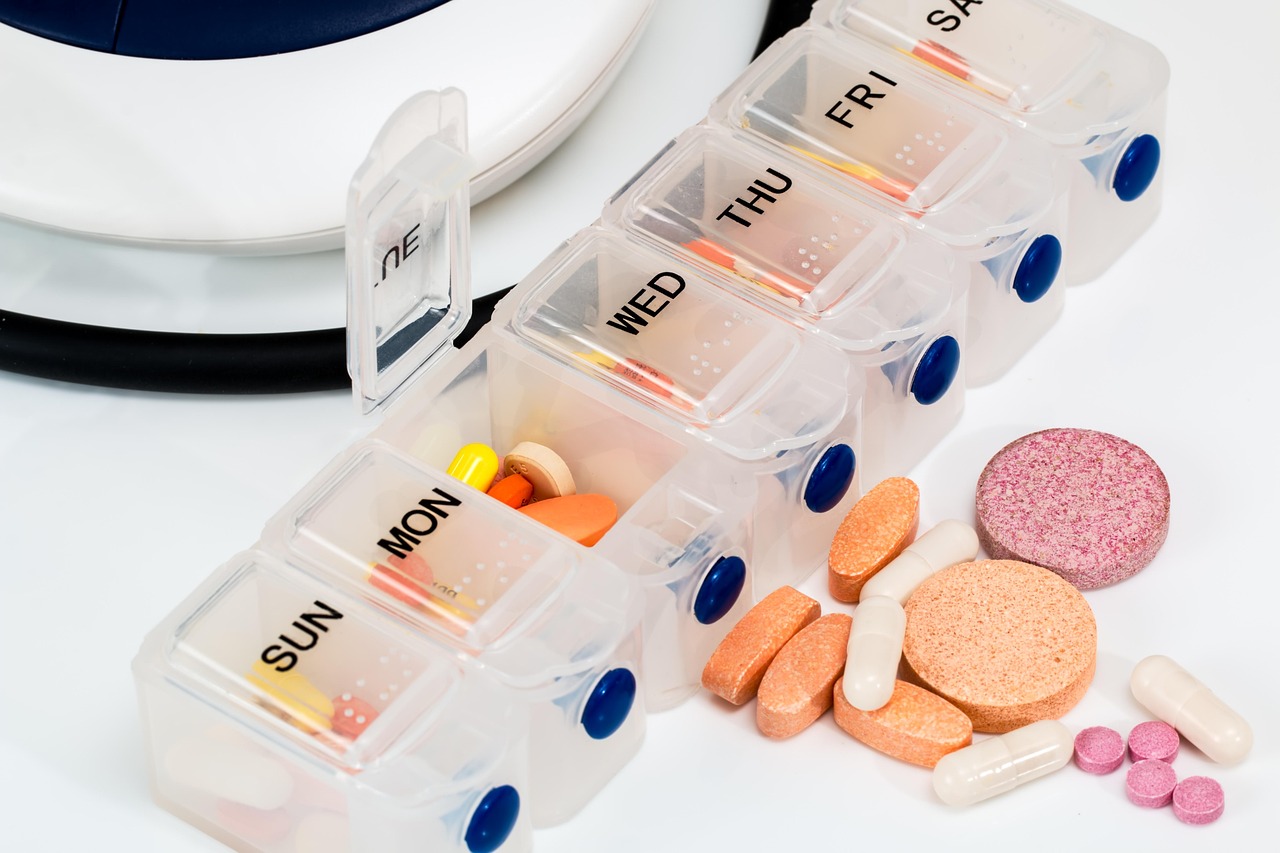
The week of Thanksgiving is when most people fall off their routine, because the bottle stays at home. I pre-sort my evening doses into an AM/PM Weekly Pill Organizer before I leave, so a full week of magnesium fits in my carry-on next to my toothbrush. Powders travel in a small zip bag with a scoop, though capsules are simpler for airport security.
If you’re flying overnight to see family, my friend over on our travel site has a whole system for actually sleeping on the plane. The red-eye survival guide pairs nicely with an evening dose taken at your destination’s bedtime, not your home one.
My Black Friday Shortlist
If you’re going to stock up during the sales, here’s exactly what I’d put in the cart, in order of priority. Buy one form, not three, and buy a size you’ll finish before it expires.
- Best for sleep and sensitive stomachs: Thorne Magnesium Bisglycinate Powder, or Pure Encapsulations Magnesium Glycinate if you prefer capsules.
- Best budget glycinate: Doctor’s Best High Absorption Magnesium.
- Best if digestion needs help: Natural Vitality Calm Magnesium Powder or NOW Foods Magnesium Citrate.
- Only if you’re curious: Life Extension Neuro-Mag Magnesium L-Threonate.
- For the ritual, not the magnesium: Dr Teal’s Epsom Salt Soaking Solution.
- Food top-ups: Organic Raw Pumpkin Seeds and Lindt Excellence 85% Cocoa Dark Chocolate.
- To stay consistent: AM/PM Weekly Pill Organizer and, if you love data, the Withings Sleep Analyzer.
Skip the 500 mg oxide tablets, skip anything promising to fix your mood in a week, and skip the gummy if the label shows only 25 or 50 mg of magnesium per serving and a few grams of sugar. That’s candy with a mineral sprinkled on top.
The Bottle Is the Last Step
The clients who get the most out of magnesium are never the ones who bought the fanciest form. They’re the ones who added pumpkin seeds to breakfast, picked one sensible supplement, took it at the same time every night and kept the rest of their evening calm enough for it to matter. That’s not a flashy answer, but it’s the one that holds up in December, when the parties stack up and the light is gone by five.
So this week, before the banners start flashing, go find the bottle you already own. Turn it around. Read the number next to the word magnesium. Then decide, calmly and on your own schedule, whether it’s doing the job you want. I’ll be over here with my warm mug, half a scoop in, cheering you on.