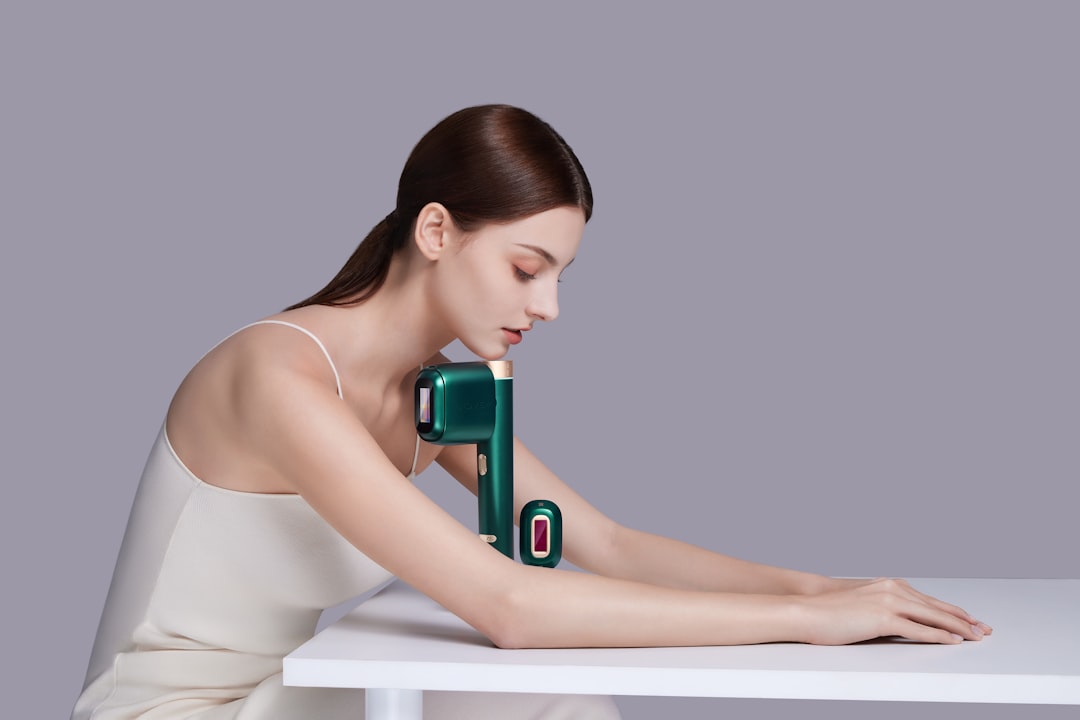
I remember my first massage gun. It was 2019, it cost about forty dollars, and it vibrated with all the finesse of a jackhammer that had lost its will to live. I used it twice, shoved it in a drawer, and went back to my foam roller like a civilized human. Five years later, the category has evolved so dramatically that I sometimes wonder if my old drawer-dweller and the devices I test today are even related. They’re not. And if you’ve been sitting on the sidelines, assuming these are still just fancy vibrators for sore quads, this is the year that changes everything.
My team and I have spent the last six weeks testing the newest wave of percussion recovery devices — ones that read your muscle tension, deliver targeted heat and cold, pair with near-infrared light, and adjust their routines based on biometric feedback. These aren’t incremental upgrades. They represent a fundamental shift in how we approach recovery at home.
The Convergence Moment: When Percussion Met Everything Else
For years, massage guns lived in a narrow lane: they hit muscles fast, muscles felt better, you moved on. Useful, sure, but limited. What happened in late 2025 and accelerated through 2026 is something I call “convergence” — manufacturers started building devices that combine multiple therapeutic modalities into a single tool. Heat therapy to increase blood flow and tissue elasticity. Cold therapy to reduce acute inflammation. Near-infrared light to stimulate cellular repair at the mitochondrial level. And pressure sensors that tell you, in real time, whether you’re actually helping the tissue or just bruising it.
The Theragun Pro (5th Generation) remains the device most people ask me about, and for good reason. Therabody’s flagship now combines percussion with vibration therapy, heat capable of reaching 131 degrees Fahrenheit, and near-infrared LED light — three modalities that, until recently, required three separate devices. The OLED display shows a live force meter, which sounds like a gimmick until you realize that most people press way too hard on sensitive areas and not hard enough on dense tissue like the glutes and hamstrings. The Bluetooth app builds routines based on your activity data if you wear a compatible tracker, and it’s genuinely useful rather than a novelty.
I tested it for two weeks after heavy training days — the kind where my hamstrings felt like they’d been put through a wringer. The heat-plus-percussion combination on my quads after hill sprints was transformative. Not in a marketing-department way. In a “I could actually walk down stairs the next morning” way. That matters when you’re trying to stay consistent with training in your forties and beyond.
Heat and Cold: The Game Changers Nobody Saw Coming
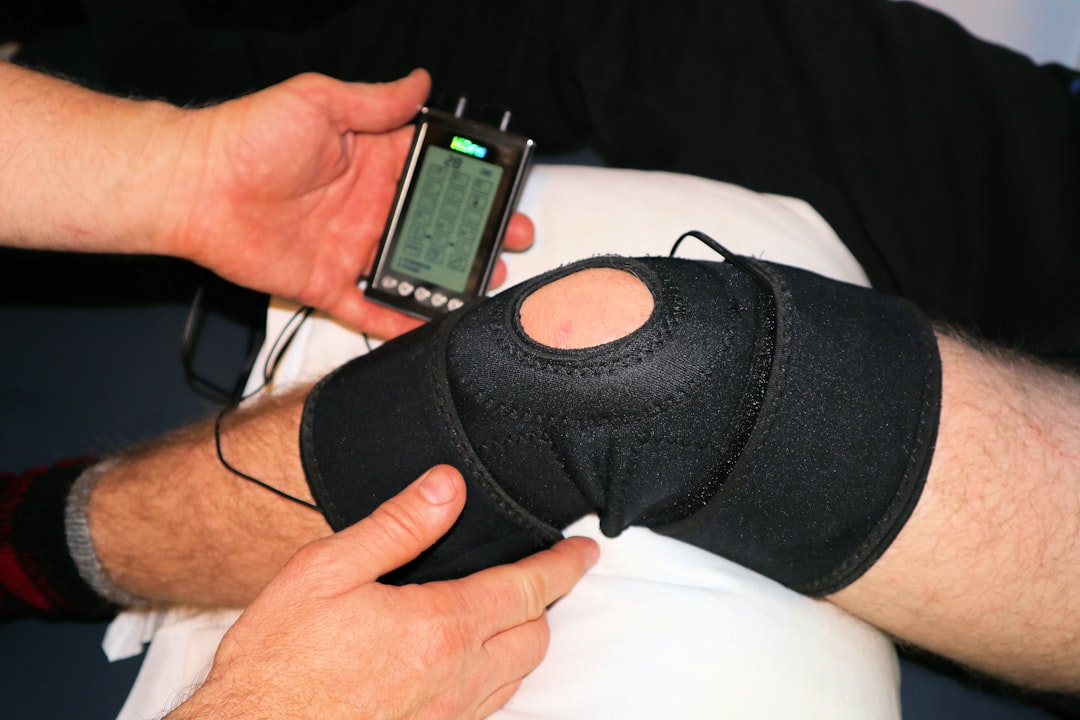
Here’s where 2026 gets genuinely exciting. Two devices landed on my testing table this summer that completely reframed how I think about temperature in recovery. The RENPHO Active Thermacool 2 offers intuitive heat and cold control in a single head — you switch between modes with a button press, and the transition happens in under than thirty seconds. Cold to calm acute soreness, then heat to promote blood flow and flush metabolic waste. It’s the kind of thing that used to require an ice bath followed by a heating pad, and now it fits in your hand.
The BOB AND BRAD A7 Pro takes a similar approach, and I was genuinely impressed by how quickly the temperature heads respond. The physical therapists behind the brand clearly understood that most people skip recovery because it’s inconvenient, not because they don’t care. Combining thermal therapy with percussion removes steps. Fewer steps mean it actually happens.
If you’ve been following my recovery protocols, you know I’ve long been an advocate for compression boots as a cornerstone of post-workout recovery. What I’ve found is that smart percussion with thermal therapy complements compression beautifully — the percussion addresses localized tension that compression can’t reach, while compression handles systemic fluid movement. They’re partners, not replacements.
The Mini Revolution: Pocket-Sized Intelligence
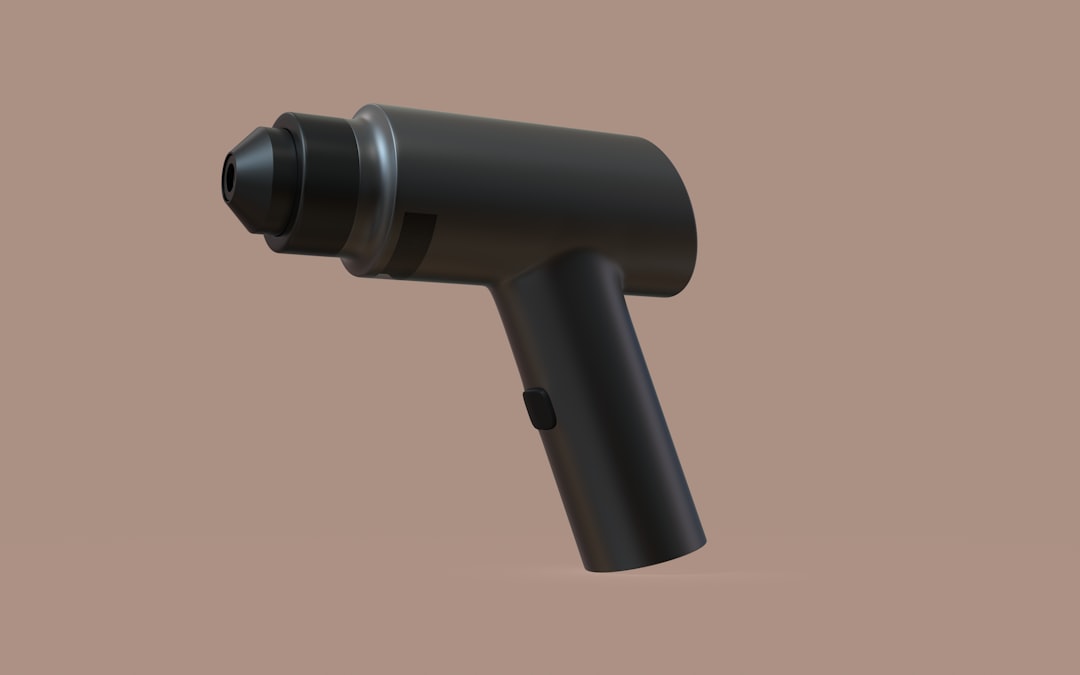
Not everyone needs — or wants — a $600 device. One of the most encouraging trends of 2026 is how much intelligence has trickled down to the compact category. I’ve been carrying the Theragun Mini Plus with Heat in my gym bag for a month now, and it’s become the device I reach for most often. It’s not because it’s the most powerful. It’s because it’s there. The best recovery tool in the world is worthless if it’s sitting at home when you need it at the track.
The Mini Plus added a heat function this year, which elevates it from “nice to have” to “genuinely therapeutic.” After a long run, spending five minutes with the heat-enabled head on my calves while stretching has become non-negotiable. It’s small enough that I’ve used it in airport parking lots, at my desk between coaching sessions, and once, embarrassingly, during a Zoom call when nobody could see below my waist.
For those watching their budget, the TOLOCO deep tissue massage gun remains the value champion. It doesn’t have the thermal features or app integration, but the build quality and percussion depth punch well above its price point. I recommended it to three of my YMCA class participants last month, and all three came back asking why they’d waited so long to try one.
Building a Smarter Recovery Protocol
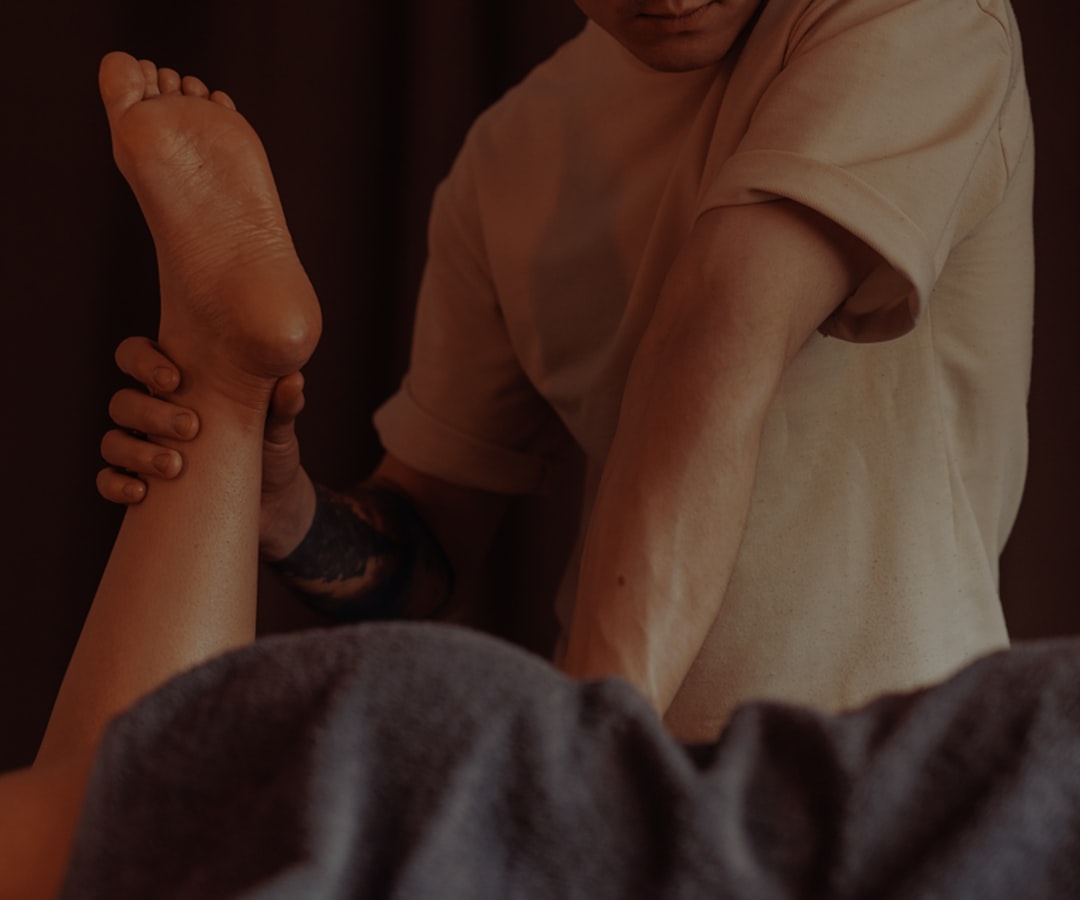
After six weeks of testing, my team and I settled on a protocol that combines the best of what these devices offer. Here’s what actually works, stripped of the marketing fluff.
Minutes 0–5: Cold percussion on hot muscles. Right after training, while your core temperature is elevated, use cold-mode percussion on the primary muscle groups you trained. Thirty seconds per muscle belly, moving systematically. This calms acute inflammation without shutting down the adaptive response you just stimulated. The heat-and-percussion devices with dual modes shine here because you can switch from cold to heat without changing tools.
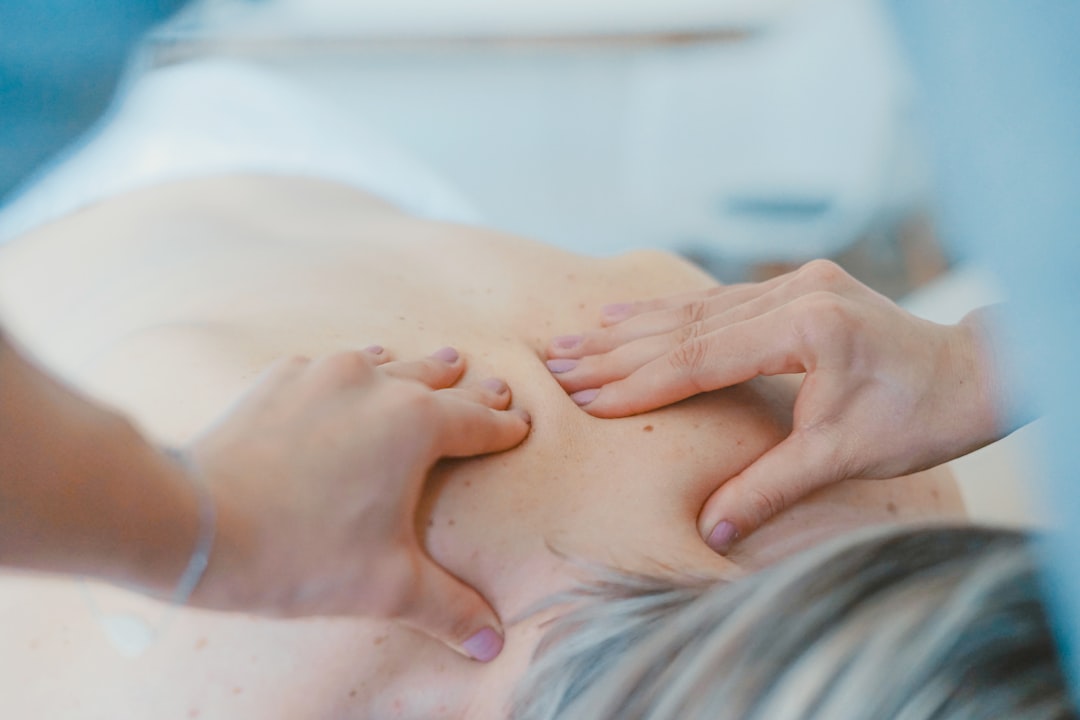
Minutes 5–15: Heat-assisted deep tissue work. Switch to heat mode and slow your speed. This is where you address the stubborn spots — the hip flexors that tighten from sitting, the calves that scream after hill work, the shoulders that carry stress you didn’t realize you were holding. The heat increases tissue elasticity by up to 30%, which means you can work deeper with less discomfort and better results.
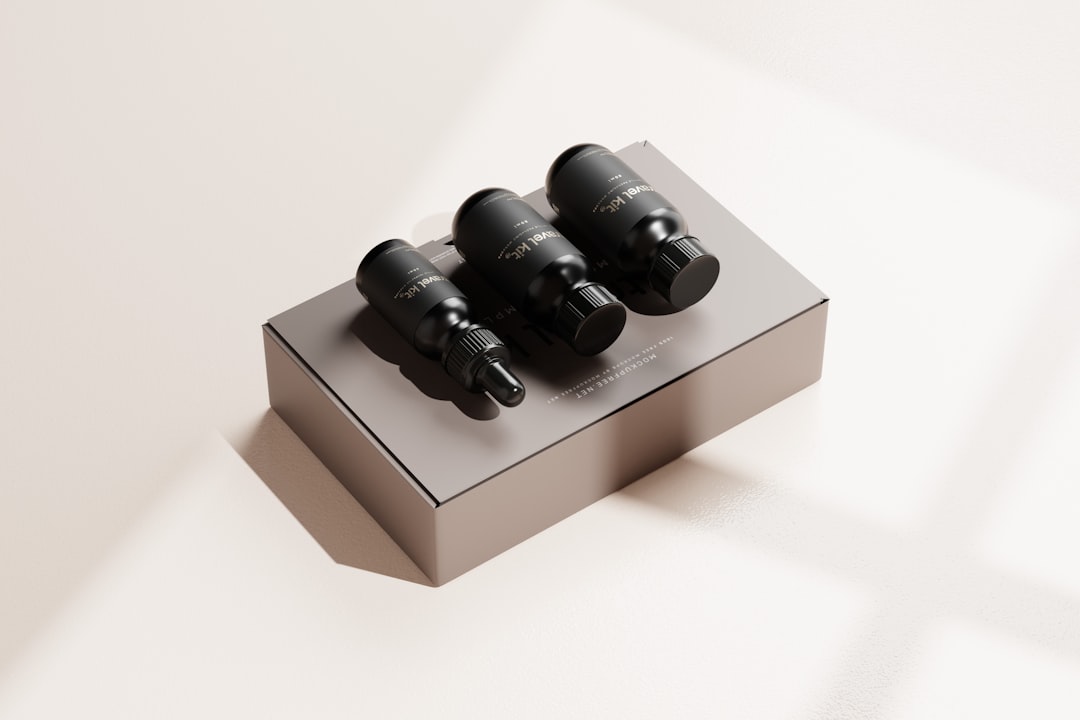
The right attachment matters enormously here. Most devices ship with four to six heads, and most people use the same one for everything. Don’t. The ball head is for large muscle bellies. The flat head is for denser tissue like the IT band. The fork is for the spine and Achilles. The bullet is for trigger points — use it sparingly and never on bony areas. If your device didn’t come with a good selection, the BOB AND BRAD Q2 Mini includes a thoughtful attachment set that covers the essentials without overwhelming.
Minutes 15–20: Systemic recovery. This is where I pair the percussion work with my red light therapy panel for full-body recovery. The combination of mechanical stimulation and photobiomodulation addresses recovery from two completely different angles — one structural, one cellular. I’ve been documenting this stack for months now, and the synergy is real. If you missed my deep dive on what sixty days of red light therapy actually does, that article breaks down the data in detail.
What the Pressure Sensors Actually Tell You
This is the feature I was most skeptical about, and it’s the one I now consider essential. When I first saw a force meter on a massage gun display, I rolled my eyes so hard I could see my brain. Then I started using it.
Here’s the uncomfortable truth: most people — including experienced athletes — press too hard on small muscles and not hard enough on large ones. The research on optimal percussion depth suggests that effective treatment requires between 13 and 18 pounds of force for dense tissue groups like the glutes and hamstrings, and significantly less — around 4 to 8 pounds — for areas like the neck, calves, and forearms. Without a force meter, you’re guessing. And most people guess wrong in the direction that feels productive but actually causes microtrauma.
The Theragun Relief model offers a simpler version of this feedback — three optimized speeds rather than a live force meter — and for many users, that’s actually a better starting point. The full force display on the Pro models can feel overwhelming if you’re new to percussion therapy. Start simple, learn what your body responds to, then graduate.
The Budget Question: What Actually Matters
I get asked constantly whether someone needs to spend flagship money to get meaningful results. The honest answer is no — but there’s a floor. Devices under $50 tend to have underpowered motors that stall when you apply pressure to dense tissue, which defeats the entire purpose. They also tend to run at fixed speeds that aren’t optimized for therapeutic benefit.
The sweet spot for most people is the $100–$200 range, where you get legitimate brushless motors, multiple attachments, and adequate stall force. The RENPHO Mini Thermal with Heat sits right at the top of this range and includes the thermal feature that I consider the single most valuable upgrade of 2026. It’s the device I’d buy first if I were starting from scratch.
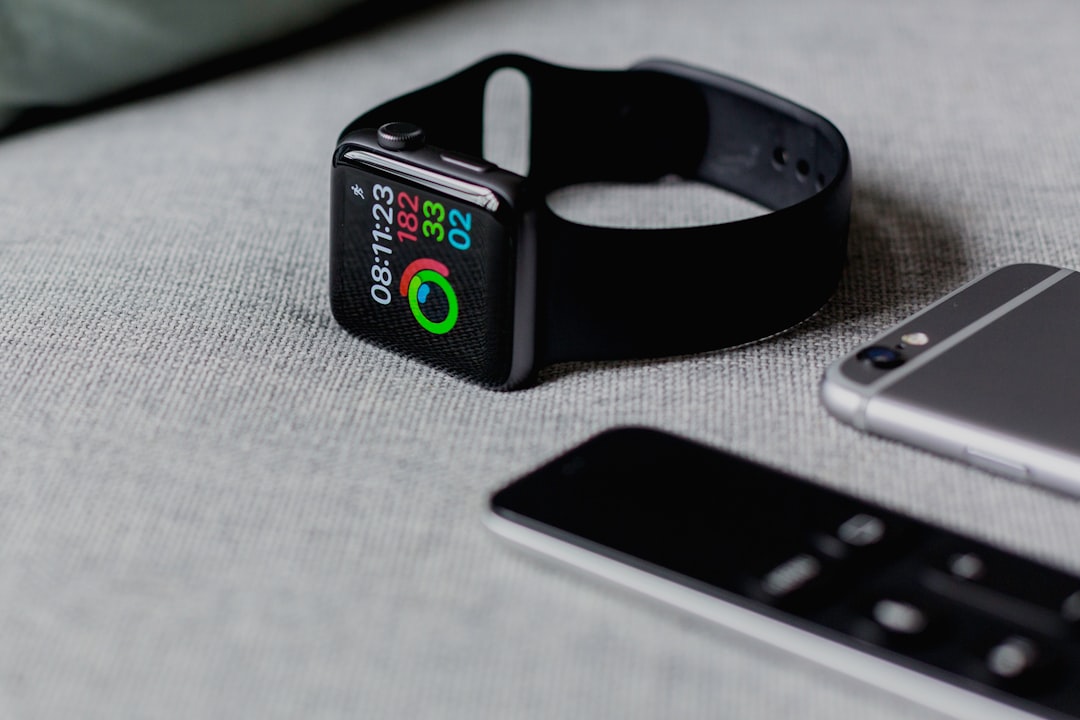
For those who train hard and frequently — four or more sessions per week, or anyone dealing with chronic muscle tension — stepping up to a device with app integration and live feedback is worth the investment. The data isn’t just for data’s sake. When you can see that you consistently under-treat your left hamstring (true story, for me), you can correct the imbalance before it becomes an injury. That’s worth real money.
The Verdict After Six Weeks
The massage gun category has matured from a novelty into a legitimate therapeutic tool, and 2026 is the inflection point. The convergence of percussion with thermal therapy, biometric feedback, and light therapy means that a single, well-designed device can now replace what used to require a clinic visit. That doesn’t mean it replaces your physical therapist — nothing in a drawer replaces a skilled human assessment — but it does mean your daily recovery routine just got dramatically more effective.
My personal stack right now: the Theragun Pro for heavy recovery days, the Mini Plus for everything else, and my recovery footwear for the hours in between. It’s a system that works because each piece addresses a different layer of recovery — cellular, structural, and systemic. And unlike that vibrating brick from 2019, none of them live in a drawer.
If you’ve been waiting for a sign that percussion therapy grew up, this is it. The technology is real, the benefits are measurable, and the prices have finally reached a point where there’s something genuinely worth buying at every budget level. Your muscles have been asking for this. Maybe it’s time to listen.



One comment on “When Percussion Met Heat: How Smart Recovery Guns Quietly Replaced My Entire Tool Kit in Six Weeks”