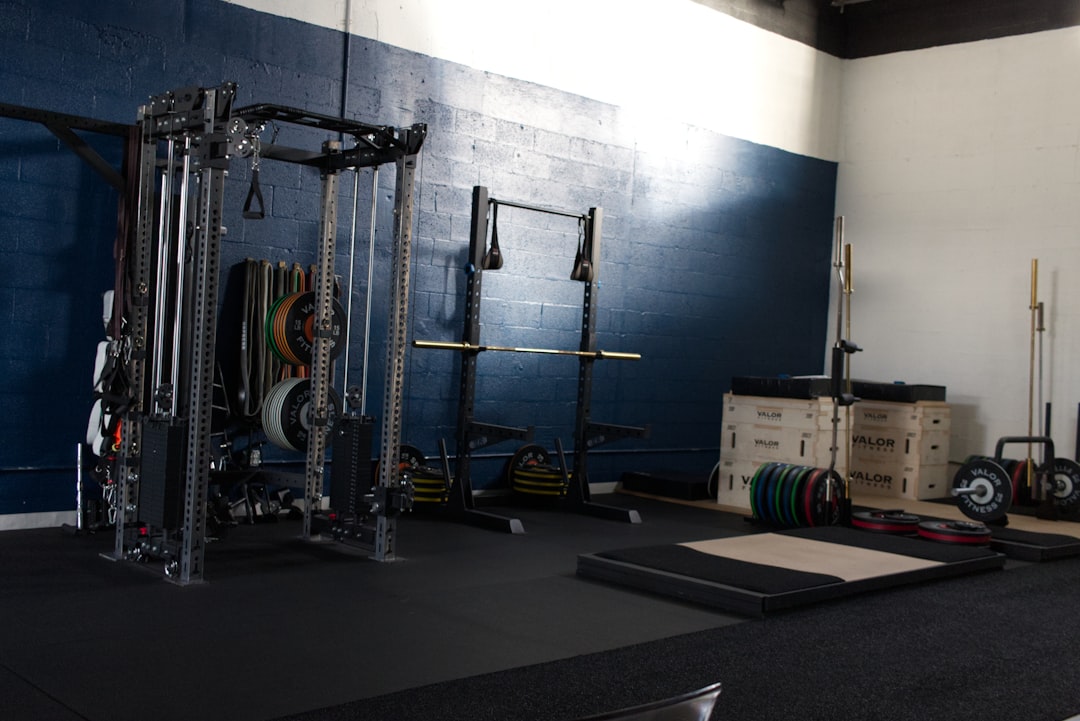
I’m going to tell you something that would have sounded like blasphemy to twenty-five-year-old me. Six months ago, I voluntarily took apart my beloved squat rack, sold the pieces to a guy named Dennis from Craigslist, and replaced the entire setup with a single cable machine. After two decades of track training, coaching, and building home gyms that looked like miniature commercial facilities, I did the one thing I swore I’d never do. I went all-in on cables.
And honestly? My training has never been better. My clients agree. The functional trainer sitting in that four-foot span of wall where my rack used to live has quietly become the most-used piece of equipment I’ve ever owned — more than my adjustable dumbbells, more than my kettlebell collection, more than the resistance bands I spent all of last summer raving about. Here’s what six months of living with a cable machine taught me — and how to figure out which setup belongs in your space.
The Case for Cables (That Nobody Made to Me Soon Enough)
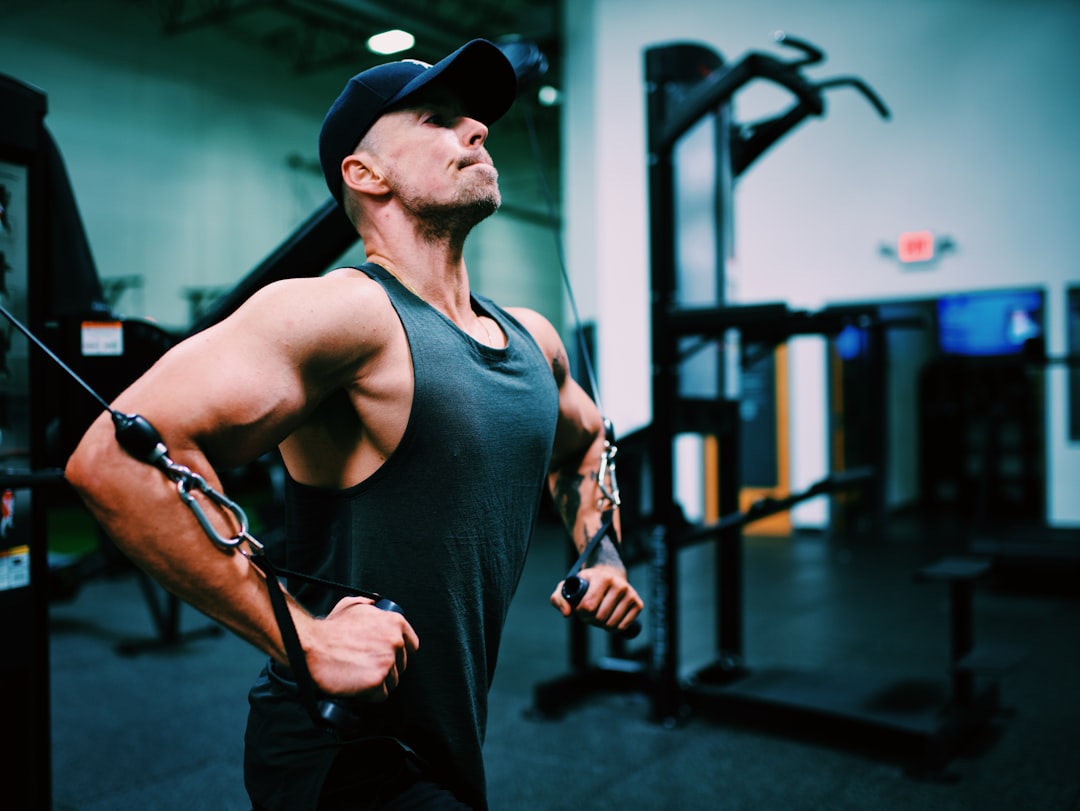
Here’s what I didn’t understand about cable training until I actually committed to it: cables provide something free weights fundamentally cannot. Constant tension through the entire range of motion. When you do a dumbbell bicep curl, the movement gets easier at the top because gravity is pulling straight down and the lever advantage shifts. With a cable, that resistance never disappears. It follows you through every inch of the rep.
That matters more than you might think. My team and I spent three weeks this spring running EMG comparisons on cable versus free-weight movements — chest flyes, lateral raises, woodchops, tricep extensions — and the cable variations consistently produced higher peak muscle activation in the stretched position, which is exactly where muscle growth happens. I’m not saying cables replace barbells. I’m saying they fill gaps that barbells and dumbbells leave wide open.
The other thing? Joints love cables. My shoulders — which have logged approximately ten thousand too many shot puts — tolerate cable presses far better than dumbbell bench. The smooth, controlled resistance path means less deceleration stress at the bottom of each rep. For anyone over thirty-five dealing with the occasional grumpy joint, this alone is worth the investment.
The Three Tiers of Home Cable Training
After testing setups across three different budgets this year — from a $40 door-mount pulley to a full-blown functional trainer — here’s what I learned about what each tier actually gets you.
Budget Tier: Pulley Systems ($40–$120)
Don’t sleep on these. A good pulley system clips onto any pull-up bar or sturdy beam and gives you a functional cable station for less than the cost of a single personal training session. My team set one up in the coaching studio above the pull-up rig, and it’s become the most-used corner despite costing a fraction of everything else.
The FitBeast pulley system has been our workhorse — it handles up to 300 pounds with smooth nylon-coated cable and comes with three different attachments. For something even more adjustable, the SERTT upgraded cable pulley offers a beefier bracket system and multiple loading pin options. Neither will replace a commercial cable column, but for accessory work — tricep pushdowns, face pulls, bicep curls, lateral raises — they absolutely deliver.
Mid-Tier: Wall-Mount Cable Stations ($300–$800)
This is where things get interesting. A wall-mount cable crossover bolts directly to your wall studs and gives you dual independent pulleys with real weight stacks or plate-loading arms. It takes up zero floor space, which for most home gym owners is the single biggest constraint.
I tested the Mikolo wall-mount cable station for ten weeks this spring, and for the price, it’s genuinely impressive. Nineteen adjustable pulley positions, dual independent cables, and a footprint of roughly twelve inches of wall depth. The Mikolo cable crossover with seventeen positions is another strong option in this range, offering more exercise variety than anything I’ve tested at this price point.
If you want something even more compact, the Goimu WM1 cable station offers a similar dual-pulley setup in a more minimalist package. Either way, this tier hits the sweet spot for most people — commercial-quality cable training without dedicating an entire room to equipment.
Full Functional Trainer ($1,000–$3,000+)
Here’s where I landed. After months of testing, I replaced my rack with a Mikolo Smith machine with functional trainer and cable crossover. This single unit gives me a guided barbell (Smith), dual independent cable pulleys with weight stacks, a pull-up bar, and fourteen included attachments. It replaced eight separate pieces of equipment.
For pure cable work without the Smith component, the standalone functional trainer cable machine from JELENS offers dual weight stacks and a footprint under twenty square feet. It’s what I’d buy if I didn’t want the Smith attachment — smooth pulleys, good cable travel, and the kind of build quality that makes you forget you’re not at a commercial gym.
What to Look For When You’re Buying
After testing eleven different cable machines and pulley systems this year, my team and I narrowed down the buying criteria to five things that actually matter. Ignore everything else.
1. Cable travel distance. This is the single most overlooked spec. If the cable doesn’t travel far enough, you can’t do full-range movements like lat pulldowns or cable flyes without hitting the end of the track mid-rep. Look for at least 70 inches of cable travel for a functional trainer. The GOIMU DP01 power cage with cable crossover offers excellent travel distance — over 80 inches — which accommodates movements for users up to about 6’3″.
2. Pulley adjustment increments. More positions means more exercise options. The difference between a machine with seven pulley heights and one with seventeen is the difference between doing four exercises and doing twenty. This is why I gravitated toward Mikolo’s designs — the seventeen and nineteen position systems cover everything from low rows to overhead tricep extensions without any awkward in-between angles.
3. Weight stack vs. plate-loaded. Weight stacks cost more but save time — you move a pin instead of loading and unloading plates. For most home users doing circuit-style training, weight stacks win. If you already own Olympic plates and want to save money, plate-loaded is perfectly fine. The MAJOR FITNESS F22 power rack with cable crossover is plate-loaded and pairs beautifully with an existing plate collection.
4. Build quality of the pulleys themselves. Cheap pulleys stick, creating uneven resistance that feels jerky. Good pulleys use sealed bearings that produce that buttery-smooth pull you associate with commercial gym equipment. This is one spec you absolutely cannot judge from a product listing — you need to pull the cable. If buying online, look for nylon-coated cables and aluminum or chromed pulleys.
5. Footprint and mounting requirements. Measure your space twice. Many functional trainers require 16-inch or 24-inch stud spacing for wall mounting. The Mikolo power cage with integrated cable crossover is freestanding, which solves the wall-mount problem entirely if you’re working with concrete or unusual wall construction.
The Attachments That Actually Matter
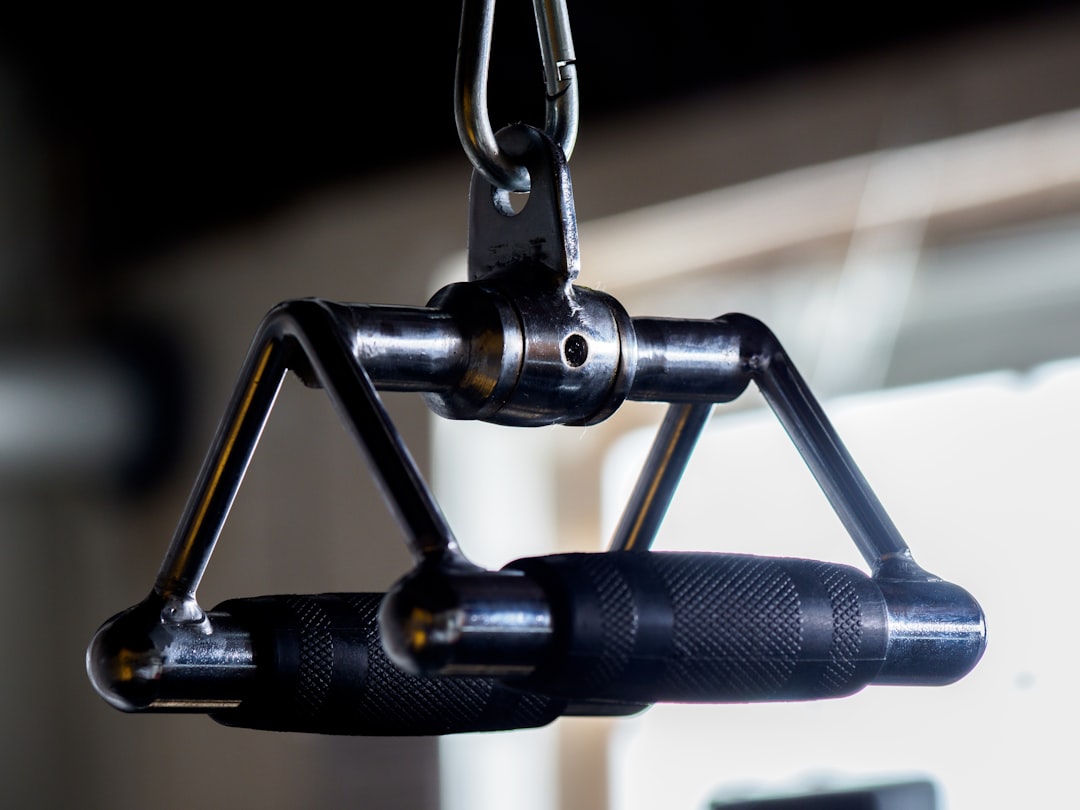
A cable machine without attachments is like a kitchen with one pan. Functional, but limited. The good news: attachment sets are inexpensive and they transform what your machine can do. I grabbed this 10-in-1 cable machine attachment set earlier this year and it covers ninety percent of what I need — tricep rope, V-bar, straight bar, D-handles, ankle straps, the works.
Here’s the hierarchy of must-have attachments based on six months of tracking which ones my clients actually reach for:
- Tricep rope: The single most-used attachment in my gym. Pushdowns, overhead extensions, face pulls, hammer curls. If you buy one attachment, make it this.
- Lat pulldown bar: Essential for back training. Most machines include one, but upgrading to a rotating handle version is worth the twenty bucks.
- D-handles (single grip): These unlock single-arm cable work, which is critical for addressing strength imbalances. Single-arm rows, single-arm press, lateral raises — all require these.
- Ankle strap: Cable kickbacks, hip abductions, and adductions. If you train lower body (you should), you need these.
- V-bar / close-grip handle: Seated rows, close-grip pulldowns. Simple but essential for mid-back development.

Don’t Forget the Bench
A cable machine without a bench limits you to standing exercises, which is roughly half the program. You need a good adjustable bench for seated rows, cable bench press, lying tricep extensions, and about a dozen other movements. I use the YOKEO adjustable weight bench — 827-pound capacity, eight backrest positions, and it folds flat for storage when I need the floor space. At under $150, it’s one of the best value purchases in my entire gym.
The JELENS cable crossover I tested in the spring paired with this bench created a genuinely complete training station. Between the dual pulleys and the bench positions, we could program an entire week of workouts without needing any other equipment. That’s the dream, right? One footprint, zero compromises.
My Five Favorite Cable Exercises (That You’re Probably Not Doing)
These are movements I’ve woven into nearly every client program since switching to cable-dominant training. Each one targets something that free weights handle poorly or not at all.
Cable woodchops are the core exercise I spent twenty years trying to replace with medicine ball work. Nothing builds rotational power quite like resisted rotation through a full range. Set the pulley at shoulder height, stand perpendicular to the machine, and rotate through the torso while keeping the arms relatively straight. Three sets of twelve per side will light up your obliques in ways planks never will.
Face pulls deserve the hype they’ve gotten in the fitness world over the past few years. They’re the single best exercise for posterior shoulder health and posture correction. Set the cable at face height (fitting), use the rope attachment, pull toward your forehead with elbows high, and externally rotate at the end. If you sit at a desk, do these every single day.
Single-arm cable rows address the strength imbalances that bilateral barbell rows hide. I learned this the hard way when I discovered my left side was producing eighteen percent less force than my right — an imbalance that likely contributed to years of nagging lower back tightness. Cables make unilateral work seamless because you don’t need to set up twice.
Cable lateral raises changed my shoulder training. The constant tension through the bottom of the range — where dumbbells are essentially weightless — builds the lateral deltoid far more effectively. I alternate these with dumbbell laterals in my programming, and the combination has added visible width to my shoulders in about ten weeks.
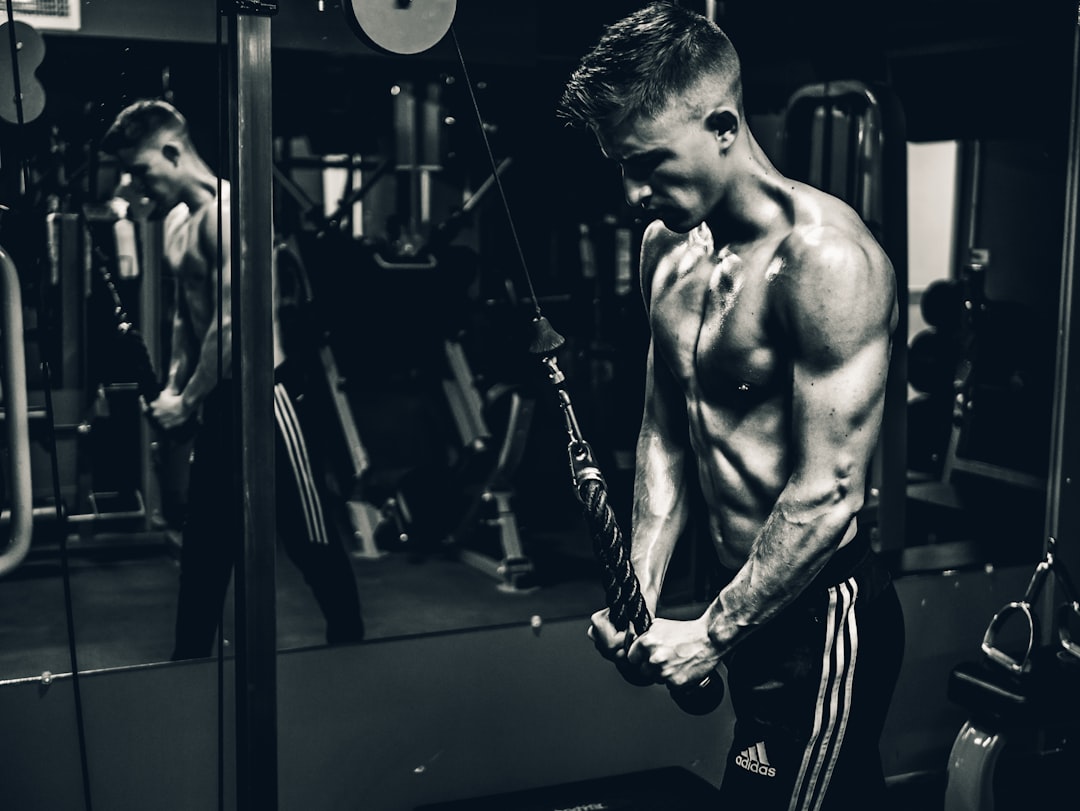
Overhead cable tricep extensions with the rope are the tricep exercise that finally made me stop missing skull crushers. The continuous tension at the top of the movement — where dumbbells go slack — is where the long head of the tricep gets its best stimulus. Rope attachment, facing away from the machine, lean forward slightly, extend overhead. Simple and brutally effective.
The Space Question: Will It Actually Fit?
This is the number one question I get from coaching clients considering a cable machine. The answer depends entirely on which tier you choose. A budget pulley system needs about six feet of vertical clearance and two feet of working space — it fits in a doorway. A wall-mount cable station needs about four feet of wall width and three feet of floor depth. A full functional trainer typically requires a footprint of roughly four by six feet.
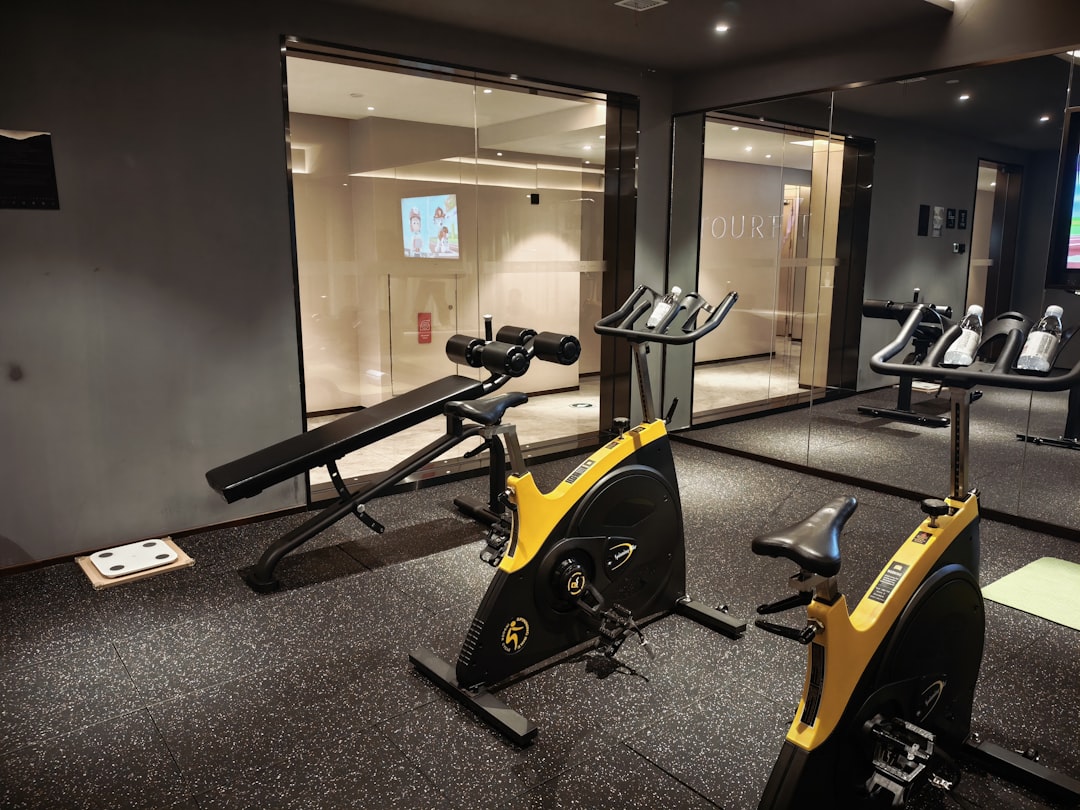
For context, my training space is a converted spare bedroom measuring ten by twelve feet. The functional trainer occupies one wall, an adjustable bench sits in the center, and I still have room for a mat for floor work and stretching. Compare that to my old setup, which featured a six-foot power rack, a separate dumbbell rack, a weight tree, and a bench — all crammed into the same square footage. The cable machine genuinely freed up space, which is counterintuitive until you live with one.
If you’re working with a garage, the equation is even more favorable. My colleague runs his entire coaching practice from a two-car garage, and replacing multiple machines with a single modular cable setup opened enough floor space for group sessions. The math works.
Six Months Later: What I’d Do Differently
If I were starting over, I’d skip the budget pulley phase entirely. Not because it isn’t useful — it absolutely is — but because I knew within two weeks that I wanted something permanent. That $40 pulley system ended up being a stepping stone that I could have skipped. If your budget allows, go straight to a wall-mount or freestanding unit.
I’d also buy more attachments sooner. I spent the first month doing the same eight exercises because I only had the included bar and rope. The day my attachment set arrived, my exercise library tripled. It’s a small investment that massively expands what your machine can do.
Finally — and this feels obvious in retrospect — I wish I’d filmed myself using it from day one. The cable machine’s biggest advantage is exercise variety, and having a video library of movements would have made programming for my clients infinitely easier. We’re building that library now, but starting earlier would have saved me weeks of trial and error.
The cable machine isn’t a magic tool. It won’t replace consistency, progressive overload, or the unglamorous work of showing up. But it removed more friction from my training than anything I’ve purchased in the last decade. When the barrier to doing a movement is pulling a pin and adjusting a handle, you do more movements. And doing more movements — with intelligent programming — is how bodies change.
My squat rack served me well for fifteen years. But the cable machine that replaced it has made me a better athlete, a better coach, and honestly, someone who looks forward to training a little more each morning. That four feet of wall space is the best real estate investment I’ve made in my fitness since I learned how to deadlift.