Let me set the scene. It’s a Tuesday night in July, my windows are open because the bedroom hits 80 degrees without the breeze, and my sister — visiting for the week — knocks on my door at 6 a.m. holding her phone like evidence at a trial. On the screen is a voice memo. Someone is snoring with the conviction of a foghorn. That someone, I learned in one horrifying second, is me.
I’ve spent twenty years teaching people how to breathe better during workouts. Diaphragmatic breathing, nasal-only intervals, box breathing before competition. And apparently, for six or seven hours a night, I was undoing all of it through an open mouth. So I did what any self-respecting coach does: I turned myself into the experiment. Thirty nights, a small pile of adhesive strips, and a sleep tracker that never lies.
The fix cost me less than a post-workout smoothie. The results, honestly, surprised my whole team.
Your Nose Is Not Optional Equipment
Here’s the physiology nobody explains at the mattress store. Your sinuses produce nitric oxide — a molecule that helps widen blood vessels and improve oxygen delivery — and that production only happens when air moves through your nasal passages. Breathe through your mouth and you skip the benefit entirely, like ordering a smoothie and drinking only the foam.
Nasal breathing also warms, filters, and humidifies every breath before it reaches your lungs. Mouth breathing bypasses all three, which is why chronic mouth breathers wake up with a sandpaper tongue, a scratchy throat, and breath that could peel paint. There’s a reason sleep researchers keep circling back to this: a 2025 systematic review in PLOS One found that while the evidence is still maturing, some studies showed meaningful improvements in snoring and nighttime breathing markers when mouth breathers switched to nasal breathing. It’s not magic. It’s plumbing.
When I first started digging into this, I assumed mouth taping was another TikTok stunt with a medical-sounding backstory. Then I watched a breathing workshop at the YMCA where I coach, taught by a respiratory therapist who tapes half her clients’ mouths during rest intervals. Their heart rates dropped faster. Their recovery between rounds improved. She shrugged like it was obvious. It took me a week of reading to agree with her.

The Morning Clues You’re Sleeping Open-Mouthed
Before you tape anything, confirm the problem. My team and I put together a quick self-audit, and if you check even two of these boxes, you’re almost certainly a nighttime mouth breather:
- You wake up thirsty — genuinely parched, chugging water before coffee.
- Your pillow has a suspicious drool spot more mornings than not.
- You snore, or a partner has gently (or not gently) informed you that you do.
- Your throat feels raw on waking even when you’re not sick.
- You wake with bad breath that brushing barely dents.
I checked four out of five. The drool spot was, in retrospect, a years-long clue I’d been laundering rather than investigating.
The thirst one deserves a special mention, because it creates a vicious cycle. Mouth breathing dehydrates you overnight, so you wake and drink more, so you wake again to use the bathroom, so your sleep fragments even further. My morning hydration routine used to be a full 32-ounce chug before I felt human. By week three of taping, I was sipping half that and feeling better. When your baseline hydration is wrecked every night, no amount of morning catch-up fully fixes it — and if you train in summer heat like I do, this matters double.

Night One: Panic, Then a Breathing Vent
I won’t pretend the first application was graceful. There is something deeply primal about sealing your own mouth shut while fully conscious, even when you know you can rip the tape off in a second. My advice: start with a vented strip designed for sleep training rather than plain medical tape. The small mesh window over your lips does two things — it lets you get used to the sensation with a safety margin, and it forces a gentle lip closure rather than a clamp.
Night one, I lasted ninety minutes before I peeled it off in a half-asleep huff. Night two, three hours. By night five, I forgot it was there. Adaptation is faster than you’d expect, but it isn’t instant, and pushing through the first week is where most people quit. One of the runners I coach taped for the first time on a Sunday, hated it, and texted me Monday asking for a refund on my advice. She lasted fourteen nights. Now she buys the stuff in bulk and claims it fixed her afternoon energy crashes.
A quick word on technique, because placement matters. Dry your lips first — tape will not hold on balm or saliva. Place the strip vertically over the center of closed lips, smooth it down, and do ten slow nasal breaths before lights out to set the pattern. My system now takes ninety seconds, and I’ve stopped thinking of it as a chore and started thinking of it as brushing my teeth for my airway.
Thirty Nights of Data, One Honest Verdict
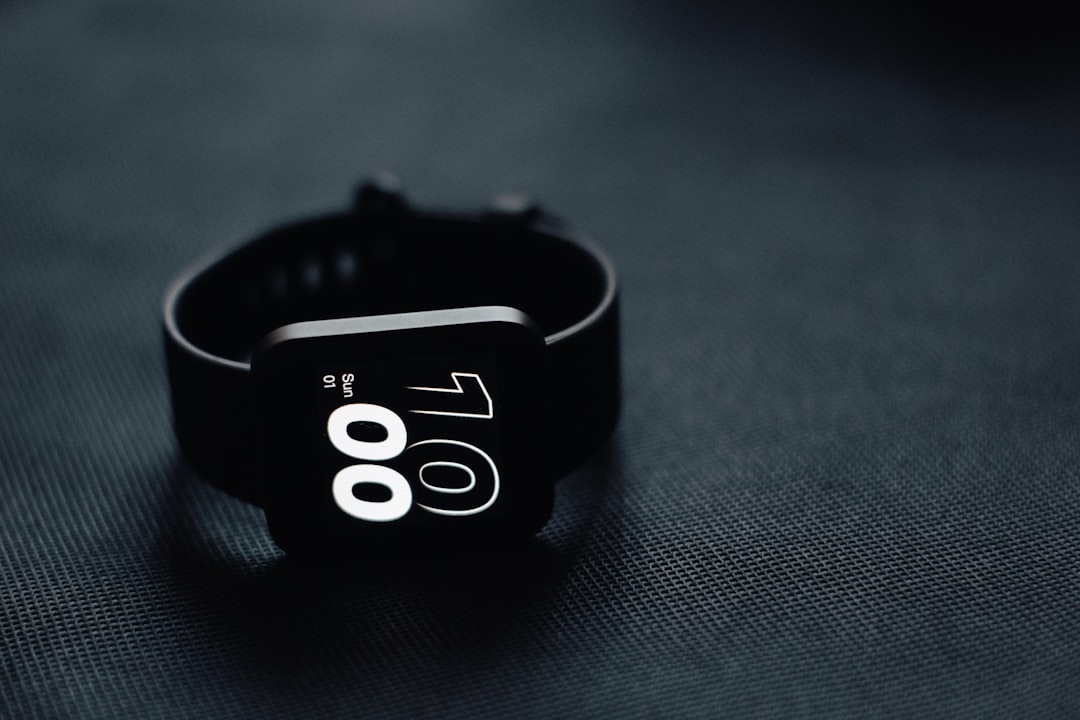
I tracked everything, because that’s how my brain relaxes. Using the same wearable I’ve worn for the past year — the one that survived my thirty nights of sleep tech testing — I watched four markers for a month: time to fall asleep, deep sleep percentage, nighttime wake-ups, and morning resting heart rate.
Time to fall asleep barely moved, and I want to be honest about that. What changed was everything after. My wake-ups dropped from an average of three per night to fewer than one. My deep sleep percentage climbed from a stubborn 14 percent to 19 percent by week three and held there. My morning resting heart rate fell four beats per minute — small, but for someone with two decades of training data, four beats is a shout. My snoring, per my sister’s follow-up audio investigation, dropped to a faint rustle.
The subjective changes arrived before the numbers did. I stopped waking at 3 a.m. for no reason. My first thought in the morning became “let’s go” instead of “where’s the water.” And my recovery scores stopped cratering on nights after hard training sessions. If you want the full picture of how much sleep quality drives everything else in a training block, go back and read my piece on the boring habits that beat every gadget I tested — this experiment fits squarely in that family. Cheap, unglamorous, absurdly effective.
What I Actually Liked: A Quick Field Guide to Tape
Over the month, I worked through most of the popular options, plus a couple my team ordered “for science.” Here’s the short version of what we found.
The budget tester. If you’re curious but noncommittal, 3M Micropore paper tape is the gateway drug — a few dollars for a roll that lasts months. It’s gentle, it breathes, and it comes off without exfoliating you. The downside: zero stretch, so a big yawn can break the seal, and it can feel clinical. Perfect for a one-week trial.
The everyday workhorse. Once I knew the habit would stick, I moved to purpose-built strips. A vented 60-count pack with a breathing hole became my default — the vent kept the anxiety low, the adhesive survived sweaty August nights, and the per-night cost landed around 25 cents. SomniFix — here’s the search link — is the name most sleep doctors mention, and their strip is genuinely excellent if you want the premium version of the same idea.
The sensitive-skin picks. Two teammates with reactive skin ran into irritation by week two. One switched to a hypoallergenic comfort tape with pain-free removal and stopped noticing it entirely. The other, who also dislikes anything over her lips, preferred Myotape’s perimeter design, which tugs the lips closed from the skin around the mouth instead of covering them — clever solution for the claustrophobic, and popular with parents taping kids who mouth-breathe.
The bulk buy. If you’ve already converted and want the cost per night near zero, 60-count training tape packs run the math down to pennies. And for partners of snorers: a gentle, latex-free tape plus a box of nasal strips has saved more marriages in my friend group than any anniversary gift.

Who Should Not Tape (Read This Part Twice)
Now the safety paragraph, because I’m a coach, not a TikTok influencer. If you cannot breathe comfortably through your nose, taping your mouth shut is not a hack — it’s a mistake. A deviated septum, chronic congestion, allergies in full bloom, or undiagnosed sleep apnea all disqualify you until they’re addressed. Remember: the tape is a reminder, not a pressure test. If you can’t nasal breathe comfortably while awake and relaxed for ten slow breaths, fix that first, then tape.
The research reflects this caution, too. That same systematic review found mixed results across studies, and experts consistently warn that mouth taping is not a treatment for obstructive sleep apnea — if you suspect apnea, a sleep study comes before any adhesive. On congested nights, I simply skip the tape and sleep elevated. I also pair allergy season with a saline rinse before bed; the difference in nasal airflow is immediate. And no, alcohol plus tape is not a combination to experiment with. Restraint is part of the protocol.
The Coach’s Beginner Protocol
If you want to run this experiment properly, here’s exactly how I’d sequence it for a client — and how I ran it myself:
- Week 0: Practice daytime nasal breathing. Ten slow breaths through the nose, four times a day. Walk one full block breathing only through your nose. If that’s hard, you’ve found your bottleneck.
- Week 1: Tape only the first half of the night or until you wake. Vented strips only. Note your morning dry-mouth score honestly.
- Weeks 2–3: Full nights. Track one marker — wake-ups or morning dryness. Don’t overcomplicate it.
- Week 4: Review. If your mornings haven’t changed, look at congestion, room humidity, or alcohol timing before giving up.
And stack the deck in your favor: a cool, dark, quiet bedroom amplifies everything. My summer sleep fix piece covers the environment side — blackout curtains, temperature, the works — and when I combined that setup with nightly taping, my recovery scores hit numbers I hadn’t seen since my heptathlon days. If you’ve already rebuilt your sleep setup with gadgets and half of them disappointed, this is the missing half. The ten-dollar half.
The tape itself, for the record, doesn’t force anything. Your lips are fully able to part — that’s the panic-relief fact everyone needs on night one. All it does is give your jaw a gentle reminder of what your body already knows how to do, and let the sixty pounds of sinuses and airway plumbing behind your face finally do their job.
Final Word From a Reformed Foghorn
Thirty nights in, I’m not going to claim tape rewired my soul. It’s a strip of porous fabric. But the aggregate effect — fewer wake-ups, deeper sleep, quieter breathing, smaller morning water bill — is the best return on investment I’ve found in wellness since I learned what a foam roller could do. My sister now sleeps through my visits. My wearable shows a recovery curve I’m proud of at 45. And the whole stack costs less per month than one boutique fitness class.
Start with the cheap roll if you’re a skeptic. That’s what I’d tell any client standing in front of me at the Y, arms crossed, asking if this is for real. Test it for two weeks with honest notes, then decide. Your nose has been waiting at the front door this whole time — it’s about time somebody let it work.



One comment on “I Sealed My Mouth Shut for 30 Nights — The Ten-Dollar Sleep Hack My Wearable Finally Approves Of”