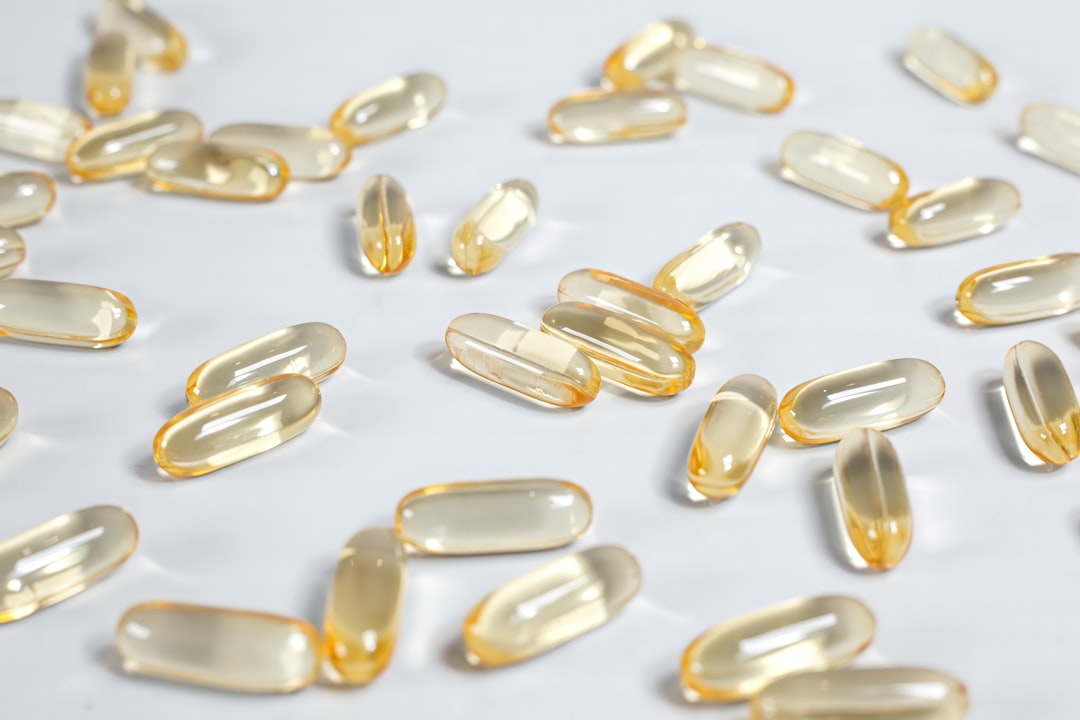
I’ve recommended fish oil to literally hundreds of clients. I keep a bottle on my own shelf, the good stuff, the one with the little lemon on the label. So when an omega-3 index test kit landed on my desk last spring — a gift from a lab-tech friend who loves watching me squirm — I pricked my finger, mailed the card, and fully expected a trophy number.
The result came back eleven days later: 3.9 percent.
Not 8. Not 9. Not even a respectable 6. I was sitting in the same risk zone as someone who considers a fish stick a serving of seafood. Twenty years of coaching, a shelf of “premium” capsules, and my red blood cells were essentially swimming in seed oils. I laughed, then I didn’t, then I ordered a second test to be sure. The number didn’t move. That’s the day this whole project started.
The Number Hiding in Your Red Blood Cells

Here’s the part most people have never been told: omega-3 status is measurable. Not guessed from a food diary — measured. The omega-3 index reads the amount of EPA and DHA fused into the membranes of your red blood cells, expressed as a percentage. Researchers who study this marker consider 8 to 12 percent the sweet spot for heart, brain, and eye health. Below 4 percent is the zone nobody wants to visit. Between those numbers is where most Americans quietly live, somewhere in the 5s and 6s, convinced their daily capsule has them covered.
My team ran the same experiment I did — we all eat similar lunch rotations around the studio, so I was curious. Four of us tested. Every single one of us, including the guy who takes his capsules with religious precision, came back under 6 percent. The capsule crowd and the fish-avoider crowd were nearly indistinguishable on paper. That’s not a rounding error. That’s a pattern.
The test itself is almost comically simple: a lancet, a drop of blood on a card, an envelope. If you’ve been supplementing on faith, OmegaQuant’s at-home test kit is the same finger-prick format I used, and the results arrive by email with a clean breakdown of where you actually stand. Baseline first. Everything after this depends on knowing that number.
How I Spent Years Swallowing Confidence
Let me explain how a wellness coach ends up at 3.9 percent with a straight face. My old bottle announced “1,000 mg fish oil” in proud letters across the front. What the front of the label gives, the back of the label takes away: the actual EPA and DHA content — the two fatty acids your membranes care about — was a rounding-error 300 mg per serving. I was paying premium prices for what was essentially capsule filler with a fishy accent.
Here’s the math that changed my shopping: research suggests it takes roughly 1,000 to 2,000 mg of combined EPA and DHA daily to move a stubborn index by 3 to 4 points over a few months. I was delivering maybe a third of that, inconsistently, sometimes on an empty stomach — and omega-3s are fat-soluble, so without a meal containing fat, absorption drops further. My capsules weren’t a supplement. They were a ritual.
My first honest fix was simply upgrading to a bottle that leads with the right number: Nordic Naturals Ultimate Omega puts 1,100 mg of EPA and DHA per serving front and center, lemon-flavored so there’s no fishy burp tax. If you learn one thing from my 3.9 percent, let it be this: read the back of the label, not the front. Grams of fish oil are marketing. Grams of EPA and DHA are biology.
Salmon Sundays: Where the Real Progress Started
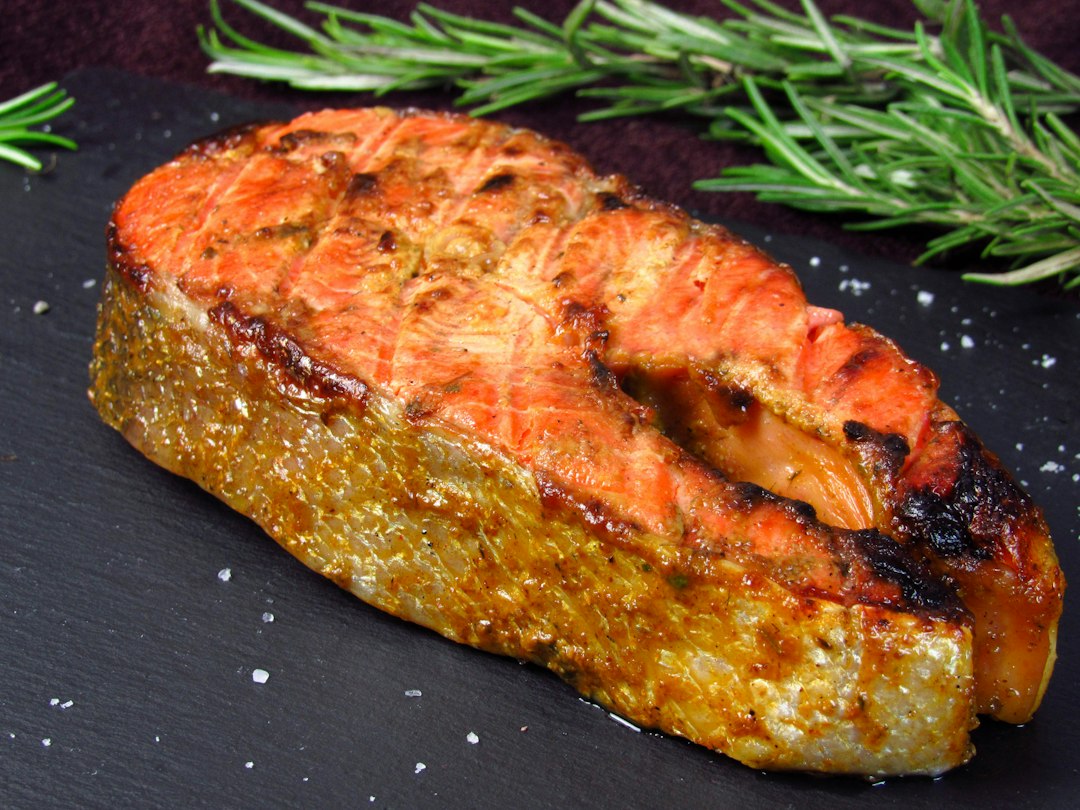
Before I rebuilt my supplement shelf, my nutritionist teammate made me rebuild my week. Two servings of fatty fish, minimum, every week — not “when we grill in summer,” every week. Wild salmon became the anchor: a Sunday fillet, hot-smoked pieces tossed into Tuesday lunches, leftovers flaked over greens. A six-ounce piece of wild salmon delivers roughly 1.5 to 2 grams of EPA and DHA, which is more than most supplement servings manage. Food first isn’t a slogan; it’s arithmetic.
Sunday salmon is also the single easiest habit I’ve ever installed on clients who “hate cooking.” One pan, salt, lemon, twelve minutes at 425. My crew of afternoon lifters now texts me photos of their fillets like it’s a competitive sport. I consider this a professional triumph.
The Tin That Quietly Runs My Pantry
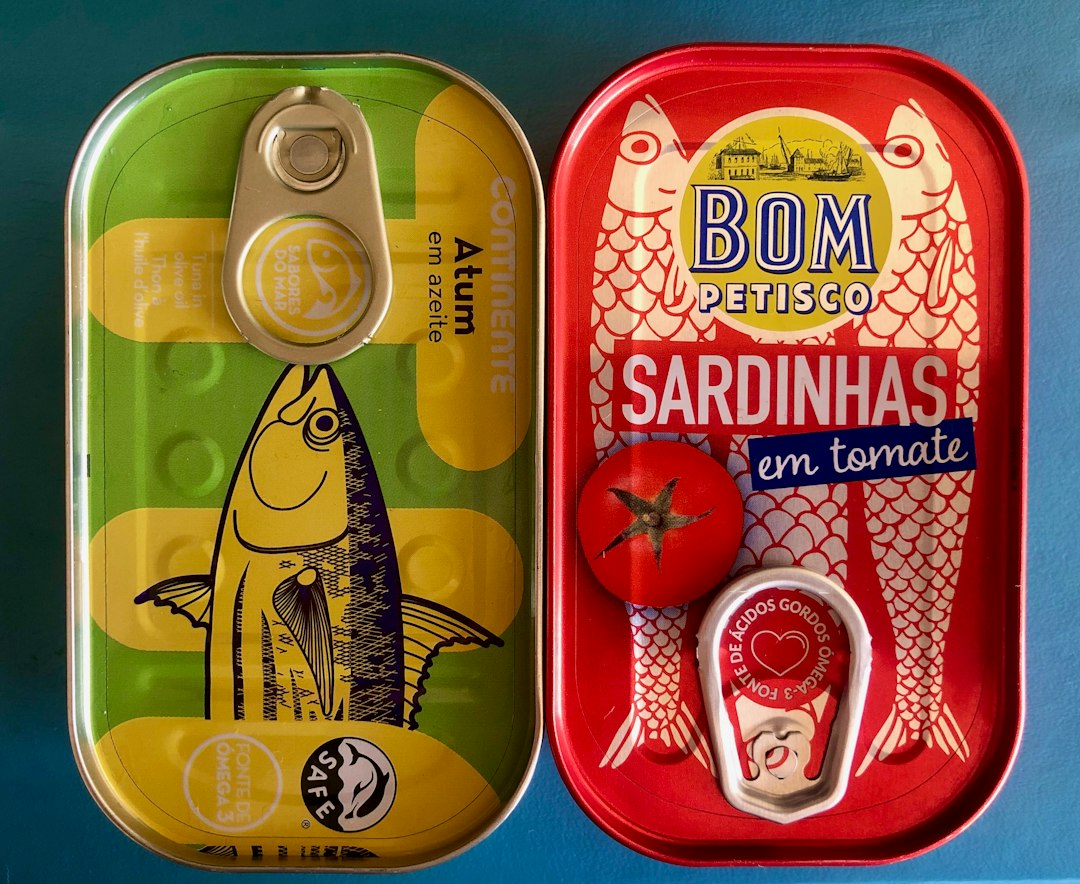
Now for the unglamorous hero of this story. Sardines. A single 4.4-ounce tin carries about 1.5 grams of EPA and DHA, plus calcium, vitamin D, and protein — and it costs less than a energy bar. When my team and I rebuilt our grocery lists after our sad baseline tests, tins of Wild Planet sardines in olive oil went into every pantry. The smaller, buttery King Oscar sardines in EVOO became the gateway tin for my skeptical clients; on crackers with mustard and a little red onion, even my most seafood-shy athlete now eats two tins a week.
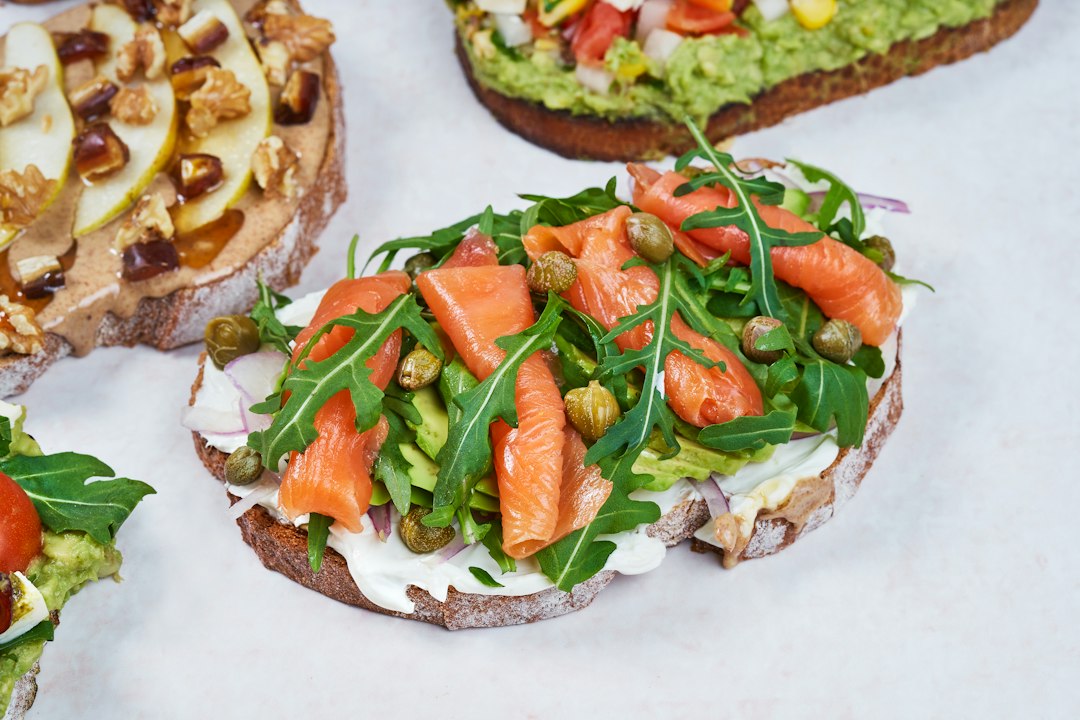
The trick with tins is treating them like a pantry staple rather than an emergency food. I stack them next to the canned beans. Saturday lunch at my house is frequently a tin smashed on toast with avocado and chili flakes — five minutes, zero decisions, and my omega-3 budget for the day is mostly handled before dinner. The smallest fish in the sea turned out to be the biggest lever under my index.
What I Look for Now When I Buy a Bottle
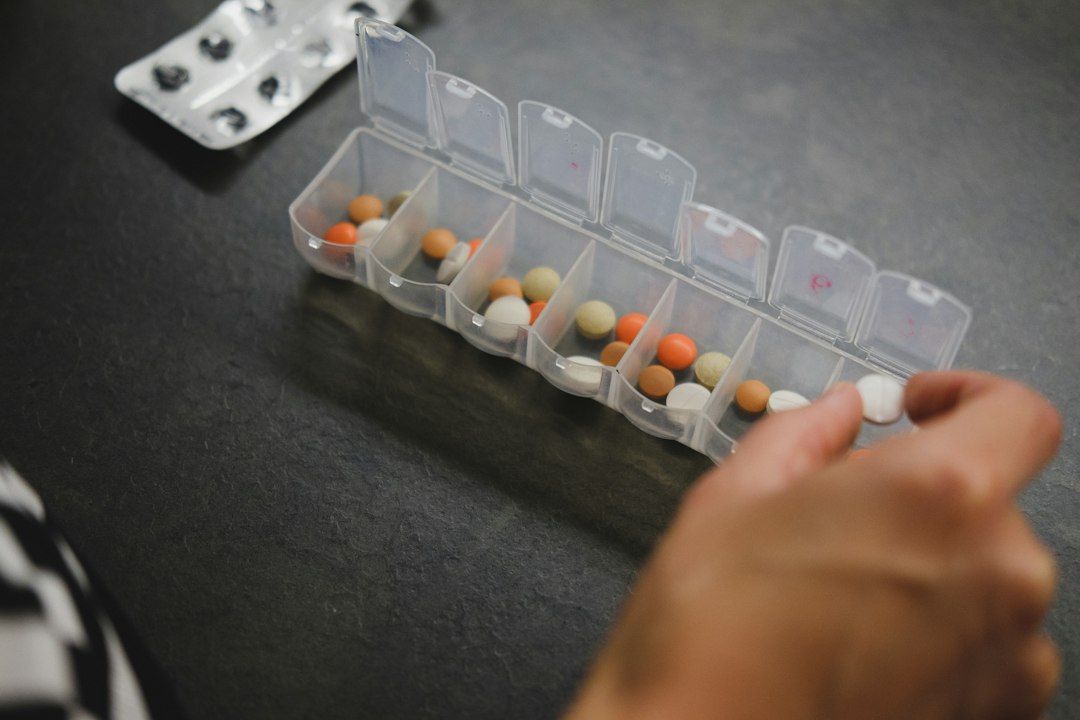
Food moved my number most, but I still supplement — a busy Thursday doesn’t always include salmon. I just buy differently now. My checklist, earned the expensive way: combined EPA and DHA of at least 1,000 mg per serving, third-party testing for freshness (rancid fish oil is oxidized fish oil, and it’s more common than anyone admits), and a form you’ll actually take consistently.
For me that became liquid. Carlson’s Very Finest Fish Oil in the 500 mL bottle gives you a full teaspoon of EPA and DHA that mixes into a smoothie or sits on a spoon with genuine lemon flavor — no capsule countdown, no burps. When travel makes liquid impractical, I pack Ultimate Omega 2X softgels, the double-strength version, so two capsules cover what used to take four. The right format is the one you never have to talk yourself into.
One more non-negotiable: I take them with my fattiest meal of the day. That single scheduling change probably did more for my absorption than any brand switch. My Sunday organizer gets loaded with the week’s capsules so nothing depends on morning memory — a habit I borrowed from my own fiber stack rebuild, where I learned that consistency lives in logistics, not motivation.
The Plant Problem: Why Chia Wasn’t Saving Me
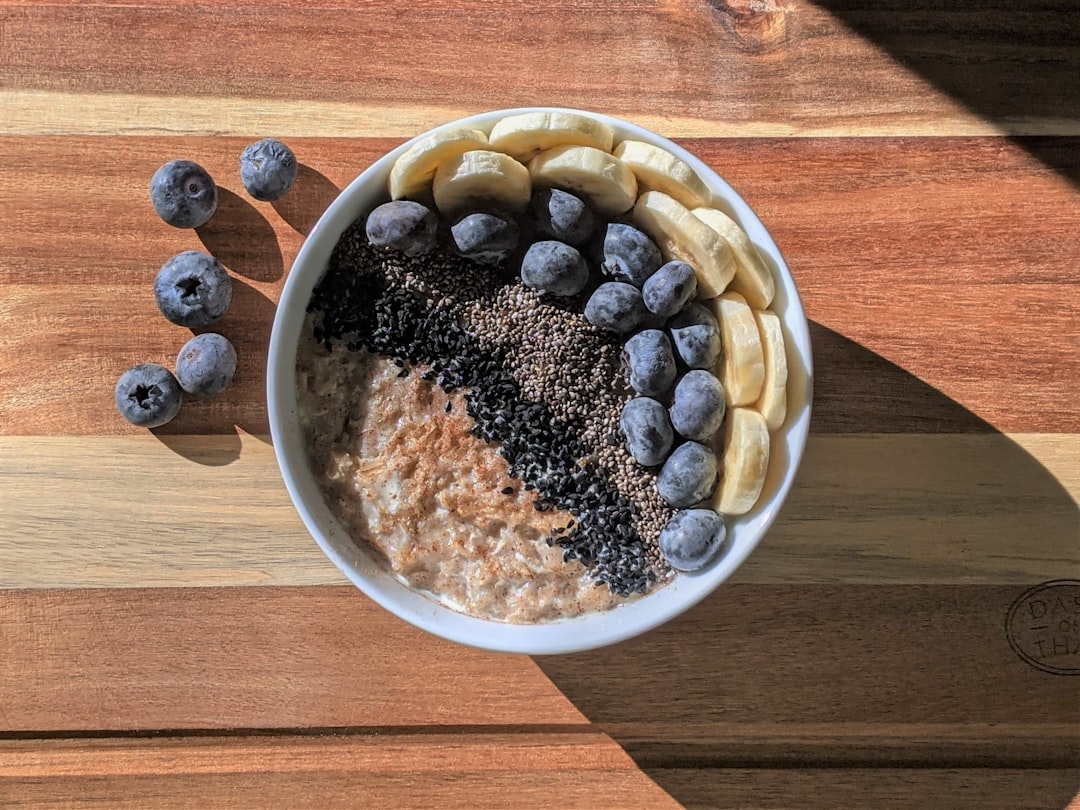
I want to be careful here, because I love plant-based eaters and half my client roster is one of them. The chia puddings and ground flax I’d been eating all those years do contain omega-3s — but in the form of ALA, which the body converts to EPA and DHA at a rate that hovers somewhere between stingy and insulting. Estimates land around 5 to 10 percent conversion to EPA, and far less to DHA. My breakfast bowls were real food doing real jobs — fiber, minerals, satiety — but they were never going to rescue my index.
For plant-based clients, algae oil is the honest answer, because algae is where fish get their omega-3s in the first place. Skip the middleman. Sports Research vegan algae oil delivers DHA and EPA directly from algae in plant-based softgels, and it’s the bottle I hand my vegetarian athletes who test low. Two of them have retested into the 7s and 8s on algae alone. The plant problem has a plant solution — it just isn’t chia.
Krill, Cod Liver, and the Great Format Debate
Every time omega-3s trend, three formats show up in my inbox: krill, cod liver, and plain fish oil. Here’s my honest read after a season of testing all three. MegaRed’s Antarctic krill oil delivers its omega-3s in phospholipid form, which some research suggests absorbs efficiently, and krill naturally carries astaxanthin — a genuinely lovely antioxidant. The catch is dose: getting 1,500 mg of EPA and DHA from krill means swallowing a small handful of softgels and spending accordingly. I use krill as a top-up, not a backbone.
Cod liver oil is the format my grandmother would recognize, and Carlson’s lemon cod liver oil is genuinely pleasant. Bonus: it carries natural vitamins A and D along for the ride. The trade-off is a lower EPA and DHA concentration per serving, so I treat it as autumn support — part of the same seasonal switch I make when the sun gets stingy with vitamin D. If you’re rebuilding your own fall supplement ritual, my September vitamin D playbook covers how the two oils stack together.
Plain, high-concentration fish oil remains my workhorse because the math is simple and the price per gram of EPA and DHA wins. Formats are preferences. The index doesn’t care which bottle you chose — only whether the fatty acids arrived.
Sixteen Weeks Later: 8.1 Percent and a Very Different Grocery List
The retest happened in week sixteen. I’ll admit I opened the email with my breath held, the way I used to wait for race results. 8.1 percent. From 3.9 to 8.1 in one season, on salmon twice a week, sardines twice a week, one teaspoon of liquid fish oil with a fatty meal most days, and krill top-ups when I remembered. Nothing exotic, nothing expensive — my grocery bill rose about eleven dollars a week and my supplement spend actually fell, because I stopped paying for capsule filler.
If you’re going to run this experiment yourself, do what my lab-tech friend now insists on: grab the two-pack of tests and schedule the retest before you change anything. Sixteen weeks is the window the researchers use, and having both numbers in hand turns a vague health habit into a measurable project. My whole studio did it — the wall of our break room currently displays six before-and-after cards like fishing trophies. I regret nothing.
The Coaching Version: How I Run This With Clients

Stripped of my lab-tech drama, here’s the protocol I now walk every client through. Test first — you cannot manage what you haven’t measured. Anchor the week with two fatty-fish meals; salmon and sardines do the heaviest lifting for the least money. Fill the gap with a supplement whose back label promises at least 1,000 mg of combined EPA and DHA, taken with your fattiest meal. Recheck at sixteen weeks. Adjust once. Then stop fiddling — this is a maintenance number, not a hobby.
The pattern holds across everything I’ve rebuilt this year, from demystifying the joint supplement aisle to the fermented jars that retired my probiotic budget on the counter culture experiment. Measure, fix with food, supplement surgically, re-measure. Your future self doesn’t need another leap of faith in a capsule. She needs a number, a plan, and a very good salmon recipe.