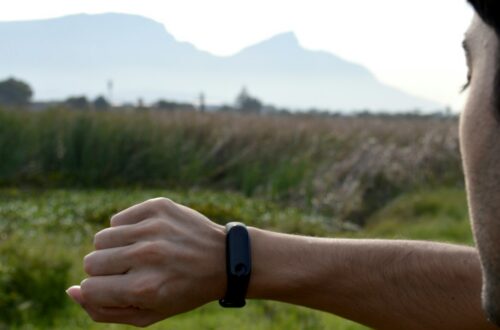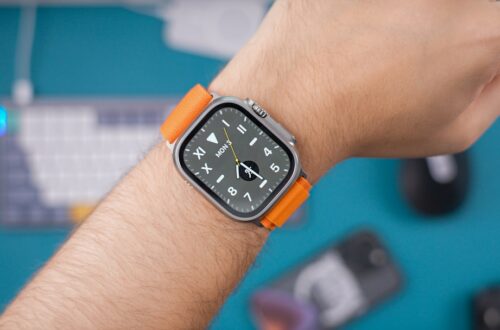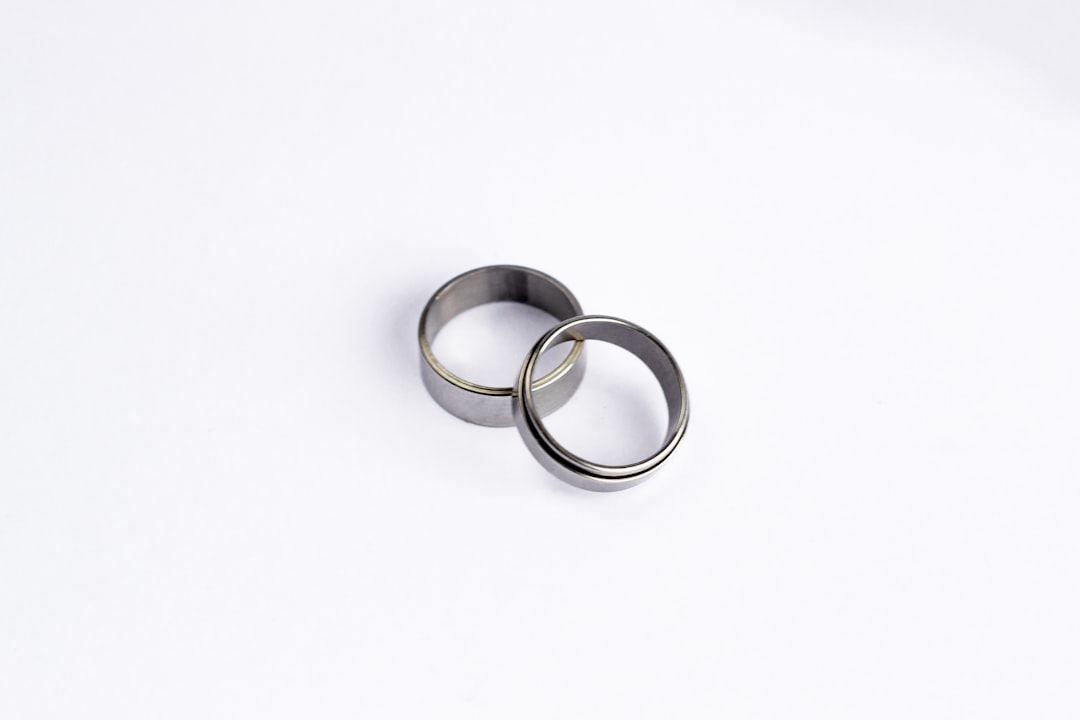
I’ve been wearing some version of a health tracker on my body since 2009. Back then, it was a clunky pedometer strapped to my hip during track practice, and I thought it was sorcery. Fifteen years and roughly a dozen wearables later, I’m here to tell you that the war happening right now in smart rings isn’t about sensors anymore. It’s about which company built the brain that actually makes sense of all that data while you sleep.
Seven days ago, Ultrahuman pushed something called the Emerald update to every ring they’ve ever sold. I woke up that morning to find my app had quietly transformed overnight from a dashboard of numbers into something that felt less like a spreadsheet and more like a coach who’d been watching me for months and finally decided to speak up. And just like that, the arms race in wearable intelligence shifted into a gear I didn’t see coming.
Why the Ring Form Factor Won
Let me back up for a second. If you’ve been following along, you know I switched from a fifteen-year watch habit to a smart ring back in January. The form factor advantages were obvious from day one. A ring sits on your finger, where the blood vessels are close to the surface, which means optical sensors can read heart rate, blood oxygen, and temperature with far more accuracy than a loose-fitting watch on your wrist. You forget you’re wearing it. It doesn’t interfere with a barbell grip or a gymnastics routine. And critically, it stays on while you sleep — which is where roughly 70% of the meaningful health data actually lives.
What I didn’t anticipate was how quickly the three major players — Oura Ring 5, Ultrahuman, and Samsung Galaxy Ring — would shift their competitive energy away from hardware and into artificial intelligence. The sensors are basically maxed out at this point. All three track sleep stages, heart rate variability, blood oxygen, skin temperature, respiratory rate, and activity. The differentiator now is what happens to that firehose of data after the ring collects it. And that’s where things got genuinely fascinating this summer.
The Emerald Update Changed Everything
When Ultrahuman announced their Emerald rollout on July 23rd, the headline was on-device AI processing. That sounds technical, so let me translate: instead of your health data being shipped to a cloud server, analyzed by algorithms you can’t see, and then sent back to you as a score, everything now happens locally on your phone. The ring syncs to your device, and the device does the thinking right there.

Why does that matter? Two reasons. First, speed. When I wake up and open my app, the insights are already there — no loading circle, no “analyzing your data” message. The processing happened while I was sleeping because it happens on-device, not in some server farm in another time zone. Second, privacy. Your heart rate variability at 3 AM is nobody’s business but yours, and local processing means it stays that way.
But the real magic is what the AI actually says. Instead of “Your sleep score is 78,” the Emerald-powered app told me: “Your deep sleep was interrupted around 2:15 AM, likely due to a temperature spike in your bedroom. Your HRV dropped 12% in that window, which suggests your body was working harder than it should have been during recovery. Consider lowering your room temperature or removing a layer of bedding.” That’s a coach, not a calculator.
Oura’s Countermove: The Subscription Intelligence Play
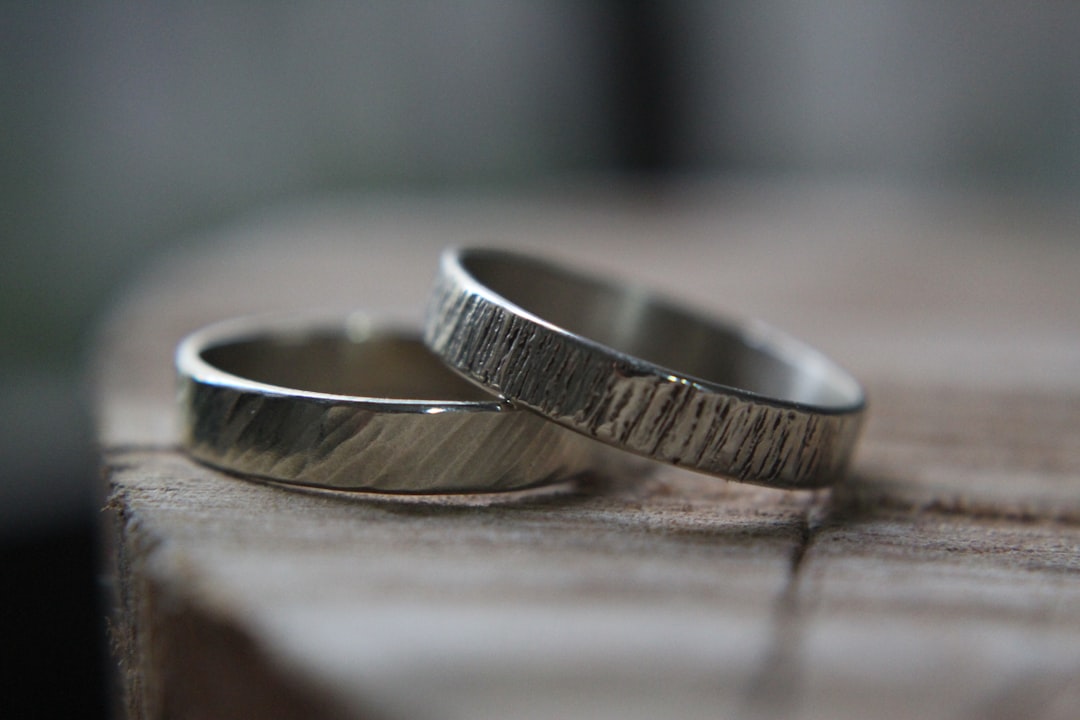
The Oura Ring 5 launched this spring with a dramatically slimmer profile and what the company calls their AI Advisor. I’ve been testing one alongside my Ultrahuman for about six weeks, and the contrast is instructive. Oura’s approach is curated. The AI feels like a thoughtful editor — it doesn’t dump every data point on you. Instead, it surfaces the two or three things that actually matter today. Yesterday morning, it flagged that my resting heart rate had been trending up for three consecutive days and asked if I’d changed my caffeine intake. I had. That kind of pattern recognition is genuinely useful when you’re managing training load.
The catch is the $5.99 monthly subscription. Oura locks their best AI features behind that paywall, which means the $399 ring is really $399 plus $72 a year, forever. For some people that’s a non-starter. For others, the polish of the Oura app ecosystem — which now integrates with over 50 partner apps from Strava to Natural Cycles — justifies the recurring cost. I tell my clients to think of it like a gym membership: if you use it, it’s the best $6 a month you’ll spend on your health. If it sits in a drawer, it’s an expensive paperweight.
Samsung’s Wildcard: Free Intelligence, Galaxy Lock-In
The Samsung Galaxy Ring takes the opposite approach from Oura on pricing. No subscription. Buy the ring, download the Samsung Health app, and you get AI-driven insights included for the life of the device. The trade-off is ecosystem lock-in — Samsung’s health platform only works with Samsung phones, so if you’re an iPhone user, this ring is a non-starter.
For the Android faithful, though, it’s becoming harder to ignore. Samsung’s “Energy Score” combines sleep, activity, heart rate, and stress data into a single daily number that tells you whether to push hard in training or back off. And their Galaxy AI integration — the same engine that powers their newest phones — means the ring’s insights get smarter the more Samsung devices you own. Pair it with a Galaxy Watch and the two devices tag-team your health data in ways that feel genuinely cohesive.
The Dark Horse: RingConn’s No-Subscription Bet
Not everyone wants to spend $350-$400 on a smart ring, and that’s where RingConn is making serious waves. Their Gen 2 ring launched at roughly $200 with no subscription fee and surprisingly robust tracking. The newest Gen 3 model added vascular trend monitoring — essentially tracking how your blood vessel behavior changes over time, which is a metric normally reserved for clinical settings.

The AI experience isn’t as polished as Oura’s or Ultrahuman’s, and the app feels more clinical than coaching-oriented. But if you want the raw data and the ability to draw your own conclusions, RingConn delivers exceptional value. I’ve been recommending it to clients who are curious about smart rings but hesitant to make a $400 commitment before they know if the form factor works for their lifestyle. Their sizing kit process is also refreshingly straightforward.
What the Data Actually Tells Me After Six Months
Here’s where I get practical. Six months of wearing these devices concurrently has taught me several things that no marketing brochure will tell you.
First, sleep tracking is the killer feature. Not step counting. Not workout tracking. Sleep. The ring form factor wins here because people actually keep them on overnight. I’ve never had a consistent run of watch-based sleep data that lasted more than two weeks before I’d charge the watch overnight or forget to put it back on. With rings, it’s been six months of uninterrupted data, and that continuity is what makes the AI insights possible. I wrote about my summer sleep fix last month, and the ring data was the foundation of every adjustment I made.
Second, HRV trends matter more than absolute numbers. Heart rate variability is one of those metrics that gets weaponized by the biohacking community into a daily stress contest. Don’t do that. What matters is your personal baseline over weeks and months. All three major rings now track HRV with enough accuracy to establish a meaningful trend line. When my seven-day average drops more than 15% below my sixty-day baseline, I know I need a recovery day — even if I feel fine. The ring catches what my conscious brain refuses to admit.
Third, the AI coaching gap is real and closing fast. Six months ago, every smart ring would give you a score and a one-sentence explanation. Today, with the Emerald update and Oura’s AI Advisor, the gap between what a ring tells you and what a human coach would tell you has narrowed dramatically. We’re not there yet — the AI still can’t read context like “you had a stressful conversation before bed” or “you’re traveling and the hotel pillow is terrible.” But it can tell you that your deep sleep was fragmented and your autonomic nervous system was working harder than usual, which is 80% of what a coach would say.
The Competitors Worth Watching
Beyond the big three, the smart ring space is getting crowded fast. If you’re shopping for alternatives that pair well with a ring or work as standalone trackers, here’s what I’m keeping an eye on:
- WHOOP Peak — Not a ring, but WHOOP’s screenless band has been the gold standard for recovery scoring, and their new 12-month membership model includes AI-powered strain coaching that’s genuinely impressive. Pairs well with a smart ring if you want belt-and-suspenders data.
- Fitbit Inspire 3 — At under $100, it’s the budget entry point for sleep and activity tracking. No AI coaching, but the baseline data is solid for the price.
- FITVII Screenless Tracker — A newer entry in the screenless wearable space, and one I discussed in my piece on the screenless revolution. Worth considering if you want something between a ring and a full smartwatch.
- Amazfit Balance Ultra — Their HybridCharge feature combines recovery and training strain data in a way that’s surprisingly close to what the rings offer, just in a watch form factor. Official wearable of Hyrox, if that’s your world.
- No-subscription smart rings — The budget ring category is exploding. Quality varies wildly, so stick with established brands like RingConn unless you’re feeling adventurous.

The Vagus Nerve Connection
One of the more surprising developments in ring-based AI coaching is how quickly the platforms have incorporated nervous system regulation insights. If you read my deep dive on vagus nerve stimulation devices, you know I’ve been exploring how autonomic nervous system health underpins everything from recovery to mood. Smart rings are essentially vagus nerve monitors — they’re reading the signals your autonomic nervous system sends through your cardiovascular system every second.
The newest AI features on all three major platforms now incorporate stress detection that goes beyond “your HRV is low.” Oura’s Stress feature breaks your day into stressed, relaxed, and engaged states. Ultrahuman’s Emerald update added what they call “stress architecture” — a visual map of when your nervous system shifted into sympathetic (fight-or-flight) versus parasympathetic (rest-and-digest) mode throughout the day. For anyone working on nervous system regulation, this is a goldmine of actionable feedback.

How to Choose Your Ring
After six months of testing, here’s my honest framework for choosing:
Get the Oura Ring 5 if you want the most polished, curated AI experience and don’t mind paying a subscription. It’s the iPhone of smart rings — beautiful, intuitive, and closed ecosystem.
Get Ultrahuman if you’re a data-driven optimizer who wants deep insights without ongoing fees. The Emerald update made their platform genuinely competitive with Oura on intelligence, and the no-subscription model means your total cost of ownership stays flat.
Get the Samsung Galaxy Ring if you’re already in the Samsung ecosystem and want something that integrates seamlessly with your phone and watch. The free AI coaching is increasingly good, and the interplay between Samsung devices creates a health-monitoring network effect.
Get RingConn if budget matters and you want raw data without the marketing markup. The Gen 2 and Gen 3 are legitimate tools, not cheap knockoffs.
Where This Is Going Next
The trajectory here is unmistakable. Within twelve months, I expect every major smart ring to offer conversational AI coaching — not just “your sleep score is 78” but the ability to ask your ring questions and get personalized answers. “Why am I so tired today?” “Should I do my interval session this afternoon or push it to tomorrow?” “What changed in my recovery pattern this week?”
The companies that win this race won’t be the ones with the best sensors. Sensors are commoditized. The winners will be the ones whose AI can translate a stream of biometric data into a single, clear, human sentence that makes you change your behavior. Ultrahuman’s Emerald update was the opening salvo. Oura’s AI Advisor is getting better every month. Samsung has the resources to leapfrog both if they choose to prioritize it.
And for those of us who’ve spent our careers helping people build healthier lives? We should be paying close attention. Because when a $350 piece of titanium on your finger can tell a client that their nervous system is fried from three days of poor sleep before they even walk into the gym — that’s not a gadget. That’s a paradigm shift.
I’ll keep wearing all three and updating you as the AI gets smarter. Because if there’s one thing this heptathlete learned the hard way, it’s that the data you ignore is the data that costs you.