For twenty years, I treated my feet like afterthoughts. I’d spend hundreds on running shoes, massage guns, and recovery drinks, then shuffle around my house in flat, paper-thin flip-flops that offered about as much support as a sheet of cardboard. My heels ached every morning. My arches burned after long coaching sessions. And I just accepted it as the price of an active life.
Then a physical therapist friend looked at my battered, unsupported feet during a post-workout evaluation and said something that stuck with me: “You spend all this time strengthening your body, and you walk around on surfaces that undo everything the second you leave the gym.” She was right. The hours you spend not training matter just as much as the hours you do, and what’s on your feet during those in-between hours quietly shapes your recovery, your joint health, and even your next performance.
I’ve spent the past several months rebuilding my entire post-workout foot protocol — from the slides I wear around the house to the compression gear I use after long training days to the tools that keep my plantar fascia happy. Here’s everything I’ve learned, what’s actually worth your money, and how to build a foot recovery setup that punches well above its weight.
Why Recovery Footwear Is the Missing Piece in Your Stack
Here’s something most athletes learn the hard way: your feet absorb more cumulative stress than almost any other structure in your body. Every step you take loads the plantar fascia, the Achilles tendon, and a complex web of 26 bones and 33 joints. When you train hard and then walk around on hard floors in unsupportive shoes, you’re essentially asking already-fatigued tissue to keep absorbing impact without any help.
The research backs this up. Studies on recovery footwear show that proper arch support and impact absorption during rest periods can significantly reduce markers of muscle damage and perceived fatigue. Translation: what you wear between workouts directly affects how well your body bounces back for the next one.
My team and I started tracking recovery metrics — HRV, morning resting heart rate, and perceived soreness — across a six-week period where the only variable we changed was post-workout footwear. The results were honestly striking enough that I’ll never go back to bargain-bin flip-flops.
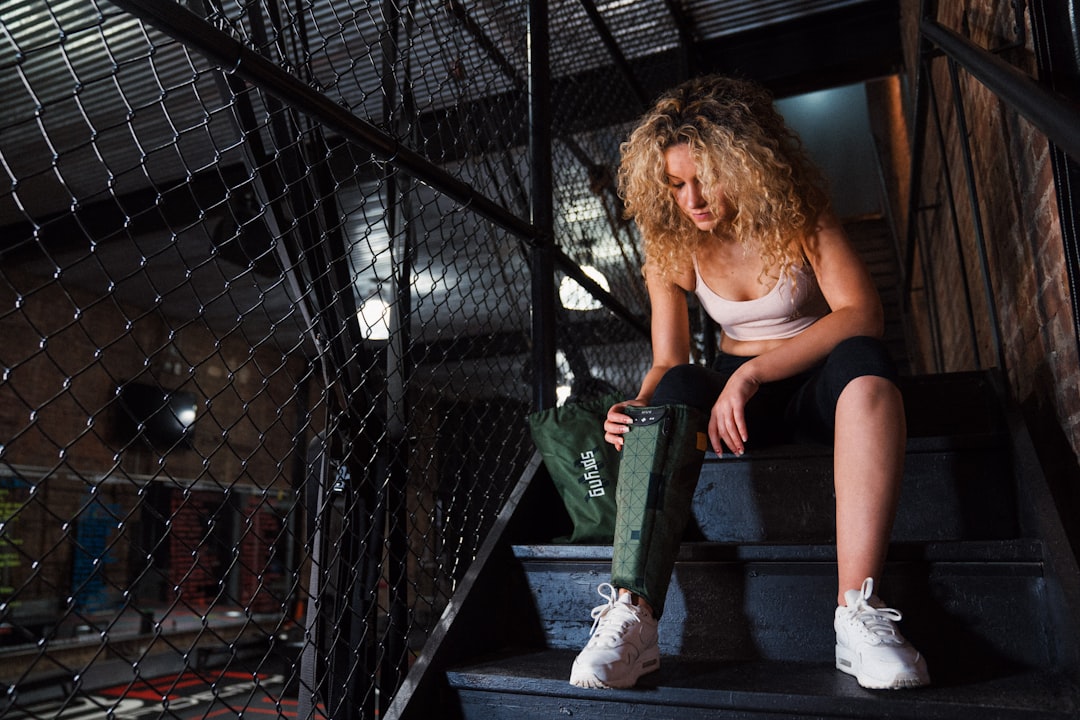
The right recovery shoes do three things: they absorb impact that would otherwise travel up your kinetic chain into your knees, hips, and lower back. They support your arch so tired foot muscles don’t have to keep firing. And they promote better circulation compared to stiff, restrictive shoes that keep your foot locked in one position.
So what should you actually look for? I break it into four categories: recovery slides and sandals, compression socks, active recovery tools like foot massagers, and supportive insoles for your everyday shoes. Let’s walk through each one — pun absolutely intended.
Recovery Slides and Sandals: Your Post-Workout Foundation
This is where the biggest shift happened for me personally. I used to slip on whatever was by the door. Now I have dedicated recovery slides that I put on the second my training shoes come off, and the difference in how my feet feel at the end of a long day is night and day.
The category leader here, and for good reason, is OOFOS recovery slides. These aren’t just comfortable flip-flops — they’re engineered with a proprietary foam that absorbs 37% more impact than traditional footwear materials. The footbed is designed to cradle your arch and distribute pressure evenly across the sole of your foot, which takes the load off your plantar fascia when it’s most vulnerable right after a workout.
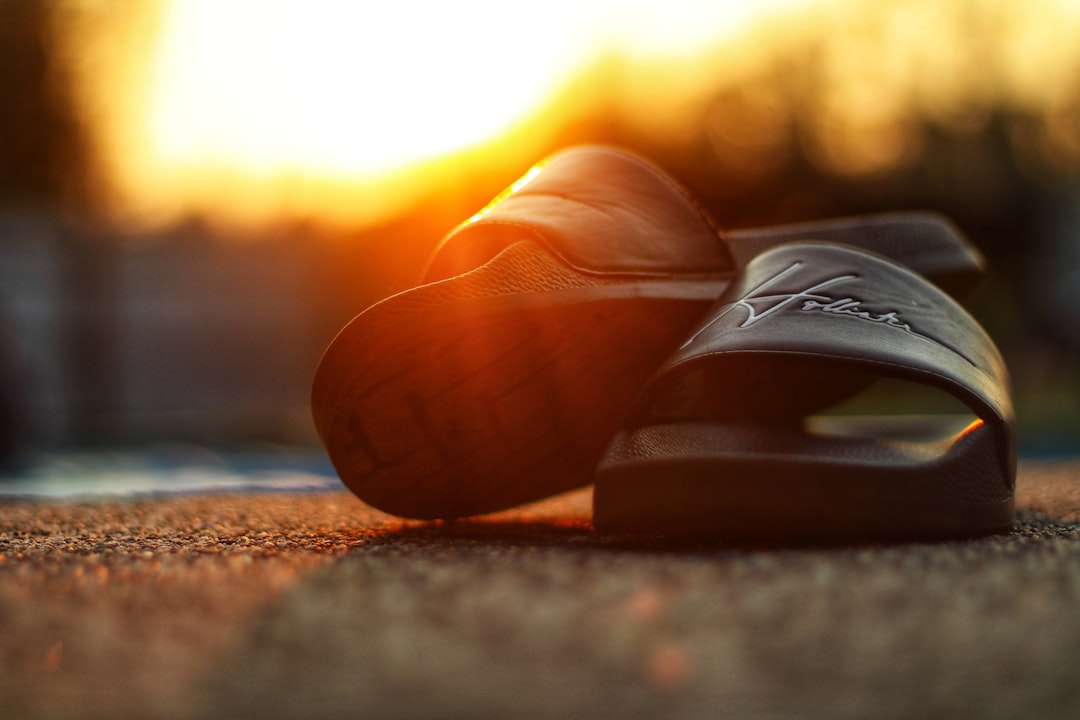
I wore a pair through an entire track season — standing on hard surfaces for hours coaching, walking between events, and wearing them as my primary around-town shoe on rest days. After about three weeks, the persistent morning heel pain I’d been ignoring for months just… faded. The foam holds up surprisingly well too; mine still had spring in them after four months of daily wear.
If OOFOS doesn’t fit your style or budget, Crocs Mellow recovery slides are a surprisingly strong alternative. The Mellow line uses LiteRide foam that’s softer and more forgiving than the classic Crocs material, with a deeper heel cup and built-in arch support that genuinely cradles tired feet. I keep a pair at my front door for dog walks and quick errands.
For women specifically, I’ve had several clients fall in love with arch-support recovery sandals that don’t look like medical footwear. The shevalues orthopedic sandals offer the same biomechanical benefits — aligned arch support, shock-absorbing footbed, deep heel cup — but in a silhouette that actually looks intentional. One of my coaching clients wears hers everywhere, from the gym parking lot to brunch on weekends.
Compression Socks: The Circulation Multiplier
Here’s where a lot of people get it twisted: compression gear isn’t just for long flights and hospital stays. Graduated compression socks are one of the most effective, affordable recovery tools you can add to your daily routine, especially if you’re on your feet a lot between training sessions.
The mechanism is elegant. Graduated compression applies the most pressure at the ankle and gradually decreases up the calf. This creates a pressure gradient that helps your veins push deoxygenated blood and metabolic waste products back toward your heart more efficiently. The result? Faster clearance of the inflammatory byproducts that make your legs feel heavy and sore after hard efforts.
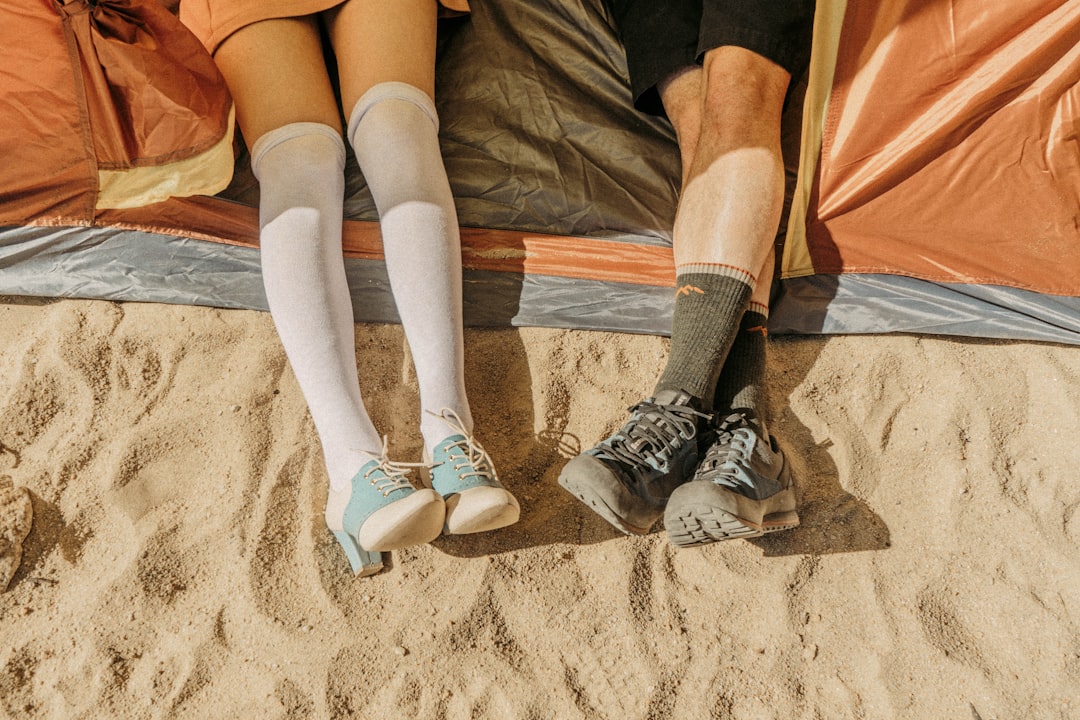
My go-to recommendation for most people is the FITRELL 20-30mmHg compression socks. The 20-30mmHg pressure range is the sweet spot for athletic recovery — firm enough to improve venous return meaningfully, but not so tight that they’re uncomfortable for extended wear. I slide a pair on after evening showers and wear them for a couple of hours while I’m reading or doing mobility work.
For everyday use — long coaching days, travel, or lighter recovery — I prefer something in the 15-20mmHg range. The CHARMKING 15-20mmHg compression socks come in convenient three-pair packs and hit that gentler compression zone that’s comfortable enough to wear all day without that squeezed feeling. At that price point, you can keep a pair in your gym bag, one by your bed, and one in your travel kit.
A quick tip from experience: measure your calf circumference before ordering. Sizing by shoe size alone leads to a poor fit, and a poor fit means poor compression. Most brands include a sizing chart on their product page — use it.
Active Foot Recovery: Massage Tools That Actually Work
Passive recovery — wearing the right shoes and socks — gets you most of the way. But adding just five minutes of active foot recovery per day can be transformative, especially if you deal with plantar fasciitis, tight arches, or Achilles stiffness.
The simplest, most cost-effective tool in my entire recovery arsenal is a plantar fasciitis foot roller. It’s a textured roller designed specifically to target the plantar fascia and the arch of your foot. You roll it under your foot while sitting at your desk, watching TV, or eating breakfast. It takes almost zero extra time, and it directly addresses the connective tissue that causes that sharp morning heel pain.
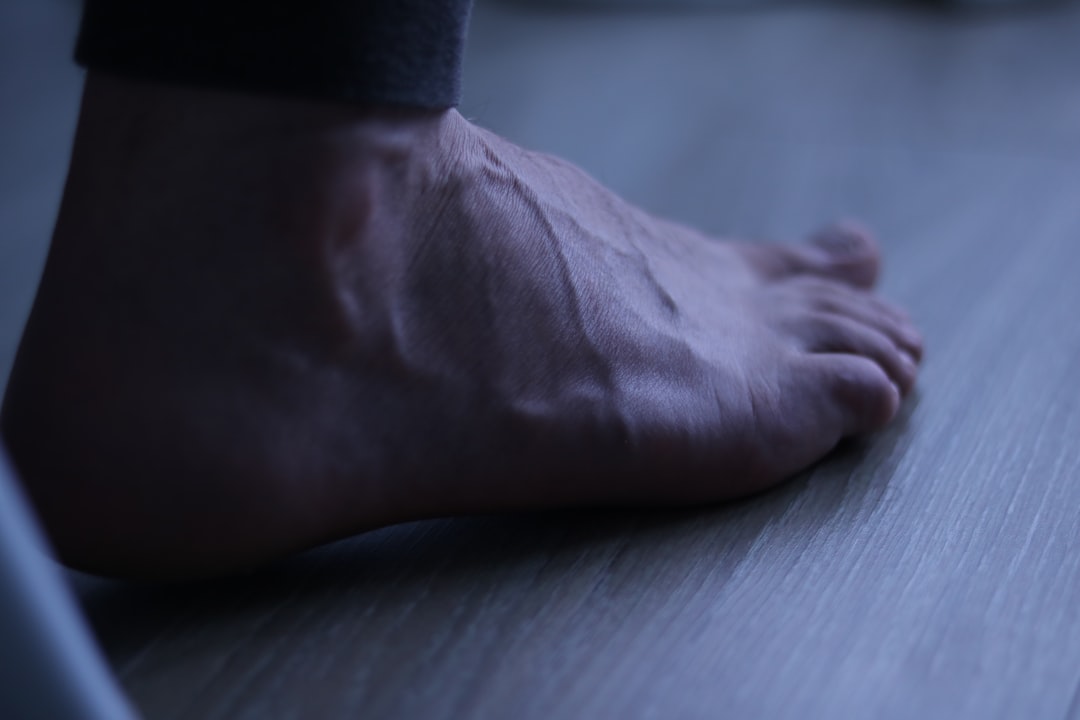
I keep one under my desk and roll each foot for about two minutes every couple of hours during the workday. My team has started doing the same — it’s become such a habit that one of my coaching assistants mentioned she doesn’t even think about it anymore, she just reaches for it whenever she’s sitting.
For deeper, more targeted work, powered foot massagers have come a long way. The Nekteck Shiatsu foot massager combines deep-kneading massage nodes with air compression and optional heat. It’s the kind of thing you use while watching a show at the end of the day, and it hits the deep tissues of the foot and ankle in ways that a roller simply can’t match. I’ve recommended it to multiple clients dealing with chronic plantar fasciitis, and the feedback has been overwhelmingly positive.
The upgrade path from there is the RENPHO Thermacool 2-in-1 foot massager, which adds a cold therapy option alongside heat. If you’ve read my thoughts on contrast therapy, you know how powerful alternating hot and cold can be for recovery. Being able to do that specifically for your feet — without multiple devices — is genuinely useful.
The Support System: Insoles That Carry You Through the Day
Here’s an uncomfortable truth: even expensive athletic shoes often come with mediocre factory insoles. The thin foam inserts that ship inside most training shoes compress within weeks and offer almost zero meaningful arch support. Swapping them out for purpose-built orthotic insoles is one of the highest-ROI upgrades you can make for daily foot health.
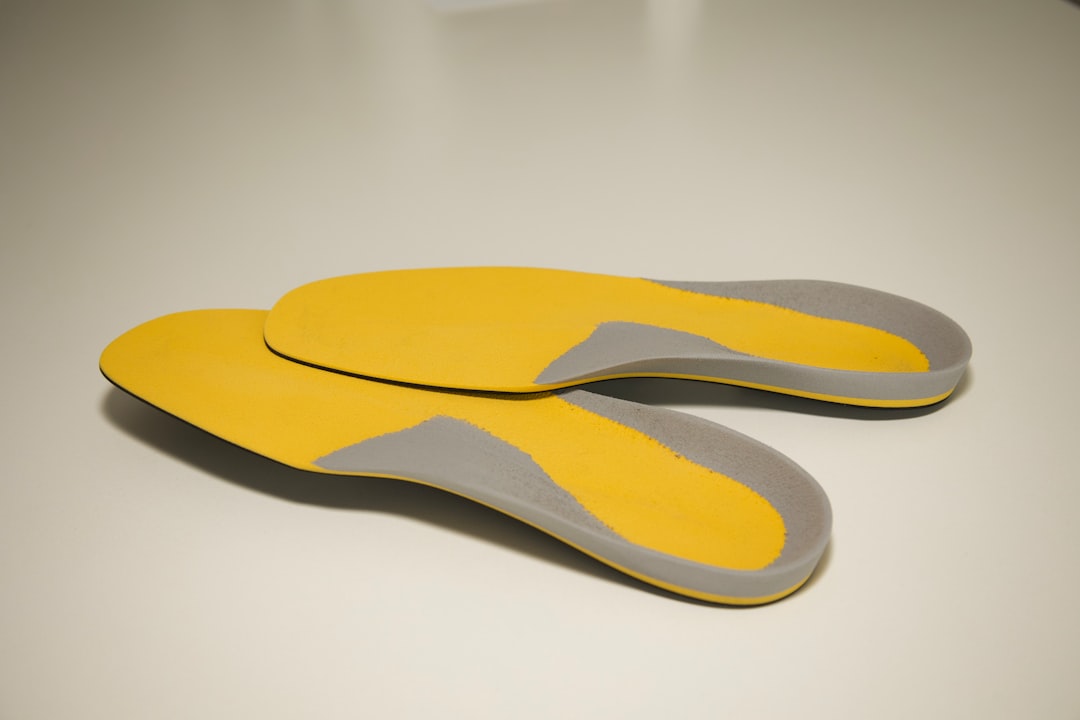
The WalkHero plantar fasciitis insoles are the pair I recommend most often. They offer firm but not rigid arch support, a deep heel cup for stability, and enough cushioning to absorb impact without bottoming out. I’ve put them in my walking shoes, my cross-trainers, and even my everyday sneakers. The difference in how my feet feel at the end of a long day is immediate and noticeable.
For athletes over 200 pounds or anyone who needs heavier-duty support, the WalkHero Heavy Duty high-arch insoles use a denser foam and a more aggressive arch profile. They’re built for people who put serious mileage on their feet, and they hold up better under repeated heavy loads than thinner drugstore alternatives.
Leveling Up: Leg Compression Systems
If you want to take lower-body recovery to the absolute top tier — and you have the budget for it — a dedicated leg compression system is the next step. These aren’t foot-specific tools; they treat the entire leg from foot to thigh, using sequential compression to mimic the body’s natural muscle pump on a much larger scale.
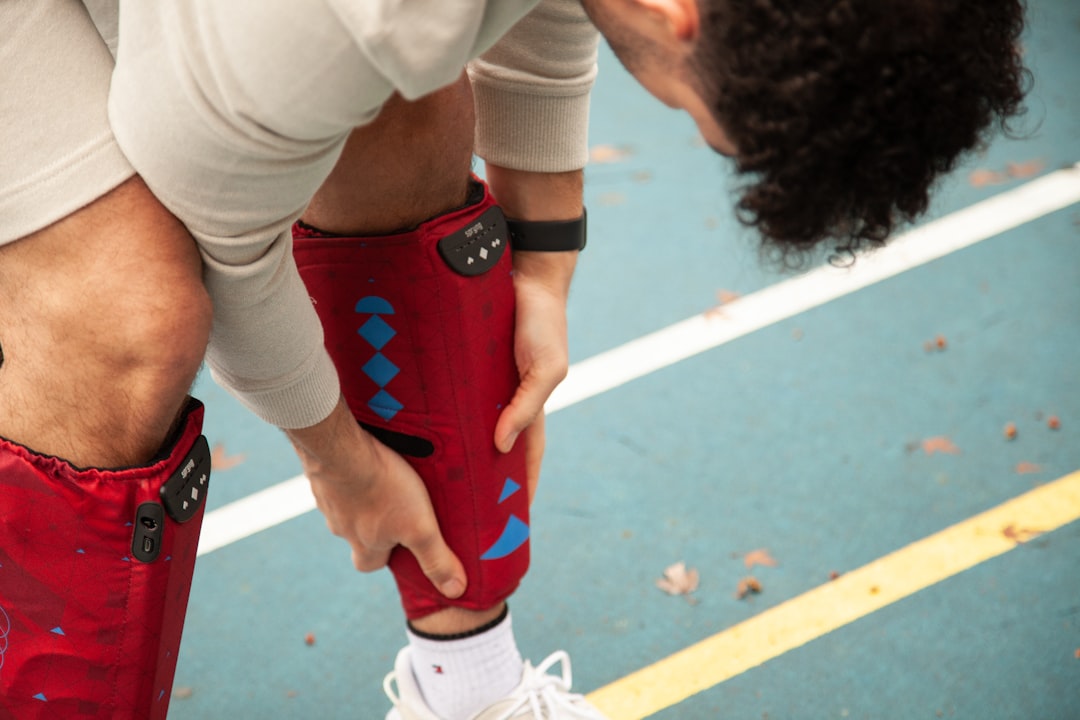
The QUINEAR leg recovery compression system is the best value option I’ve found in this category. It uses sequential inflation — filling chambers from the foot upward toward the thigh — to push fluid and metabolic waste out of your legs and back into circulation. After a hard track session or a long trail run, twenty minutes in these boots genuinely makes my legs feel like they belong to someone who didn’t just train hard.
I’ve written before about how compression boots went from a luxury to a non-negotiable in my routine, and that stance hasn’t changed. If you train four or more days a week, this is the kind of investment that pays for itself in how you feel on your next session.
For a more compact option that targets the calf and foot area without the full leg sleeve, the YINGGG leg massager with heat and compression offers a similar air-compression massage in a smaller, more portable package. It’s ideal if you don’t have the storage space for full boots or if you primarily want to target the lower leg.
Building Your Daily Foot Recovery Routine
Here’s how all these pieces fit together in practice. This is the exact protocol I use and recommend to my coaching clients:
- Immediately post-workout: Training shoes come off, recovery slides go on. Your feet need cushioning and arch support the moment you stop training — not in an hour when you finally get home.
- Within an hour of training: Slip on compression socks (20-30mmHg for hard training days, 15-20mmHg for lighter days). Wear them for one to three hours while you handle post-workout nutrition, mobility work, or just relax.
- Evening wind-down: Five minutes with a foot roller while sitting at your desk or watching TV. If it was a particularly brutal session, twenty minutes with a powered foot massager or compression boots.
- Overnight: Make sure your everyday shoes have quality insoles. The eight to twelve hours a day you spend in non-training shoes matter just as much as your workout gear.
That’s it. Total investment of maybe ten minutes of active time per day, with the rest happening passively while you go about your life. I’ve seen clients eliminate chronic foot pain, improve their squat depth, and feel significantly fresher on their next training day — all from taking foot recovery seriously for the first time.
The Bigger Picture: Feet Are Your Foundation
I spent two decades chasing faster splits, heavier lifts, and better recovery protocols while completely ignoring the two structures that carry all of it. My feet took the hit silently until they simply couldn’t anymore. If you’re dealing with persistent soreness, morning stiffness, or just a sense that your recovery isn’t keeping pace with your training, start from the ground up — literally.
You don’t need everything on this list at once. Start with a quality pair of recovery slides and a foot roller. Feel the difference for two weeks. Then add compression socks. Build your stack one piece at a time, the same way you’d build a training program — progressively, intentionally, and with room to adapt.
Your feet have been quietly supporting every step you’ve ever taken. It’s about time you returned the favor.