Every October, without fail, my inbox fills with the same question. It arrives after the first week of raking leaves, the first cold morning at the desk, the first marathon-training long run when the lower back quietly files its complaint. “Should I buy an inversion table?” Clients ask it the way people ask about a tattoo — half hopeful, half worried someone will talk them out of it. I understand the appeal. I spent my twenties throwing a javelin and landing in a sand pit two hundred days a year, and my spine kept the receipts long after my heptathlon career ended. So this fall, my coaching team and I did the unglamorous thing: we dragged six tables into our studio, flipped ourselves upside down for three weeks, argued about ankle clamps, and called a physical therapist friend twice for backup. Here is everything I wish someone had told my clients before they clicked “add to cart.”
Gravity Files a Complaint Every Single Night
Here is the part most buyers miss: you are measurably shorter at nine in the evening than you were at breakfast — somewhere around half an inch, sometimes more. The discs between your vertebrae behave like tiny water balloons doing a full day of load-bearing work. Standing and sitting squeezes fluid out of them; lying down lets them slowly reabsorb it overnight. That daily shrink-and-refill cycle is completely normal, and it explains why your back feels “compressed” by dinnertime and mysteriously better on vacation.
An inversion table borrows that overnight refill and hands it to you on demand. By strapping in at your ankles and tilting backward, you use your own body weight as gentle traction, unloading the discs while you are still awake. Clinicians describe it as temporary decompression — it creates a bit more space between vertebras and takes pressure off irritated structures for a while. Note the word temporary. I promised honesty up front: there is no good evidence that hanging upside down rebuilds herniated discs or replaces a trip to an actual doctor. What it reliably delivers is short-term relief, a serious stretch through the spine and hips, and for many people, a fast lane into relaxation mode. If your back aches by 4 p.m. every day, that is worth real money.
One more finding my team found delightful: you do not need to hang fully upside down like a bat to get the effect. Most of the decompression benefit arrives by forty-five to sixty degrees. Full vertical inversion is a party trick, not a requirement — and frankly, most of my clients never progress past sixty degrees, nor should they need to.
Who Belongs on This Thing — and Who Absolutely Doesn’t
The right user is someone with the vague, achy, end-of-day tightness that comes from desks, mileage, lifting, or middle age arriving on schedule. Gym rats who squat heavy love it the day after leg day. Runners with stubborn lumbar stiffness swear by a few minutes post-long-run. Desk workers tell me the five-o’clock version of themselves genuinely appreciates the five-fifteen version. If you already know your back simply hates compression, an inversion table is a reasonable, one-time purchase that asks nothing of you except to lie there. That is a rare quality in recovery gear.
Now the list I make every client read before buying, because inversion is genuinely contraindicated for some people. Skip it entirely — or clear it with a physician first — if you have uncontrolled high blood pressure, heart disease, glaucoma or a retinal condition, a hernia, severe osteoporosis, or if you are pregnant. Being upside down raises blood pressure inside your head and eyes, and it slows the return trip for blood in your legs. Also expect the first session or two to feel odd; a brief lightheadedness when you come back upright is common and usually means you rose too fast. None of this is scary when you respect it. All of it is dangerous when you ignore it.
Five Details That Separate a Good Table From a Future Clothes Rack
The ankle system decides everything
Mark this as the single biggest dealbreaker, because your ankles carry your entire body weight at an angle. Cheap tables use bare foam rollers that dig into the front of your ankles — tolerable for two minutes, punishing at ten, and the number one reason inversion tables end up as laundry racks. Better designs use cushioned, ratcheting clamps that wrap the ankle, and the best add long easy-reach handles so you never have to bend and strain to lock in. When in doubt, spend your money here first. Everything else is negotiable.
Balance and rotation control
A well-built table rotates smoothly around your center of gravity, so small shifts of your arms across your chest tip you deeper or bring you back up. That responsiveness matters more than any gadget. Teeter’s FitSpine LX9 remains the benchmark in our studio for exactly this — the pivot is so well balanced that controlling your angle feels like adjusting a recliner rather than operating gym equipment. Cheaper tables that stick, jerk, or dump you backward faster than expected will quietly train you to stop using them.
Frame steel and weight rating
You are trusting this object with your skull. Look for heat-treated steel, a capacity rating comfortably above your body weight — I tell clients to want at least a 300-pound rating regardless of their size, because margin means stability — and third-party safety certification. Teeter is the brand famous for building to medical-device standards and it shows in the frame stiffness; the ComforTrak EP-560 and FitSpine X2 both pass my grab-the-frame-and-shake test with zero drama. Wobble in the showroom is wobble forever.
The bed surface and comfort extras
The backrest is your interface for ten minutes at a stretch. The better ones use a firm, low-friction surface that lets your spine glide slightly as you invert, which feels wonderful. Extras are where budget brands compete: the Innova ITM5900 adds heat and vibration to the bed, the ITX9900 inflates a little air bladder against the lumbar curve, and some surfaces accept acupressure nodes. My take after three weeks: heat is lovely on a cold evening, lumbar support is genuinely useful, and vibration is a coin flip. Buy comfort, not confetti.
Footprint and folding
These are sixty-plus pounds of steel with a wingspan. Check the folded dimensions against your actual storage corner before buying, not after. Most quality tables fold flat enough to slide under a bed or behind a door, and the difference between “folds” and “sort of folds” is the difference between daily use and February abandonment.
The Price Ladder: What I’d Buy at Every Budget
Under $150, you are buying a trial, and that is a legitimate purchase. The YOLEO heavy-duty model surprised my team with a sturdy frame and a decent protective belt at this price, and the Sunny Health decompression reset table is a perfectly honest starter. Expect basic foam ankle rollers and a bed surface with all the glide of a picnic table. If you use it twice a week and feel better, you have already won. If you catch the habit, upgrade later and gift the starter to a skeptical sibling.
The $150–300 middle tier is where most people should land. Innova basically owns this band: the classic adjustable-headrest model is the value pick, while the ITX9900 with air lumbar support was my desk-bound clients’ favorite of the entire test — that inflatable lumbar pad presses exactly where eleven hours of sitting hurts. Ankle comfort here jumps a full tier over the budget class, which is the whole ballgame for regular use.
At $300 and up, it is Teeter’s world and everyone else is renting. The EP-560 is the entry point to their certified build, the FitSpine X2 adds the stretch handles and deluxe ankle system my testers fought over, and the LX9 is the one I would spend my own money on — the easy-reach ankle lock solves the single worst part of inversion in one elegant move. People ask if the premium is real. After three weeks, my answer is that you notice it every single session, mostly in your ankles and your nervousness level.
Already own a doorway pull-up bar? A pair of gravity boots turns it into a decompression station for a fraction of the price. I love this route for younger lifters with durable knees and zero interest in furniture — with the honest caveat that hanging free from boots demands more shoulder mobility and gumption than a padded table does.
The Ten-Minute Protocol I Hand Every New Owner
Week one: set the tether for a gentle twenty to thirty degrees, invert for one to two minutes, once or twice a day. That is all. You are teaching your inner ear and your blood vessels the new neighborhood. Weeks two and three: progress to forty-five degrees for about three minutes, and try gentle oscillation — rocking a few degrees forward and back, a slow pump that many of my clients find more effective than static hanging. Beyond that, most people settle happily at sixty degrees for three to five minutes, three to five days a week. Always, always return to horizontal and pause there for thirty seconds before sitting up. Coming upright too fast is how a lovely session ends in a wobbly stumble.
And hear me on this, because I am a strength coach before I am anything else: decompression is relief, but strength is the fix. A table can buy your back quiet evenings; ninety minutes of iron a week is what keeps it quiet permanently. Use them together and you have the entire strategy.
Free Decompression First, Hardware Second
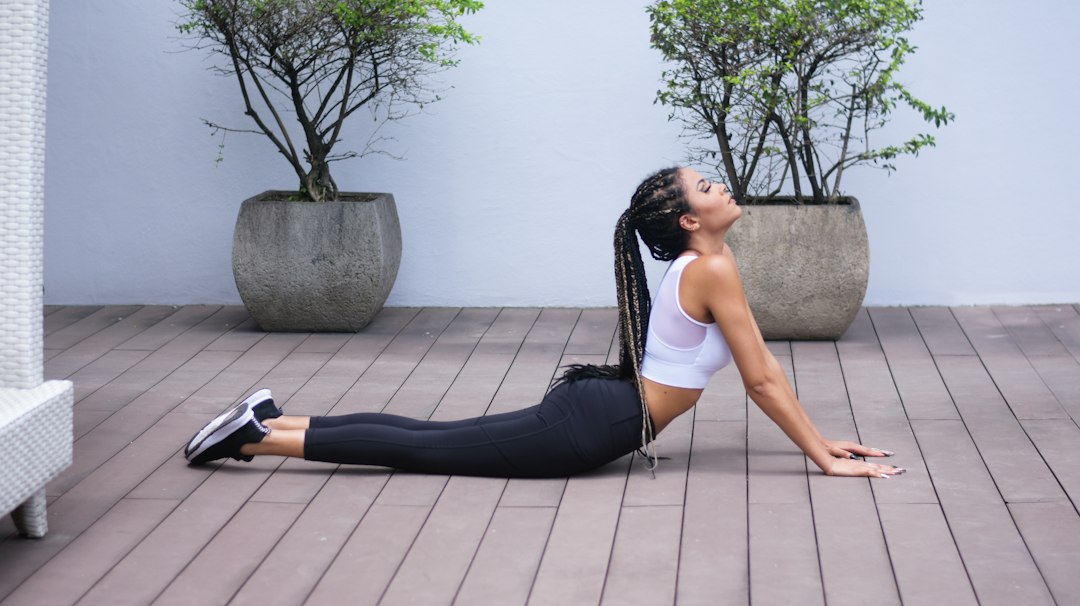
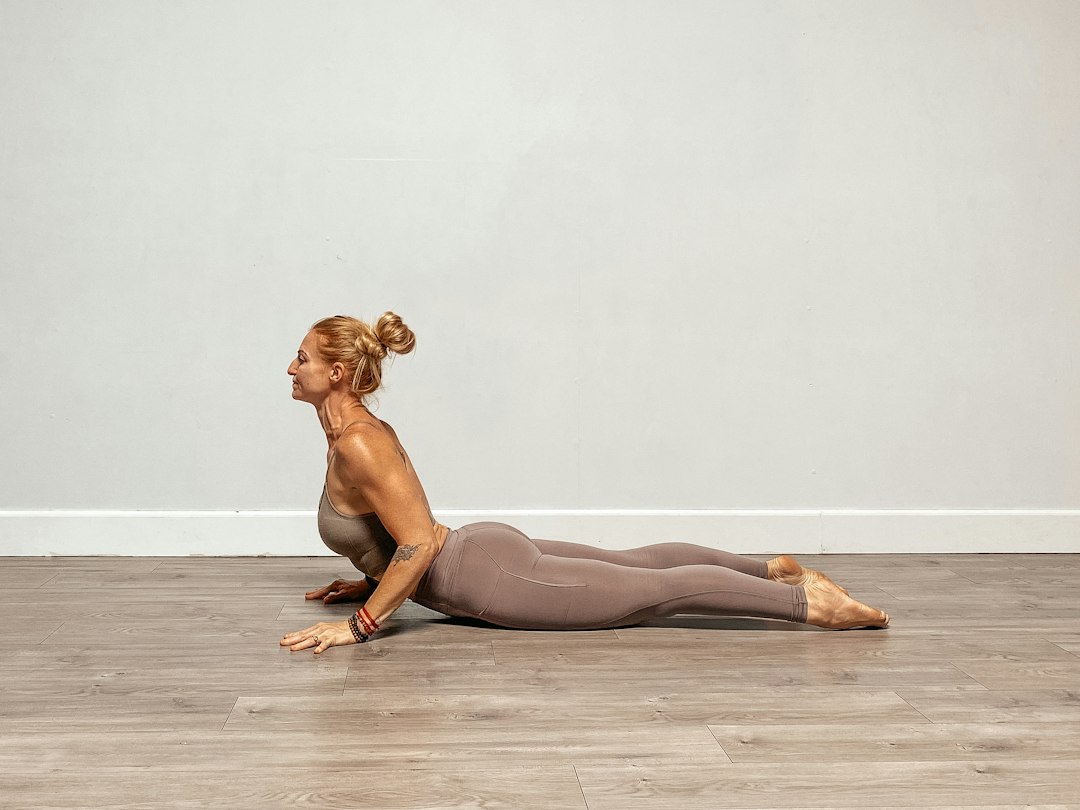
Before anyone spends a dollar, try the zero-dollar version for two weeks. Hang from a bar — my doorway pull-up bar setup guide covers the grip and progression — for thirty to sixty seconds at a time, feet touching the floor for support if you need it. Add a few prone press-ups, that lazy-looking cobra from yoga class that is secretly excellent spinal extension. Both cost nothing and tell you quickly whether traction-type relief works for your back at all.
If hanging is a no-go because of grip or shoulders, a table starts making sense. And if your problem is specifically chair-shaped, a $40 lumbar back stretcher board under your desk chair attacks the same culprit from the other direction. For knot-heavy upper backs, the sixty-dollar yoga wheel that retired my shoulder knot remains undefeated in my house, and posture-aware readers can pair any of this with my posture corrector buying guide so the fixes stick.
The Verdict
Buy the ankles, buy the balance, and treat the gadgets as garnish. If the budget is tight, my honest order of operations is free hangs, then cobra stretches and walks, then a $40 stretcher — and a table only when you know decompression agrees with you. If you already know it does, skip a tier, protect your ankles, and get a machine your future self will still be friends with in year three: the LX9 if the wallet allows, the ITX9900 if it does not. Gravity wins every single day by nine p.m. — but for ten minutes at a time, on a machine chosen well, you get to win one back.