Every October, my phone lights up with the same text from a different client. “Woke up with a scratchy throat. Do I cancel?” Some of them want permission to skip. Most of them want permission not to — they’ve spent months building momentum, and the idea of losing three weeks to a cold feels like watching their progress evaporate. So my coaching team and I built a system for it, the same one I’ve refined over fifteen flu seasons: three lights, one thermometer, and a rule about coming back that saves more fitness than any workout ever will.
Here is the honest truth from someone who once trained through a fever before the Olympic trials qualifier and paid for it with six weeks of mono-like exhaustion: the answer to “should I work out sick?” isn’t yes or no. It’s a conversation with your own body, and cold season is when that conversation matters most.
Three Lights on the Dashboard
I don’t use the vague “listen to your body” advice with clients, because sick brains are terrible listeners — mine included. When you’re congested, everything feels like a reason to quit or a reason to push. So we replaced intuition with a checklist that takes ninety seconds, and we start with the classic coaching question: where are the symptoms?
Green Light: Above the Neck Only
Runny nose, scratchy throat, sneezing, mild headache — symptoms that live above the collarbones. This is the green zone, and research on moderate exercise during common colds has repeatedly shown that light to moderate training doesn’t worsen symptoms or slow recovery. The catch is the word light. Green light doesn’t mean your scheduled interval session. It means 40 to 60 percent of your normal effort, ideally outdoors where the air is cool and moving.

My favorite green-light prescription is a 30-minute walk with a few mobility stops, or an easy bike spin with a heart-rate ceiling. You’re moving lymph, you’re getting daylight (which matters more than ever this time of year), and you’re keeping the habit alive without taxing the immune system that’s currently fighting a war. One of my coaches calls these “maintenance miles” — they don’t build fitness, but they protect everything you’ve already built.
Yellow Light: The Whole-Body Symptoms
The moment symptoms drop below the neck — chest congestion, a hacking cough, body aches, or that heavy malaise where your own arms feel borrowed — the lights change. No training. Not a lighter version, not “just a quick one.” Below-the-neck symptoms are your immune system requesting full resources, and exercise of any real intensity diverts them. Training through yellow-light illness is how a three-day cold becomes a two-week saga, and occasionally how it becomes something cardiac that no PR is worth risking.
Red Light: Fever, Flu, or Anything Systemic
Fever changes the math entirely. Elevated core temperature plus elevated heart rate plus dehydration is a combination your heart does not need you compounding with hill repeats. If the thermometer reads 100.4°F or higher, you’re in bed. Full stop. This is also the light where I insist clients call their doctor rather than text me — chest pain, shortness of breath at rest, dizziness, or symptoms that rebound after improving all belong to a professional, not a fitness plan.
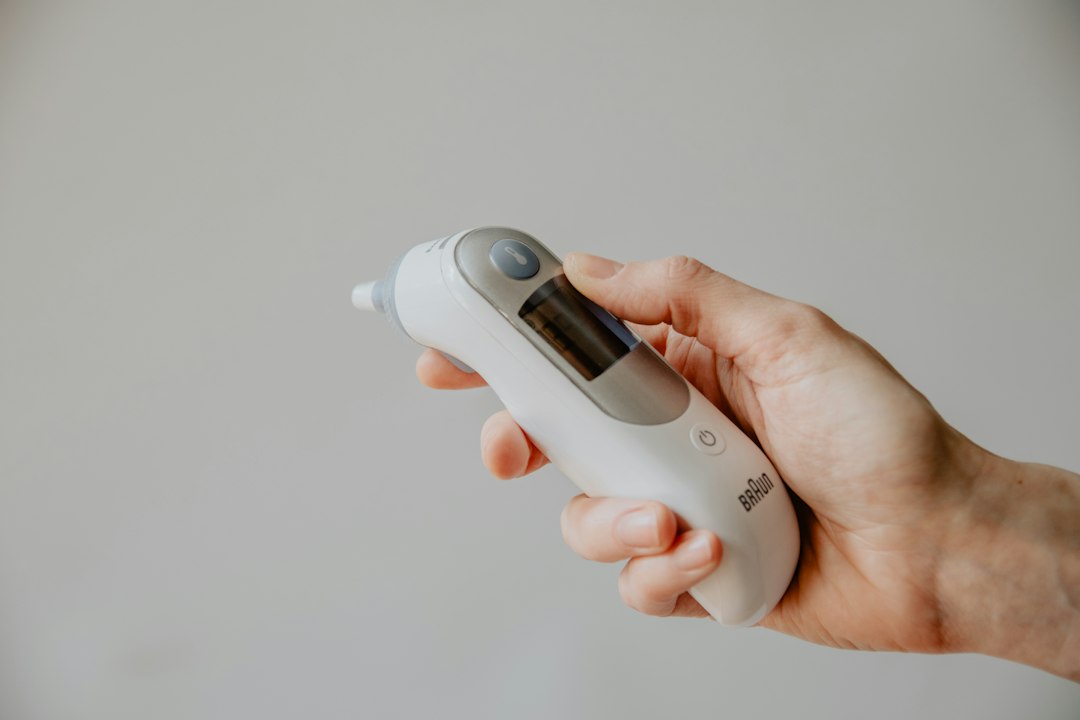
Keep a decent no-touch thermometer in the house before you need it. I like the Goodbaby no-touch forehead thermometer because you can check a fever without waking a sleeping kid, and because October is exactly when the whole household starts trading germs like hockey cards.
The Morning Number That Doesn’t Lie
Once the symptoms fade, most people rush back like nothing happened. That’s the second mistake of cold season. A viral infection can depress your heart rate response and lingering fatigue for days after you feel fine — and the cheapest early-warning system I’ve found is your resting pulse.
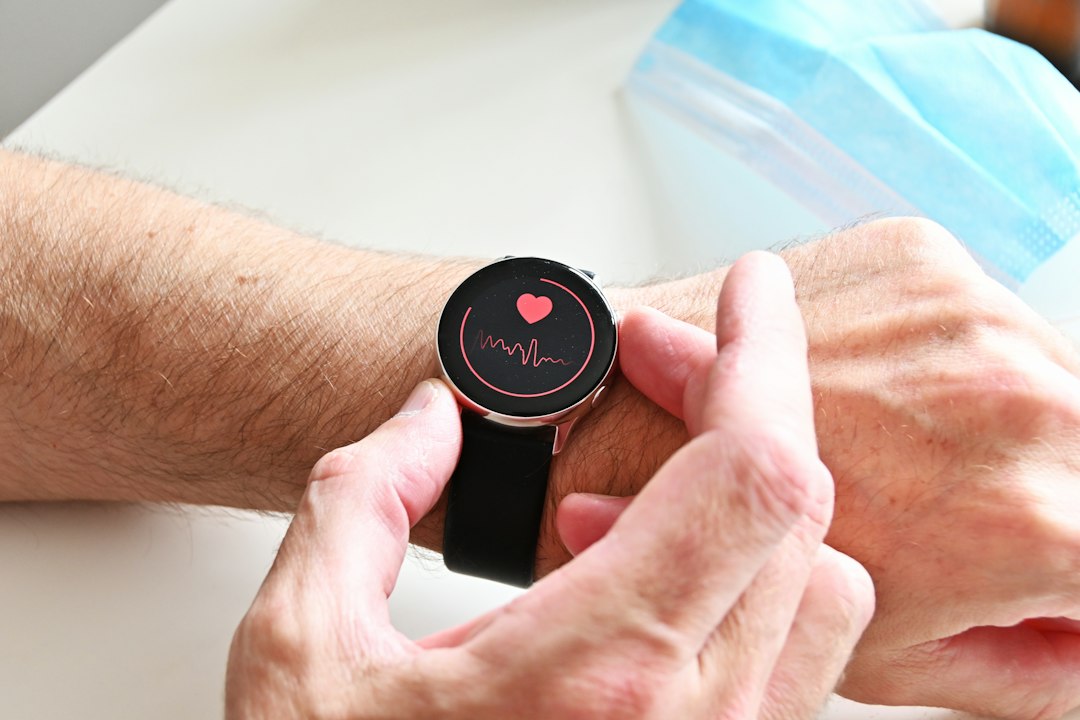
Here’s the protocol I run with clients: log your resting heart rate every morning for two weeks while healthy, so you know your baseline. Mine sits around 52. When you’re coming back from illness, if your morning reading is more than about 8 beats above baseline, your body is still negotiating with something. That’s an automatic rest day, no matter how energetic you feel. For people who want cleaner numbers than a wrist estimate, a chest strap like the Polar H10 is the gold standard — I use mine during every comeback week because it catches the subtle elevation a watch smooths over.
The Return Ramp: Half the Work, Twice the Patience
When the lights are green again, the temptation is to resume exactly where you left off. Don’t. My rule after any illness longer than three days is beautifully boring: first session back at 50 percent of your usual duration and intensity. If that feels fine and the morning pulse is normal the day after, go to 70 percent. Then 85. Then full training by the end of the week. Four easy days beats four forced weeks — I learned that one the hard way in my heptathlon days, when I turned a modest cold into a season-ending crash by jumping straight back into full track sessions.
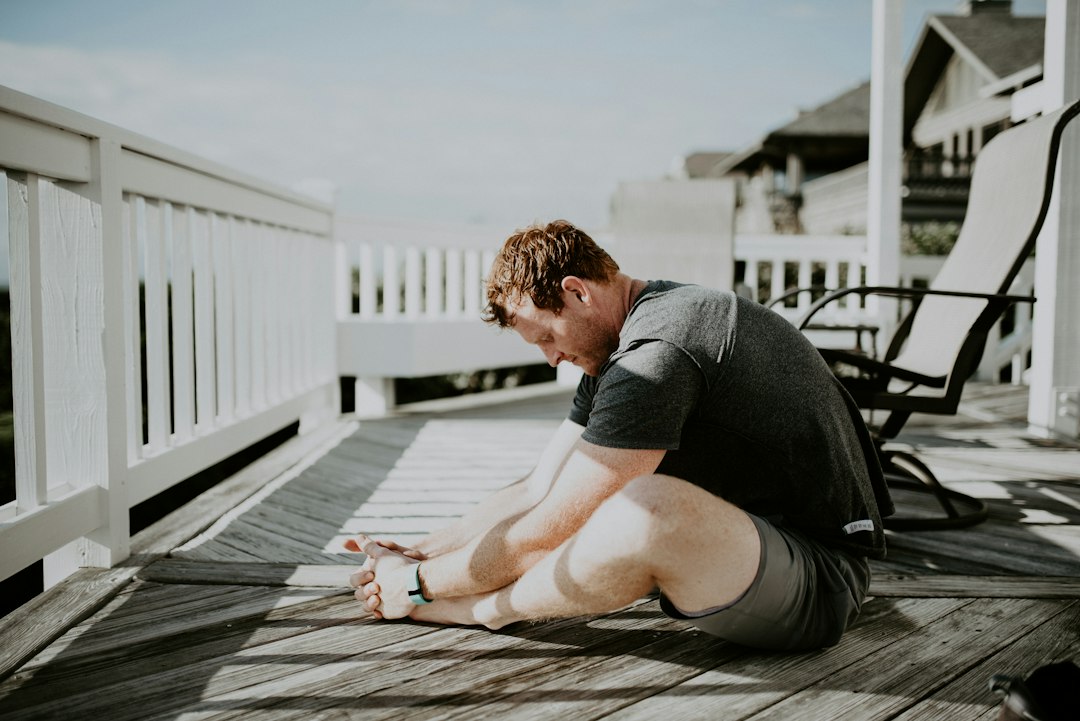
During the ramp, cap your effort by feel, not pace. If you can’t speak a full sentence, you’re above the zone. And if your energy craters mid-session — that unmistakable empty-tank feeling — stop. Your body just told you the ramp needs another day. This isn’t lost time; it’s the fastest safe route back, and it’s the difference between my clients who miss a week and my clients who miss a month.
The Rest-Day Toolkit That Earns Its Shelf Space
I keep a “sick season bin” — honestly, my clients tease me about it — stocked before the first cold hits the house. It’s cheaper and calmer than a panicked 9 p.m. pharmacy run, and with Amazon Prime’s free fast shipping, anything I forget shows up at the door while I’m still in pajamas, which during Big Deal Days week is when I do the annual restock at sale prices.

The bin’s all-stars, in order of impact. A top-fill bedroom humidifier, because dry heated air turns a tolerable sore throat into a sandpaper one overnight and keeps congestion from settling in while you sleep. Extra-strength nasal strips, which look silly and work wonderfully for the congested nights when mouth-breathing wrecks your sleep quality. A saline sinus rinse kit, my first-line defense at the very first sign of stuffiness — it’s unglamorous, it’s seventeen dollars, and my clients who adopt it early swear their colds run shorter.

And then there’s the tea ritual. Fresh ginger, lemon, honey, hot water — I make it before I even check my messages on any scratchy-throat morning. Is it medicine? No. But it’s hydration, warmth, and a moment of asking your body how it’s actually doing, which is most of what sick-day decision-making requires.
Feed the Fight, Not the Guilt
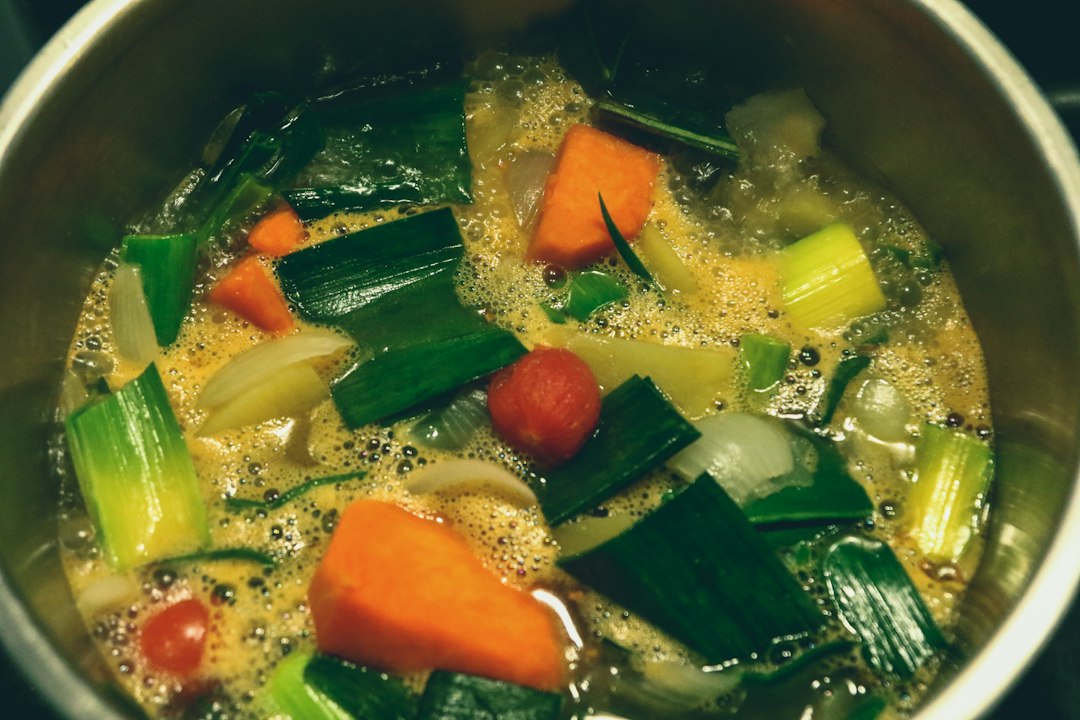
Appetite usually vanishes with illness, and that’s fine for a day or two — but recovery runs on fluid, electrolytes, and eventually real food. This is where I see people under-fuel their comebacks. Broth-based soups aren’t just comfort nostalgia; the fluid, sodium, and easy-to-digest calories are genuinely useful, and a pot of sugar-free electrolyte powder mixed into your water bottle covers the nights when you’re sweating through a fever. I wrote a whole field guide to sweat losses and electrolytes during my miserable August experiment, and the sick-day version of that lesson is simpler: if you’re not peeing pale, drink more.
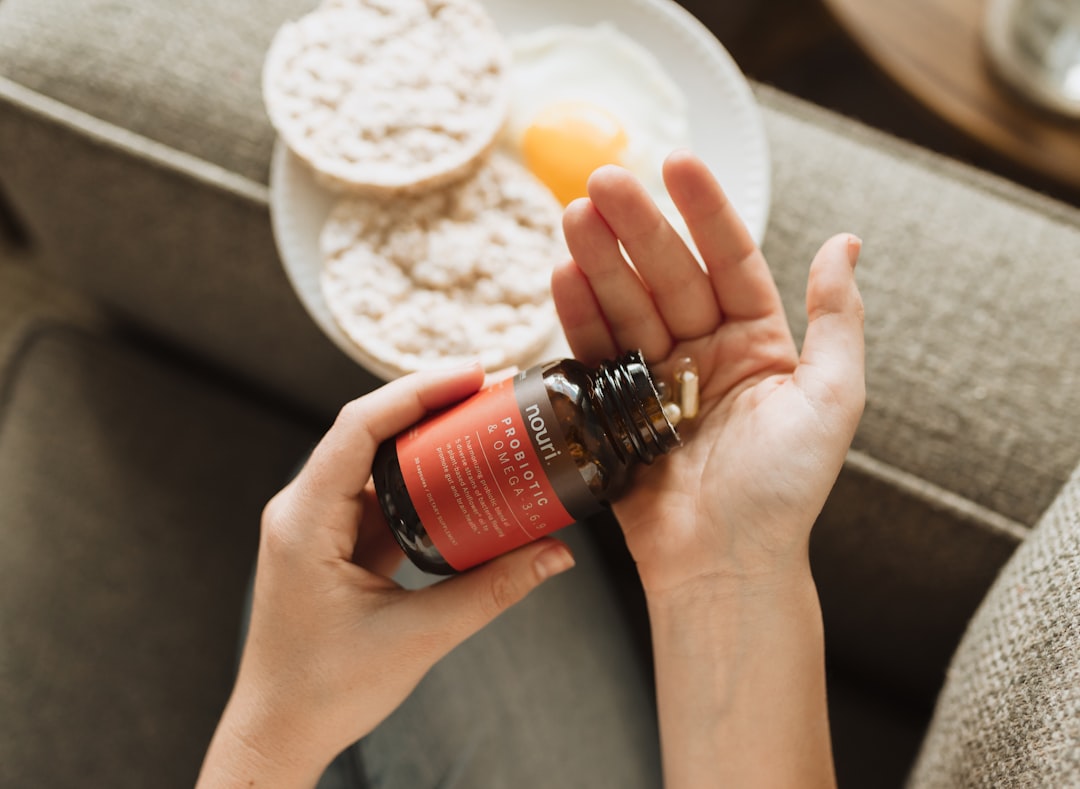
On supplements, I’ll keep this short because I’ve written the full prevention playbook before: zinc lozenges started within the first 24 hours of symptoms are one of the few things with decent evidence for shortening a cold, and elderberry syrup is my clients’ favorite early-intervention ritual. And since daylight is collapsing by two minutes a day right now, this is also when I restart vitamin D drops — I test my level every September, a habit I explained in my autumn vitamin D ritual piece, because the skin stops making it from sunlight across most of the country from now until spring.
Stock the Bin While the Deals Are Live
One bit of housekeeping that pays for itself: Big Deal Days runs through the start of October, and it’s my annual cue to restock the sick-season bin at a discount — humidifiers, thermometers, saline kits, and supplement staples all reliably dip in price this week. If you’re not a Prime member yet, the fast free shipping genuinely changes the calculus during cold season, when you want a humidifier or a thermometer tomorrow, not after a five-day layover; you can check Prime membership here. My rule: buy it before the first sneeze, not during it. The calmest sick days are the prepared ones.
The Season You Don’t Have to Lose
Cold season runs roughly October through March, which means the average adult faces two to four of these decision points every winter. Handled badly — pushing through yellow lights, or lying flat for ten days at the first sniffle — that’s two months of lost training across a winter. Handled well, it’s a handful of gentle weeks stitched between honest rest, and you arrive in spring with your fitness intact and your habits unbroken.
So when the first sneeze of October arrives at your house, skip the guilt spiral. Check the lights. Take the walk if you’re green, take the rest if you’re not, and ramp back with the patience of someone who knows the season is long. Fifteen flu seasons of coaching have taught me that the athletes who win winter aren’t the ones who never get sick — they’re the ones who know exactly what to do the morning they wake up that way.