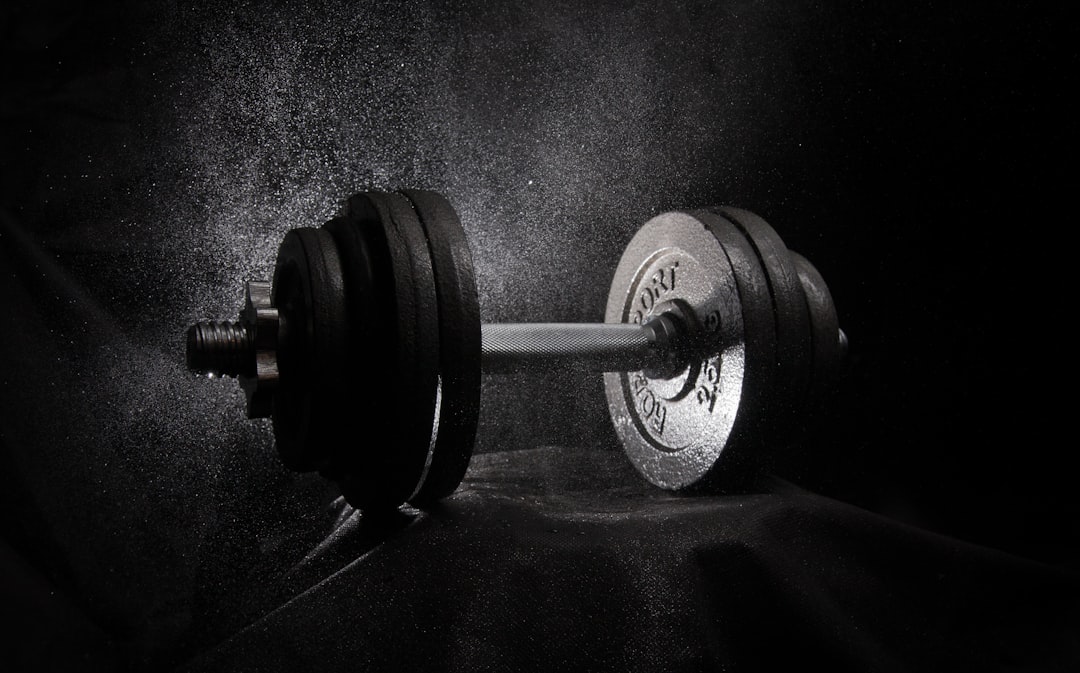
I used to have a weight rack that dominated an entire wall of my spare bedroom. Fourteen pairs of dumbbells, from 5-pound lightweights up to a pair of 50s that I’m fairly certain were gradually sinking my floor joists. My husband tripped over them at least twice a week. The dog refused to walk past them. And every time I needed to grab a different weight mid-circuit, I was walking six feet, picking up iron, walking back, and losing my heart rate in the process.
Then I tried my first pair of adjustable dumbbells, and within three weeks, that entire rack was on Facebook Marketplace.
What surprised me wasn’t just the space savings — though that was genuinely transformative. It was how quickly the technology had evolved beyond simple weight-selection mechanisms into something that actually coaches you. The newest generation of adjustable dumbbells tracks your reps, corrects your form, syncs with your phone, and in some cases, literally adjusts the weight for you. After spending three months testing the best options on the market — with help from my coaching team, who put each set through our standard battery of workouts — I’m convinced we’re watching the most significant shift in home fitness equipment since the treadmill went digital.
The Mechanical to Digital Leap
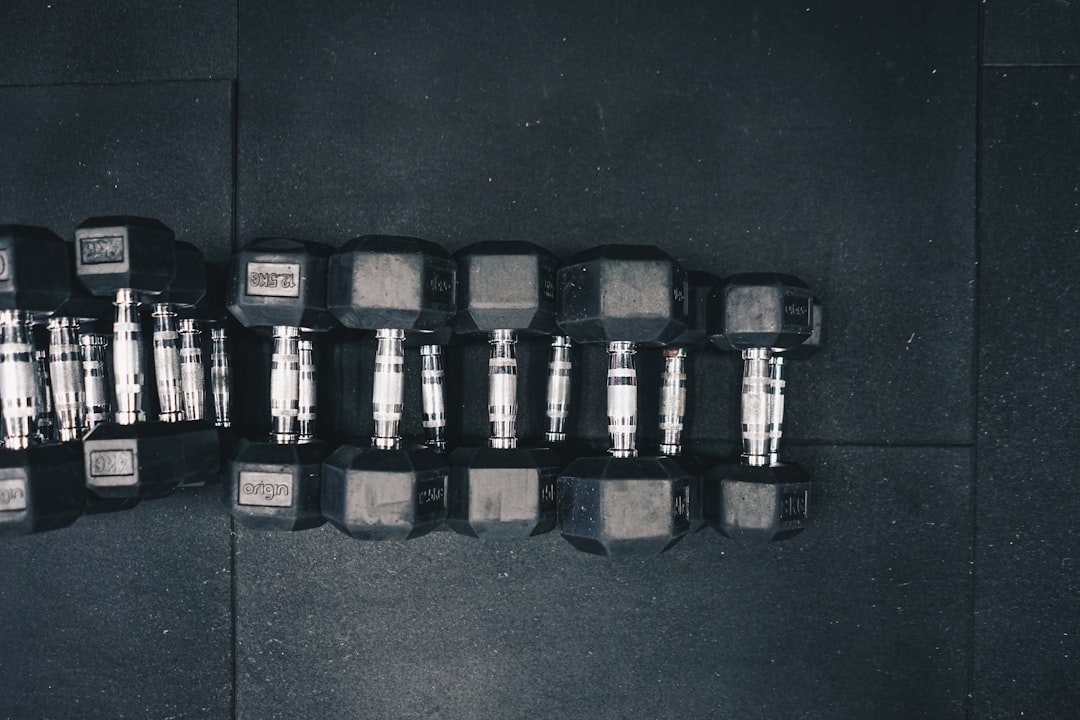
The first adjustable dumbbells were essentially clever mechanical puzzles. You’d twist a dial, slide a pin, or flip a lever, and the mechanism would grab the plates you needed from a cradle. Bowflex practically built their home fitness empire on this concept with the SelectTech 552 system, which lets you dial from 5 to 52.5 pounds per hand in 2.5-pound increments. I’ve had a pair in my studio for going on four years now, and they still work flawlessly — that dial mechanism has survived being dropped, kicked, and once accidentally used as a doorstop during a renovation project.
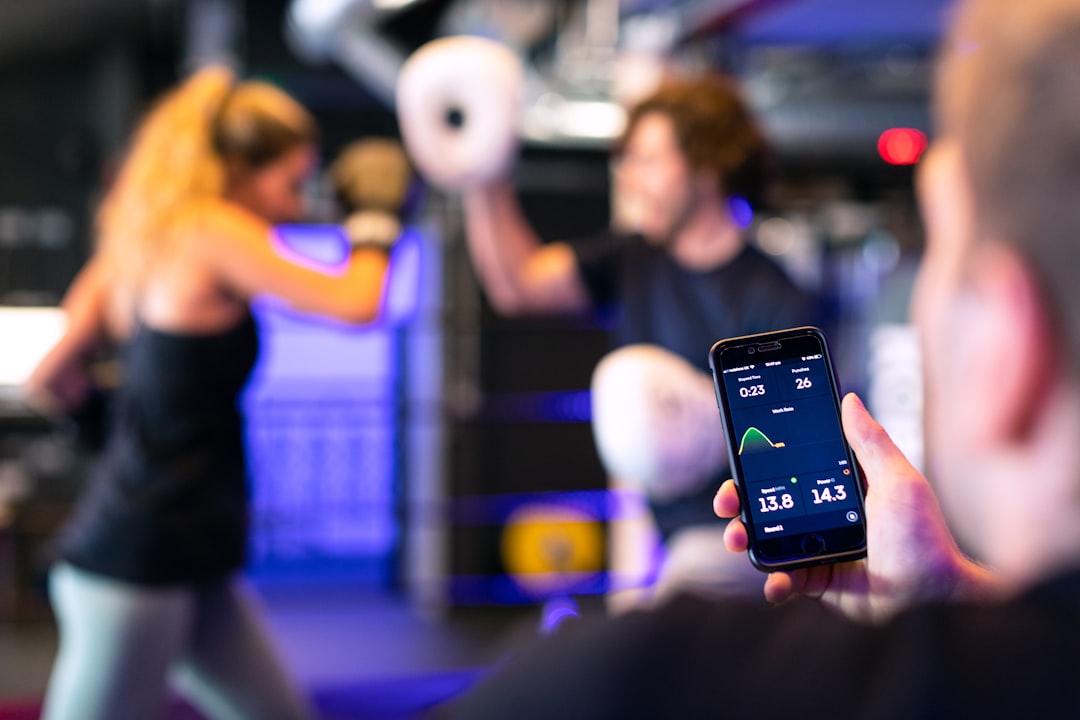
But here’s what changed in 2026: the mechanical dial is no longer the ceiling. Companies have started embedding sensors, accelerometers, and even AI-driven cameras into the handles and cradles. The Gorilla Bells Smart Adjustable Dumbbells represent the most dramatic leap I’ve tested — they auto-adjust from 5 to 60 pounds per hand with a tap on the companion app, track every rep in real time, and offer form guidance through your phone’s camera. It’s like having a personal trainer embedded in the handle.
For someone who’s been coaching for over a decade, the rep tracking alone solves a problem I didn’t realize was so pervasive. Almost every client I’ve ever trained under-reports their work volume — not dishonestly, but because counting while exhausted is surprisingly hard. When the dumbbell does it for you, your training log becomes something you can actually trust.
What Actually Matters When You’re Choosing
After running seven different models through our testing protocol — which included everything from standard strength circuits to AMRAP conditioning sessions and heavy hypertrophy days — three factors separated the great from the merely acceptable.
Weight range matters more than max weight. A common mistake is buying the heaviest set available and assuming that covers everything. But if your adjustable dumbbell starts at 15 pounds, you’ve just eliminated every single-arm isolation exercise, every warm-up series, and most physical therapy movements. The best sets I tested start at 5 pounds or lighter and scale up smoothly. The Smart Dumbbell with Speaking Display caught my attention here — it offers voice-guided coaching and a 5-in-1 system that adapts from beginner through advanced training, making it one of the most versatile entry points I’ve seen.
Adjustment speed dictates your workout flow. If changing weights takes more than five seconds, you’re going to skip it. You’ll grab a weight that’s too heavy for your lateral raises and too light for your goblet squats, and your training quality drops. The dial systems take about three seconds per hand. The auto-adjusting smart systems can do it in under two. The manual plate-loading designs — which some companies still sell — can take thirty seconds or more, and frankly, I don’t understand why anyone buys them in 2026.
The cradle design determines longevity. This is the unsexy part nobody talks about, but after watching three different clients break their cradles within a year, I started paying close attention. Look for reinforced contact points, a wide base, and a mechanism that doesn’t rely on tiny plastic tabs. The 2026 Updated Adjustable Dumbbell Set solved this with a redesigned storage box that doubles as the adjustment tray — it’s one of the more robust cradle designs I’ve tested under $200.
The Space Math That Changes Everything
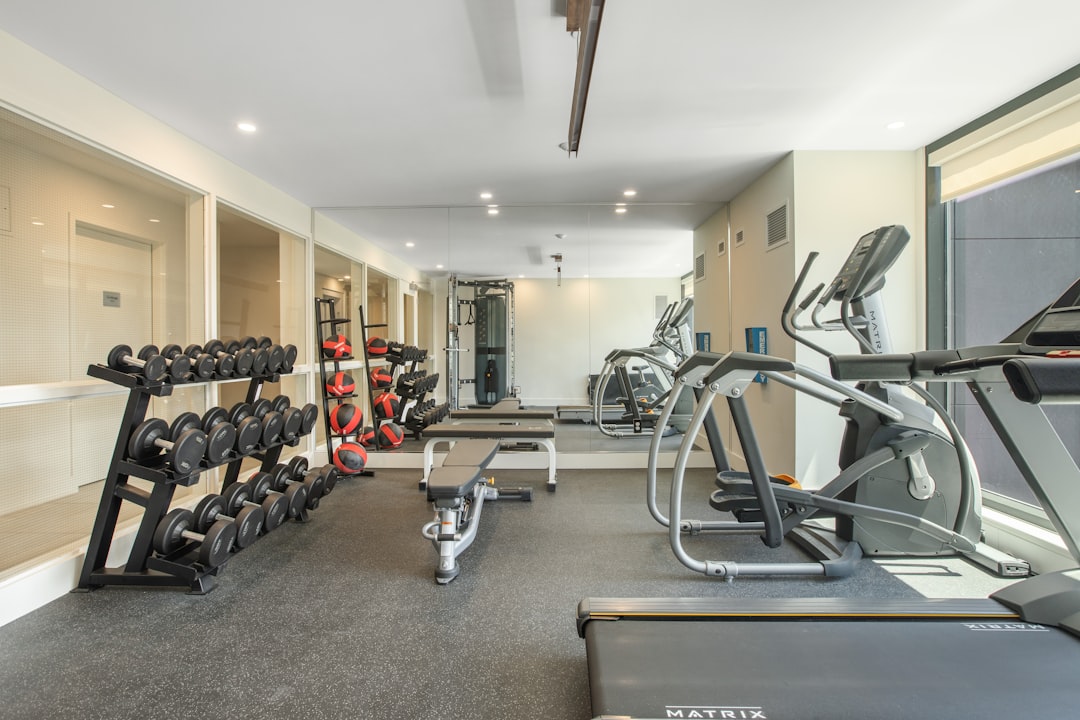
Here’s where I get genuinely excited, because the practical impact of switching to adjustable dumbbells is almost hard to overstate. My old 14-pair rack occupied 9 feet of wall space and roughly 18 square feet of floor area. My current setup — a pair of smart adjustable dumbbells in their cradle — occupies roughly 2 square feet. That’s not a marginal improvement. That’s the difference between dedicating a room to fitness and fitting a complete strength training setup into the corner of your living room.
I’ve written before about building an elite training corner in six square feet, and adjustable dumbbells are the foundation of that entire philosophy. When your weights, bench, and recovery tools all fold, stack, or tuck away, your home gym stops competing with your life for square footage.
This is also why I’ve been recommending adjustable dumbbells to my apartment-dwelling clients without hesitation. One of my clients, a 34-year-old graphic designer in Brooklyn, went from zero home equipment to a complete strength setup that lives in her closet. Her exact configuration: a pair of adjustable dumbbells, a foldable bench, a set of resistance bands for warm-ups and mobility work, and a foam roller. Total footprint when not in use: about 4 square feet of closet floor.
Building Your Complete Setup
Adjustable dumbbells are the centerpiece, but they work best as part of a small, intentional ecosystem. Here’s what my testing team and I have settled on after months of mixing and matching.
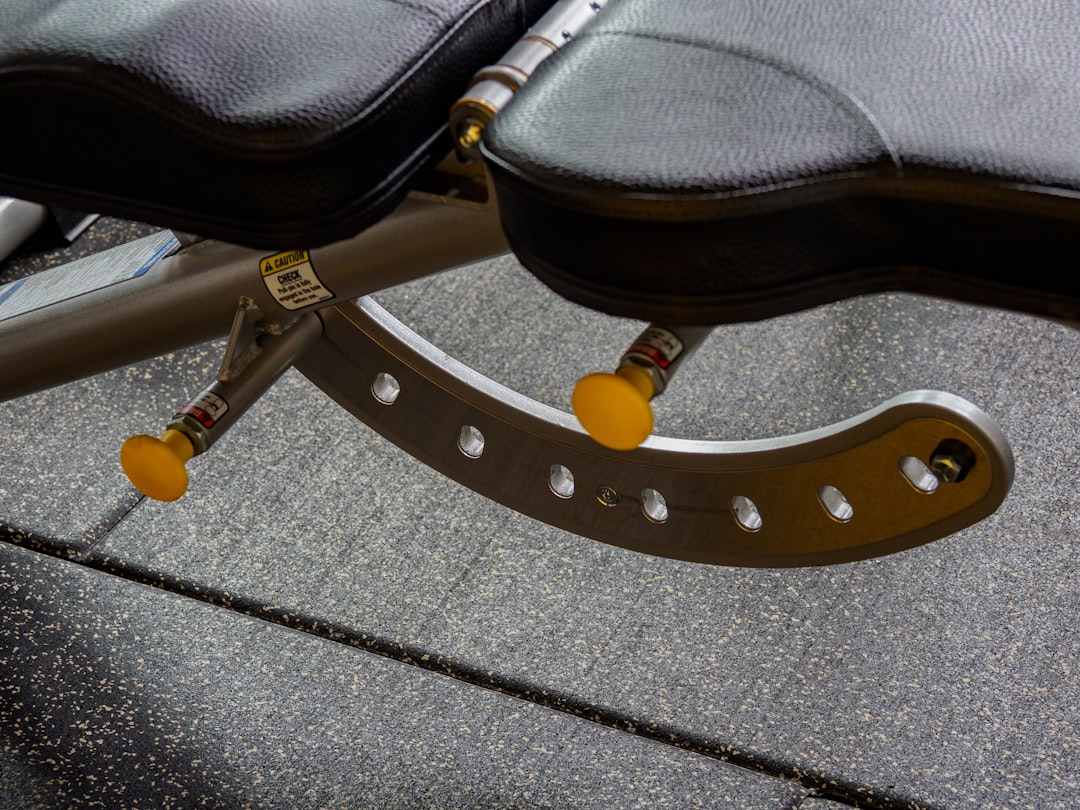
The bench you need. A foldable adjustable bench gives you incline, flat, and decline positions for the price of a single piece of furniture that disappears under a bed when you’re done. The YOOLEO Adjustable Weight Bench has been our testing favorite — 827-pound capacity, 98% pre-assembled, and it folds flat enough to slide under most couches. Pair it with your adjustable dumbbells and you’ve suddenly got coverage for chest presses, rows, step-ups, Bulgarian split squats, and about forty other movements.
The kettlebell that doesn’t need a shelf. If you’ve ever done kettlebell swings in your living room, you know the appeal. The Bowflex SelectTech 840 Adjustable Kettlebell adjusts from 8 to 40 pounds with a turn of a dial, replacing six individual kettlebells. I use mine for swings, goblet squats, Turkish get-ups, and the occasional Farmer’s carry when I’m feeling ambitious. It’s the perfect complement to dumbbells because it fills the explosive-power gap that dumbbells can’t quite cover.
Bands for the in-between work. Resistance bands handle the things weights can’t — dynamic warm-ups, mobility drills, pull-aparts for shoulder health, and accessory work at the end of a session when you’re too spent for another heavy set. I’ve written a complete guide to the best resistance bands after testing dozens of sets, but if you want a quick recommendation, the HPYGN Resistance Bands with door anchor give you handles, ankle straps, and a door attachment that turns any doorframe into a cable station.
And if you’re working with a truly minimal budget, the Mouldbody Adjustable Dumbbell Set comes in at under $150 for a pair that goes up to 50 pounds. Is it as refined as the smart options? No. Will it give you 90% of the training benefit for 25% of the cost? Absolutely. I’ve had a client use these for six months straight with zero mechanical issues.
The Recovery Side Nobody Mentions
Here’s something I’ve learned the hard way after two decades of training: the quality of your workout is ultimately determined by the quality of your recovery. I’ve seen clients build beautiful home gyms and then wonder why they’re perpetually sore, stiff, and plateauing. The answer is almost always that they spent their entire budget on the workout side and nothing on the recovery side.
At minimum, you need a foam roller and ten minutes after each session. The TriggerPoint Grid 1.0 Foam Roller has been in my gym bag for five years — it’s a multi-density design that hits different tissue layers depending on how much pressure you apply. Use it on your thoracic spine after pressing days, on your quads after squats, and on your lats whenever they feel locked up.
I also reference the work I did on grip strength as a longevity metric regularly, because adjustable dumbbells give you an incredible opportunity to train grip progressively. Start with lighter weights and farmer’s carries, then build up. Your hands and forearms will thank you for decades.
The Smart Dumbbell Ecosystem Worth Watching
The category I’m most excited about for the back half of 2026 is the all-in-one smart gym that builds adjustable dumbbells into a larger cable and digital coaching system. The INNODIGYM P1 Lite exemplifies this direction — it’s a wall-mounted unit that provides up to 133 pounds of adjustable digital resistance through a cable system, effectively turning your adjustable dumbbell investment into a full cable machine with four training modes and a companion app that tracks everything.
What I find compelling about this direction is that it solves the last remaining gap in home strength training: eccentric loading. Traditional dumbbells are limited by what you can lift concentrically. Cable systems with digital resistance can create variable resistance profiles that overload the eccentric phase — something that was previously only possible with a spotter or specialized gym equipment. For anyone serious about hypertrophy, this is the bridge between home training and gym-quality results.
My Honest Take After Three Months
I’m not going to pretend every adjustable dumbbell on the market is worth buying. I tested two sets that had adjustment mechanisms so stiff I actually pinched my thumb, and one budget option that started rattling after three weeks of regular use. The category still has growing pains.
But the best options — the ones I’ve linked throughout this article — are genuinely transformative. My personal setup right now is a pair of smart adjustable dumbbells, a foldable bench, a SelectTech kettlebell, a set of resistance bands, and a foam roller. Total equipment cost: under $900. Total footprint when not in use: the corner of a closet. Training quality compared to my old gym membership: honestly, better, because I’m not wasting time driving, waiting for equipment, or forgetting which weight I used last week.
The weight rack is gone. My dog can walk through the spare bedroom again. And I’m stronger now than I was when I had fourteen pairs of dumbbells staring at me from the wall. Sometimes less really is more — especially when the less is smarter, more compact, and quietly counting every rep you complete.



6 Comments on “The Dumbbell Rack Is Dead: Why Smart Adjustable Weights Replaced My Entire Wall of Iron”